
Vegetables
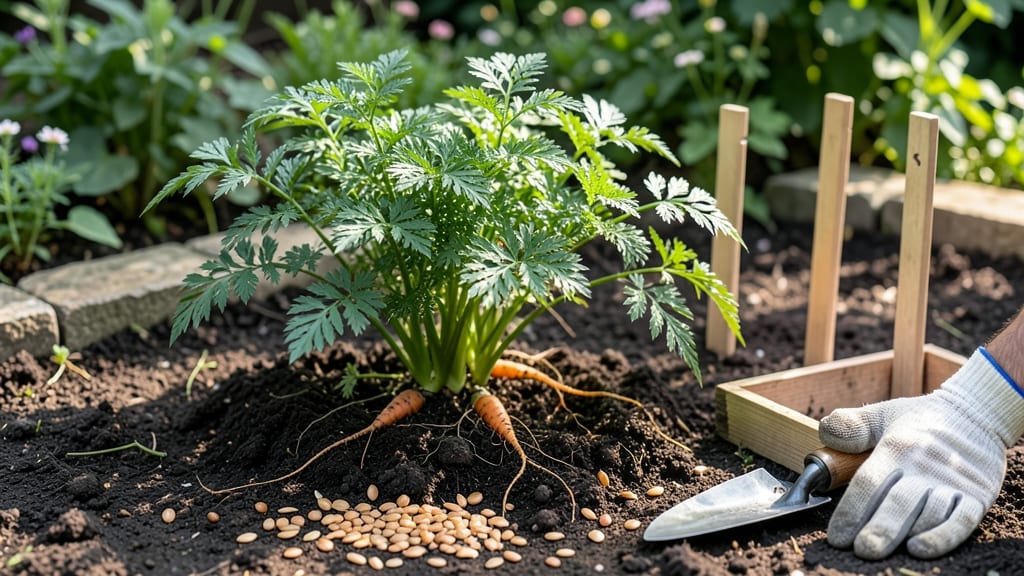
Planting carrots in North Carolina at the right time means fast germination and sweet, tender roots—soil temperature is the game-changer most gardeners miss.
Carrots thrive in North Carolina’s mild winters and warm springs, but plant them too early or too late, and you’ll end up with slow germination or bitter-tasting roots. Timing is everything, and soil temperature is the secret trigger most gardeners overlook.
In USDA Zones 7a-8b, your best window is February through April for a spring harvest or July through August for fall. But don’t just pick a month—check the soil first. Carrots need it to be at least 50°F to sprout, and anything above 85°F can stress the seeds.
Below, I’ll break down the exact soil temp triggers, regional tweaks for Coastal, Piedmont, and Mountain zones, and how to stretch your harvest with succession planting—so you’re pulling crisp, flavorful carrots from May through November.
North Carolina carrot planting calendar: ideal months by soil temperature
North Carolina’s diverse climate—from the humid Coastal Plain to the cooler Mountains—means your carrot planting timeline should adapt to local soil temperatures and microclimates. Carrot seeds need soil between 50°F and 85°F to germinate reliably, but timing varies by region.
Get it wrong, and you’ll face slow sprouts or stunted roots. Let’s break it down by zone so you can plant with confidence.
In the Coastal Plain (USDA Zones 8a-8b), where winters are milder, you can start as early as January under row covers. The Piedmont (Zones 7a-7b) plays catch-up, with ideal planting from mid-February to April.
Meanwhile, Mountain regions (Zones 6a-7a) wait until late March to May to avoid frost damage. Each zone’s soil warms at different rates, so knowing your last frost date is just the first step.
Here’s your NC carrot planting calendar by region, with soil temperature triggers and harvest windows tailored to your location:
For a continuous harvest, plant carrots in succession every 2–3 weeks during your region’s ideal window. In the Coastal Plain, you can even squeeze in a late-summer planting (July) for a fall harvest before frost.
The key is monitoring soil temperature—not just air temperature—since cold soil delays germination by weeks.
If you’re in the Piedmont, aim to plant your first batch by mid-February when soil hits 50°F. Use a soil thermometer to check: stick it 1–2 inches deep (where seeds will be) in the morning.
If it’s below 50°F, wait or use a cold frame. In the Mountains, don’t rush—soil warms slower, and planting too early can lead to rot-prone seeds.
Fall plantings work best in July or early August across all regions, targeting a harvest before the first frost (typically mid-November). For the Coastal Plain, this might mean a late-October harvest, while Mountain gardeners should aim for early October to beat frost.
Always plant 4–6 weeks before your expected frost date for a reliable crop.
Pro tip: Loosen soil before planting—carrots need 12–18 inches of depth to grow straight. In heavy clay soils (common in the Piedmont), mix in compost or sand to prevent forking.
And if your soil stays above 85°F for long, carrots may bolt or develop bitter flavors. Provide afternoon shade in extreme heat.
For year-round harvests, combine spring and fall plantings with succession sowing. In the Coastal Plain, you might plant every 3 weeks from February to July, while Mountain gardeners focus on March–May and July.
Just remember: soil temperature rules apply to both seasons—don’t let air temp fool you!
🌱
How to test soil temperature for carrots (and avoid common mistakes)
Testing soil temperature is the best way to ensure your carrot seeds germinate quickly and grow strong in North Carolina’s variable climate. Carrots need soil between 50°F and 85°F to sprout reliably, but many gardeners make mistakes that delay germination or lead to poor growth.
I’ll walk you through the right way to measure soil temperature—including when to check and how to adjust for NC’s humidity—so you can avoid those common pitfalls.
Most gardeners grab their thermometer in the afternoon, but that’s a big mistake. Soil temperatures fluctuate throughout the day, and an afternoon reading can be misleadingly high.
Instead, test your soil’s temperature in the morning, between 9 AM and 11 AM, when it’s closest to the average daily temperature. This is when your carrot seeds will experience the conditions they’ll grow in for most of the day.
Here’s how to do it right: Use a soil thermometer (not an air thermometer) and insert the probe about 1 inch deep—the same depth you’ll plant your seeds. Hold it there for 30 seconds to get an accurate reading.
If the temperature is below 50°F, your seeds may rot or take weeks to sprout. If it’s above 85°F, germination speeds up but can lead to leggy, weak seedlings.
⚠️ Warning: NC Humidity Tricks Soil Temps!
North Carolina’s high humidity can make soil feel cooler than it actually is. If your thermometer reads 55°F but your seeds aren’t sprouting, the real temperature might be 5°F lower due to moisture retention. Wait until soil hits 58°F consistently before planting in humid areas like the Coastal Plain.
If your soil is too cold, don’t rush planting—wait for warmer temps. You can speed things up by covering the soil with black plastic mulch for a few days to absorb sunlight and raise the temperature.
For organic gardeners, try mixing in compost or aged manure to warm the soil naturally. Just avoid fresh manure, which can burn seeds and raise soil temps too quickly.
Another common mistake? Planting seeds too deep. Carrots need to be sown just ¼ inch deep in loose, well-drained soil. If the soil is compacted or cold, seeds planted deeper than this may struggle to break through.
Loosen the top 2 inches of soil with a rake or fork before planting, and consider adding sand or perlite to improve drainage in heavy clay soils common in NC’s Piedmont region.
Slow germination is often a sign of cold soil or improper depth, but it can also mean old seeds. Test your seeds by soaking a few in water—if they float, they’re likely too old.
For faster results, soak seeds in warm water for 24 hours before planting, then sow them in pre-warmed soil. Just be sure to rinse them well afterward to avoid overhydration.
Once your seeds sprout, keep the soil consistently moist but not soggy. Carrots are sensitive to drought stress, which can cause roots to fork or split. Use a drip irrigation system or water gently in the morning to avoid disturbing the soil.
With the right soil temperature and care, you’ll have crisp, sweet carrots ready to harvest in just 60-70 days!