
Vegetables
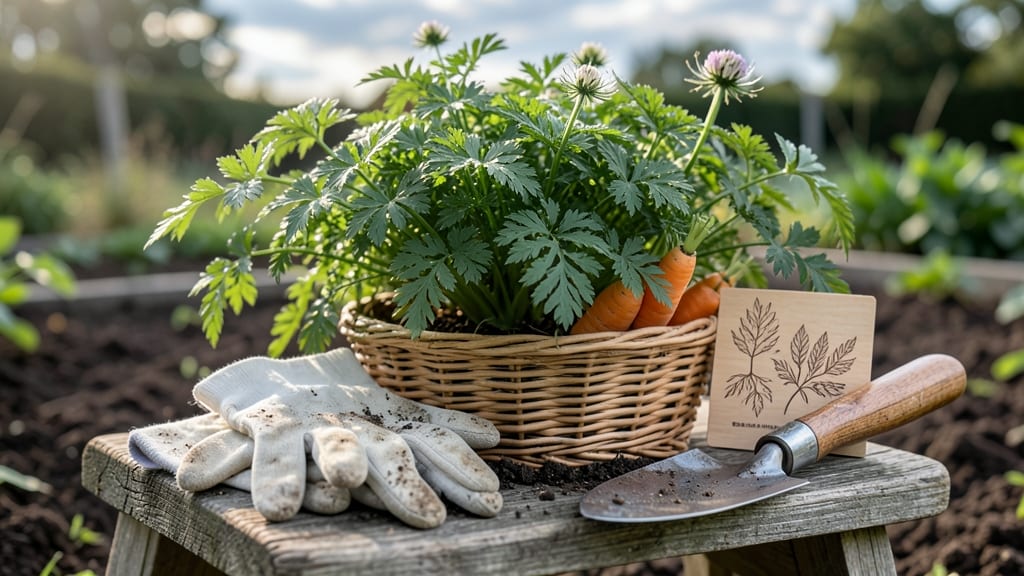
How long do carrots take before harvest? The answer depends on the variety and growing conditions—typically between 60 and 85 days—but patience pays off for sweeter, more tender roots.
You might be eager to dig up those bright orange roots, but rushing the process can leave you with small, tough carrots instead of the tender, flavorful ones you’re after.
The truth is, timing isn’t just about days—it’s about watching for the right visual cues, like leaf size and root firmness, to know when they’re truly ready.
Fast-maturing varieties like Paris Market can be harvested in as little as 55 days, while standard types like Danvers or Chantenay take closer to 70-85 days. Soil type plays a role too: loose, well-drained soil speeds up growth, while compacted or rocky soil can slow it down.
In this guide, I’ll break down the exact harvest windows for popular varieties, how to tell when your carrots are ready, and how to adjust your growing conditions for the fastest results. No more guessing—just crisp, perfect carrots when you need them.


Carrot harvest times by variety: fastest to longest growing types
Not all carrots mature at the same speed—some varieties reach harvest in as little as 50 days, while others take 90 days or more. The key is choosing the right type for your season and goals.
Early varieties give quick rewards, while longer-season types extend your harvest into fall. Let’s break down the fastest-growing to longest-maturing options so you can plan your garden for a steady supply.
For fast harvests, focus on short-season varieties like Paris Market or Little Finger, which deliver baby carrots in 50-60 days. These are perfect for early spring or late summer plantings when you need quick results.
If you’re aiming for a longer harvest window, varieties like Danvers or Nantes mature in 70-80 days, giving you time to enjoy them fresh or store them for later.
If you’re growing for early spring harvests, prioritize Paris Market or Little Finger—they thrive in cool weather and deliver tender baby carrots in just 60 days.
For summer and fall, Nantes or Danvers are ideal—they mature in 70-80 days and handle warmer temperatures better. Chantenay is my go-to for rocky or shallow soil because its short, stout shape grows well even in tough conditions.
For longer storage, Danvers and Nantes varieties store best in a cool, dark place for up to 6 months. If you’re aiming for market-quality carrots, Imperator is the gold standard—its long, straight roots take 80-90 days but are worth the wait for perfect texture and sweet flavor.
Always check your seed packet for exact days, as growing conditions can shift timelines by 5-10 days.
Pro tip: Plant succession crops every 2-3 weeks to stagger harvests. Start with fast varieties like Paris Market, then follow with Nantes or Danvers for a continuous supply all season. This works especially well in containers or small gardens where space is limited.
One common mistake? Assuming all carrots take the same time. Short varieties like Little Finger mature in half the time of Imperator, so don’t pull them too early—wait until the shoulders are visible above soil.
For rocky soil, Chantenay is your best bet; its short, blunt shape avoids forking and grows faster in compacted areas.
Remember, soil temperature plays a huge role. Carrots grow best in 55-85
How soil type and conditions affect carrot harvest speed
Your carrots’ growth speed isn’t just about days on the calendar—it’s a direct reflection of your soil type and conditions. Loose, sandy soil lets roots spread quickly, while tight clay or rocky soil can slow growth by 30-50%.
Even the moisture balance and temperature play critical roles in how fast you’ll pull those crisp roots from the ground.
I’ve seen Paris Market carrots mature in just 50 days in well-amended sandy loam, while the same variety took 75 days in heavy clay. The difference? Soil structure, organic matter, and drainage. Let’s break down how to optimize your garden’s conditions for faster harvests.
Clay soil can trap moisture and restrict root growth, adding 2-3 weeks to your harvest time. Test your soil’s texture and drainage—if water pools after 6 hours, amend immediately with compost or sand.
Rocky soil forces roots to grow around obstacles, creating forked or stunted carrots. Loosen the top 12 inches of soil before planting to prevent this.
Start with a soil test to identify your garden’s composition. Sandy soil drains too fast and needs organic matter (like compost or aged manure) to retain moisture. Clay soil, on the other hand, benefits from gypsum or coarse sand to improve aeration.
Aim for a loamy texture—halfway between sand and clay—for ideal carrot growth.
Temperature also impacts speed. Carrots thrive in 60-70°F soil. If your climate swings above 80°F, growth slows dramatically. Use shade cloth during peak summer heat or plant in early spring or fall for faster maturation. Mulch with straw to keep soil temps stable and roots growing steadily.
Spacing matters too! Crowded carrots compete for nutrients, slowing growth by 10-15 days. Thin seedlings to 2-3 inches apart when they’re 2 inches tall. This reduces stress on roots and speeds up bulking. Pair with companion plants like onions or leeks—they deter pests and improve soil structure naturally.
Finally, monitor moisture levels. Carrots need consistent watering—never soggy, never dry. Use a moisture meter to aim for 60% soil moisture. Drip irrigation keeps roots evenly hydrated without surface evaporation, cutting harvest time by 5-7 days compared to overhead watering.
With the right soil prep, you can shave weeks off your harvest timeline. Start by testing your soil, amend as needed, and keep conditions ideal. Soon, you’ll be pulling tender, straight carrots in record time—no waiting required! 🥕