
Plants
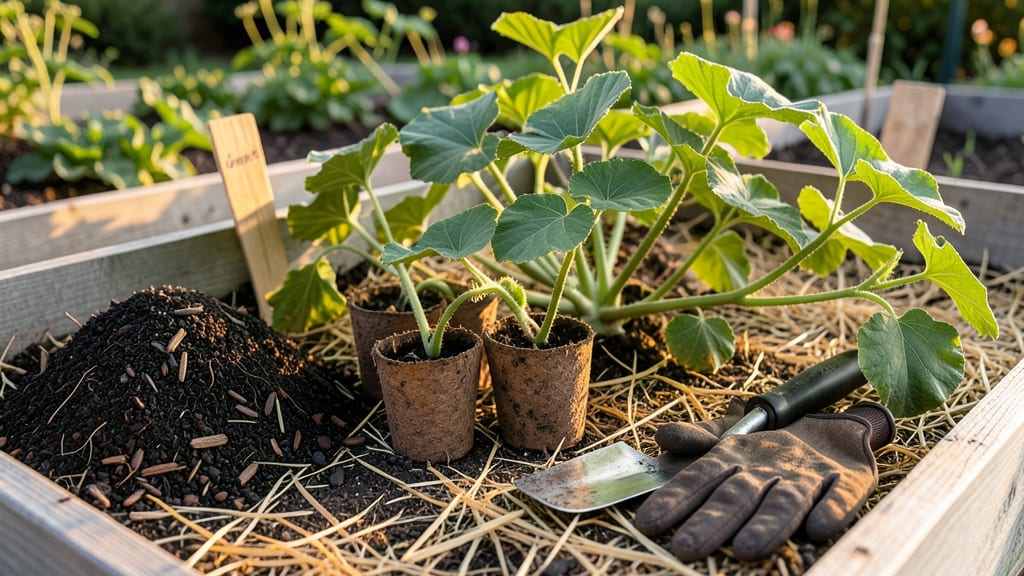
To plant pumpkins in North Carolina, aim for mid-April to early June after the last frost or late June to early July for a fall harvest — timing that turns your garden into a 🎃-filled success story.
Picture this: you’ve spent weeks preparing your soil, but a late frost wipes out your seedlings overnight. Or worse, you plant too late and your pumpkins never mature before the first frost.
These mistakes happen more often than you’d think, especially across North Carolina’s varied zones from the mountains to the coast.
Whether you’re growing giant jack-o’-lanterns or small sugar pumpkins, the key is matching your planting window to your specific USDA zone (like 7a-8b) and soil conditions.
Get it right, and you’ll enjoy a bountiful harvest by late September or October. Get it wrong, and you’re left with sad, stunted vines.
In this guide, I’ll break down the exact planting schedule by zone, soil prep tips, and how to adjust for North Carolina’s microclimates. You’ll learn when to start seeds indoors, how to space your plants for maximum growth, and the three critical mistakes that ruin harvests every year.
North Carolina pumpkin planting calendar by USDA zone (with exact months)
North Carolina’s USDA zones 5a through 8b offer diverse growing conditions, but pumpkins thrive best when planted at the right time. Whether you’re growing summer squash or winter storage varieties, timing your plantings to avoid frost and maximize daylight is key.
Below is the exact month-by-month planting schedule tailored to each zone, including soil temperature requirements and transplanting windows.
For direct sowing, wait until soil temperatures reach 60°F (15°C)—this prevents cold soil from slowing germination. In cooler zones like 5a and 6a, start seeds indoors 4-6 weeks before your last frost date.
In warmer zones like 7b-8b, you can plant directly outdoors as early as late March for a fall harvest.
Pumpkins need 90-120 frost-free days to mature, so adjust your planting window based on your zone’s first frost date.
For example, in zone 7a, you’ll want to plant by mid-May for a late September harvest, while in zone 8b, you can push it to early June for a harvest in October.