
Plants
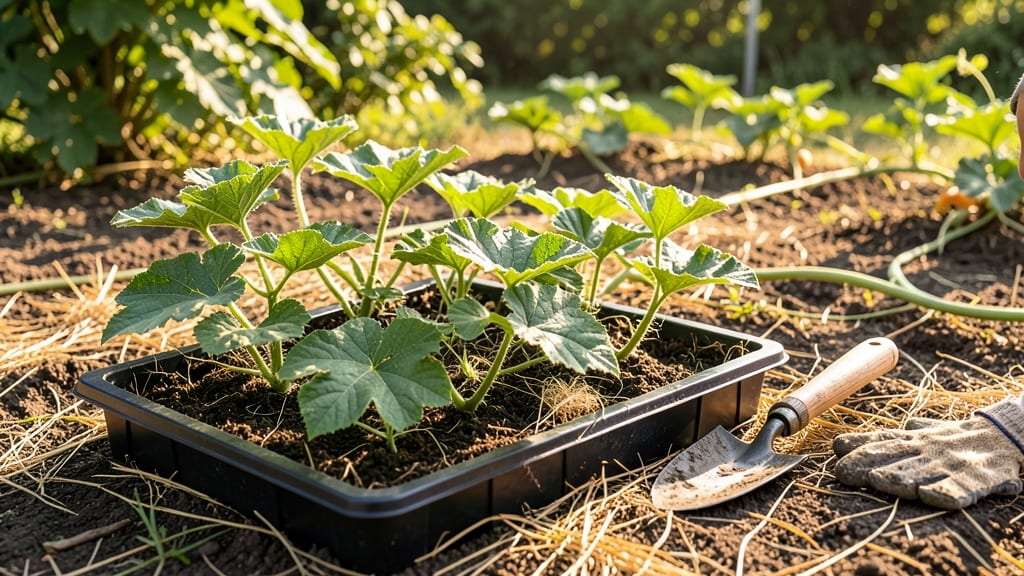
Planting pumpkins in Georgia at the right time means the difference between a bountiful harvest and a sad, wilted vine 🎃.
Georgia’s warm climate and long growing season make it an ideal place for pumpkin cultivation—but timing is everything. Plant too early, and frost will strike; too late, and your harvest shrinks. Here’s the precise schedule Georgia gardeners need to maximize pumpkin yields, from seedling to Thanksgiving table.
For most of Georgia’s USDA zones 7b-8a, the best window to plant pumpkins is late March to early April, once soil temperatures hit 60°F and the threat of frost has passed.
But if you’re aiming for a fall harvest, a second planting in early July can stretch your season until winter.
In this guide, you’ll learn how to time your planting for Georgia’s unique climate, whether you’re starting seeds indoors or sowing directly into the garden. We’ll also cover the best varieties for your region and how to adjust for unpredictable weather—so you can grow pumpkins that thrive, not just survive.
Best planting months for pumpkins in Georgia’s climate zones
Georgia’s diverse climate—from the cooler North Georgia mountains to the hotter coastal plains—means pumpkin planting windows vary dramatically. In USDA Zones 7b-8a, your success hinges on soil temperature thresholds (ideal: 70–90°F) and frost-free dates.
Northern regions like Dahlonega (Zone 7b) have 10–14 days earlier frost risks than Savannah (Zone 8a), so timing adjustments are critical for avoiding early blights or missed harvests.
For direct sowing (planting seeds outdoors), aim for late March to early April in South Georgia and mid-April to early May in North Georgia.
This aligns with soil warming after the average last frost (March 15 in Atlanta, April 15 in Athens). Transplanting seedlings (started indoors) gives you a 2-week buffer—ideal for gardeners in Zone 7b where late frosts linger.
Here’s the comparison-table breaking down planting windows, soil temperature needs, and harvest timelines by Georgia’s microclimates:
| Region | USDA Zone | Direct Sowing Window | Transplant Window | Soil Temp Threshold | Avg. Frost-Free Days | Harvest Window |
|---|---|---|---|---|---|---|
| North Georgia (e.g., Blue Ridge) | 7b | Mid-April to early May | Late March to mid-April (indoors) | 70–80°F | 180–200 days | Late Sept–early Nov |
| Central Georgia (e.g., Atlanta) | 7b–8a | Late March to early April | Early March to late March (indoors) | 75–85°F | 200–215 days | Mid-Sept–mid-Nov |
| South Georgia (e.g., Savannah) | 8a | Late Feb–early March | Late Jan–early Feb (indoors) | 80–90°F | 215–230 days | Early Sept–late Nov |
| Coastal Georgia (e.g., Brunswick) | 8a–9a | Early Feb–early March | Late Jan–early Feb (indoors) | 85–90°F | 230+ days | Mid-Aug–late Nov |
For a fall harvest (ideal for jack-o’-lanterns and pie pumpkins), plant directly outdoors in July–early August.
This second planting ensures vines mature before first frost (Nov 15). Giant varieties like ‘Atlantic Giant’ need 120+ days to reach harvest size, so start them in early June in South Georgia or late May in North Georgia.
Soil temperature is non-negotiable—pumpkin seeds won’t germinate below 60°F. Use a soil thermometer to confirm 70°F+ before planting. In North Georgia, cover seeds with row fabric to accelerate warming by 5–7°F.
For transplants, harden off seedlings for 7–10 days before moving them outdoors to avoid transplant shock.
Spacing is another Georgia-specific challenge. Vining varieties (like ‘Howden’) need 4–6 feet between hills, while bush types (like ‘Cinderella’) can fit in 3-foot circles.
In small gardens, use trellises or vertical supports to save space—though pumpkins are heavy, so secure them every 2–3 feet.
Pro tip: Stagger your plantings by 2 weeks to extend harvests. For example, plant half your seeds in April and the other half in early May. This spreads out ripening and reduces rot risk from overripe pumpkins sitting in the field.
In South Georgia, you can even squeeze in a winter variety like ‘Long Island Cheese’ for December harvests.
Watch for Georgia’s unpredictable weather: heatwaves can stunt pollination, while hurricane season (June–Nov) may delay harvests. If temperatures exceed 95°F, provide afternoon shade to prevent blossom drop. For late-season protection, use row covers to buy 2–3 extra weeks before frost.
Remember:
How to adjust pumpkin planting for Georgia’s unpredictable weather patterns
Georgia’s unpredictable weather can turn a pumpkin patch into a gamble—unless you plan ahead. Late spring frosts in the mountains or sudden hurricane winds along the coast demand flexibility.
My strategy? Staggered planting and protective measures to safeguard your harvest from Mother Nature’s whims. The key is adapting your schedule to local microclimates while preparing for extreme events.
Most gardeners in North Georgia (USDA Zone 7b) plant pumpkins after the last frost date, typically mid-April to early May. But in South Georgia (Zone 8a), the window shifts to late March—earlier because the ground warms faster.
However, these timelines assume perfect conditions. When heatwaves hit early or tropical storms delay planting, you’ll need backup plans. Here’s how I adjust my approach to account for Georgia’s quirks.
Traditional Planting vs. Extended-Season Adjustments
Traditional Planting
- 📅 When: April–May (after last frost)
- ✅ Pros: Aligns with natural growing season
- ✅ Pros: Lower risk of early frost damage
- ❌ Cons: Vulnerable to summer heat stress
- ❌ Cons: Limited harvest window if storms strike
Extended-Season Adjustments
- 📅 When: March (early) + July (late)
- ✅ Pros: Spreads harvest over 2–3 months
- ✅ Pros: Reduces storm/hurricane impact
- ❌ Cons: Requires staggered care
- ❌ Cons: Early plants may need shade
*Use shade cloth (30–50%) for early plantings to prevent heat stress in 90°F+ spells.
For staggered planting, I start with 20% of seeds in early April and the rest in early May. This ensures some pumpkins mature before September hurricanes arrive. If you’re in coastal areas, delay the second planting until mid-May to avoid storm damage.
In mountain regions, use black plastic mulch to warm soil faster and plant 1–2 weeks earlier than the general schedule.
Georgia’s summer heatwaves can scorch young pumpkin vines. To protect seedlings, I use row covers or shade cloth (30–50%) during 100°F+ days. Remove covers by late afternoon to allow pollination.
For hurricane-prone zones, stake vines gently with soft ties to prevent wind damage. If a storm hits, cover pumpkins with burlap sacks to shield them from flying debris.
Late-season hardening is critical if frost threatens. Two weeks before the average first frost (Nov 15), reduce watering and stop fertilizing to toughen vines. In Zone 7b, I’ve successfully extended harvests by 3–4 weeks using row covers on nights when temps drop below 40°F.
For giant varieties, prioritize protecting the largest pumpkins first—they’re your insurance policy against a shortened season.
Monitor soil temperatures with a probe; pumpkin seeds need 70–90°F to germinate. If your soil runs cooler than 60°F, wait or use heat mats for containers.
In South Georgia, I’ve had success with July plantings for a Thanksgiving harvest, but only if I’m prepared to water deeply during droughts. The trade-off? Fewer vines, but larger, sweeter pumpkins.
Georgia’s climate rewards flexible gardeners. By combining staggered plantings, protective measures, and season extensions, you can turn weather challenges into opportunities. My 2022 harvest included pumpkins from April and July plantings, spanning September to December—all thanks to a little foresight and quick adjustments. 🎃