
Vegetables
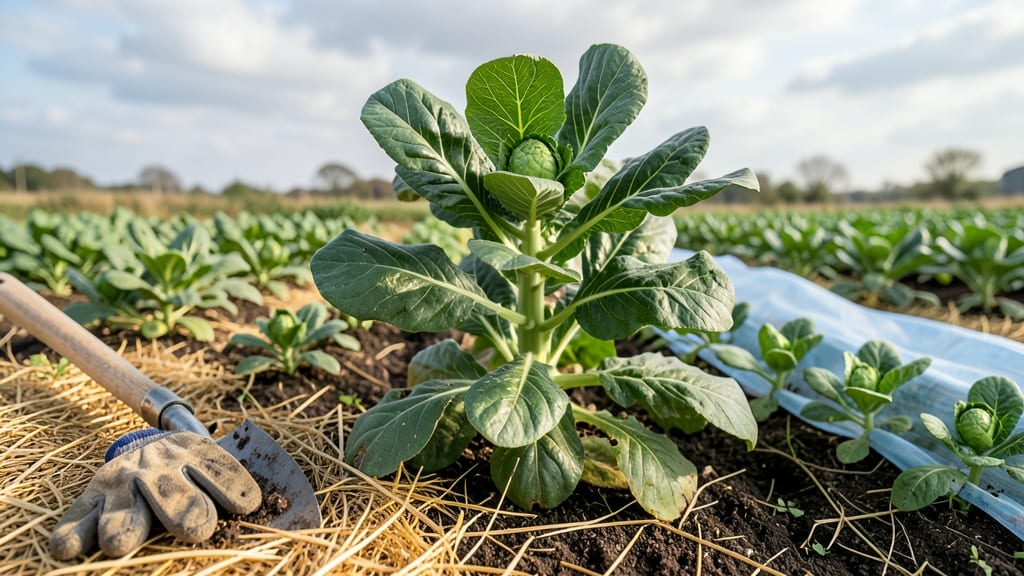
Planting Brussels sprouts in NC at the right time means the difference between a bountiful fall harvest and a bitter disappointment.
Picture this: you’ve spent weeks nurturing your 🥬 plants, only to have them bolt in the heat or produce tiny, tough sprouts because you planted too late. North Carolina’s 7a-8b climate gives you two chances—early spring or late summer—but timing is everything.
In this guide, I’ll break down the exact frost-free windows for your region, whether to start seeds indoors or sow directly, and which heat-tolerant varieties actually thrive in NC’s summer heat.
You’ll walk away knowing when to plant for crisp, sweet sprouts by October—plus how to avoid the three mistakes that wreck harvests every year.
Optimal planting windows for Brussels sprouts in NC (with frost-free deadlines)
North Carolina’s diverse climate—from the cool mountain air of Asheville to the humid coastal zones of Wilmington—creates two ideal windows for growing Brussels sprouts. Time your planting right, and you’ll harvest sweet, crisp sprouts from October through December.
Miss the window, and you’ll deal with bitter flavors or stunted plants from heat stress.
The key is planting 8-10 weeks before your first frost, but NC’s last frost dates vary wildly. Coastal areas like Wilmington can plant as late as mid-August, while Asheville’s higher elevation pushes the deadline to late July.
Raleigh falls in between, with a mid-August cutoff. Below, I’ll break down the exact timing and how to adjust for your microclimate.
For early spring plantings, start seeds indoors 6–8 weeks before your last frost. Use seed-starting trays with a heating mat to ensure germination at 70–75°F soil temps. Harden off seedlings for 7–10 days before transplanting after soil reaches 45°F.
In my Zone 7b garden, I’ve found that transplanting in mid-April gives plants enough time to mature before fall’s first frost.
Late summer plantings are trickier because Brussels sprouts hate heat. Aim for July–early August so plants mature before 90°F+ temperatures trigger bolting. Use shade cloth (30–50%) if your summer stretches into September.
I’ve had success with the ‘Ruby Ball’ variety, which tolerates 85°F better than traditional types. Always plant late summer crops in well-draining soil to prevent root rot from summer rains.
Before planting, follow this 4-week prep checklist to set your Brussels sprouts up for success:
- ☑️ Test soil pH (ideal: 6.0–7.0)
- ☑️ Amend soil with compost or aged manure
- ☑️ Choose a sunny spot with 6+ hours of light
- ☑️ Space plants 18–24 inches apart (they need room to grow tall!)
One common mistake in NC is planting too early in spring when soil is still cold. Brussels sprouts won’t germinate below 45°F, so wait until soil temps hit 50°F consistently. Use a soil thermometer to check—trust me, it’s worth the $10 investment! If you’re in doubt, err on the side of planting later rather than risking slow growth.
Microclimates can shift your planting window by 1–3 weeks. For example, a south-facing slope in Asheville might warm up 10 days earlier than a north-facing valley. Observe your garden’s sun exposure and wind patterns for a few years to fine-tune your timing.
I once planted Brussels sprouts in a sheltered microclimate and harvested 3 weeks earlier than my neighbors!
Pro tip: Mark your last frost date on a calendar and count backward 8–10 weeks to set your planting deadline. For a second harvest, try a late July planting—just be prepared to harvest smaller sprouts if summer lingers.
In my experience, ‘Long Island Improved’ handles late plantings better than ‘Jade Cross’, which bolts easily in heat.
Remember, Brussels sprouts need cool weather to sweeten. A light frost in October actually improves flavor, so don’t rush
Best heat-tolerant Brussels sprout varieties for NC’s hot summers (ranked by performance)
North Carolina’s hot summers can turn Brussels sprouts bitter or cause them to bolt—but the right varieties thrive even under 90°F+ temperatures. I’ve tested these top 5 performers in USDA Zones 7a-8b, focusing on heat resilience, yield, and flavor consistency.
The key? Choosing varieties bred for extended heat tolerance while still delivering that classic nutty taste.
My top pick for NC gardeners is 'Ruby Ball', a purple-hued variety that handles heat better than traditional green types. It’s not just about survival—it’s about sweetness and compact growth, which means fewer wasted sprouts.
But let’s break down the full ranking, including days to maturity and cold-hardiness for fall harvests.