
Watering
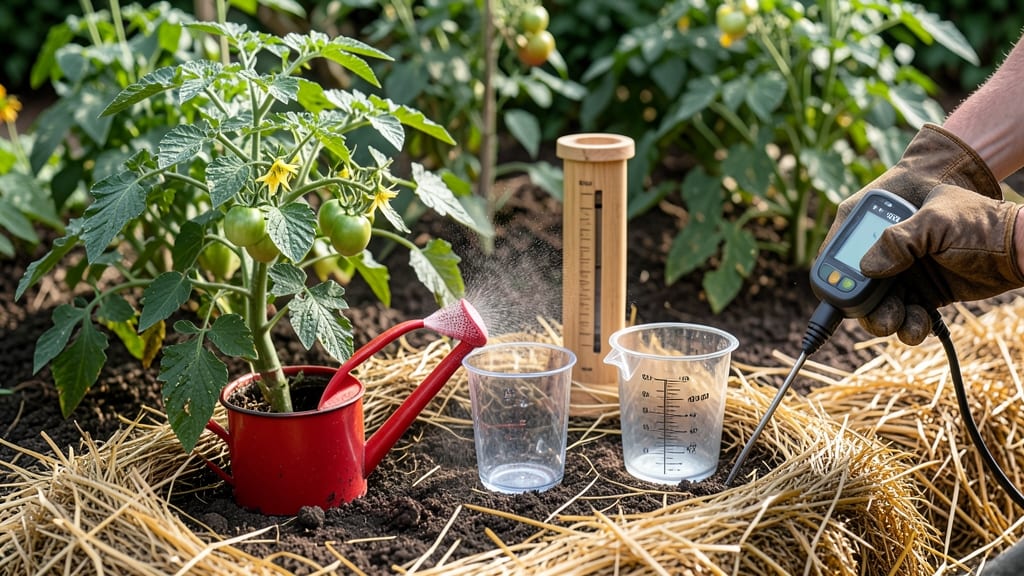
Vegetable gardens need 1 to 1.5 inches of water per week to thrive, but guessing leaves you with either wilting plants or soggy soil that drowns roots.
That’s the problem: most gardeners water based on a schedule—not what their 🥬 plants actually need. Too little, and your tomatoes shrivel before ripening. Too much, and your carrots rot before you can pull them.
The key is matching water to your soil, climate, and the specific needs of each crop.
In this guide, you’ll learn how to calculate the perfect amount for your garden, adjust for sandy vs. clay soil, and spot the 5 warning signs of over- or under-watering before it’s too late.
By the end, you’ll water with confidence—no more wasted effort, no more lost harvests, just a perfectly hydrated garden that rewards you with flavorful, homegrown veggies all season long.


Weekly water requirements for 12 popular vegetable plants (by type)
Watering your vegetable garden isn't a one-size-fits-all task—each plant has unique needs based on its growth stage and type. Leafy greens like lettuce need consistent moisture, while root vegetables such as carrots prefer deeper, less frequent watering. Understanding these differences prevents wasted water and ensures a bountiful harvest.
I’ve broken down the weekly water requirements for 12 common vegetables, measured in inches of water per week, so you can tailor your watering schedule like a pro.
Most vegetables thrive with 1 to 1.5 inches of water per week, but this varies based on soil type, weather, and plant maturity. For example, tomatoes and peppers need more water during fruiting, while herbs like basil prefer drier soil to prevent fungal diseases.
Below, I’ve categorized these plants into groups to make watering even easier. Always water deeply—aim for 6 to 8 inches of soil moisture—to encourage strong root development and drought resistance.
🌱