
Vegetables
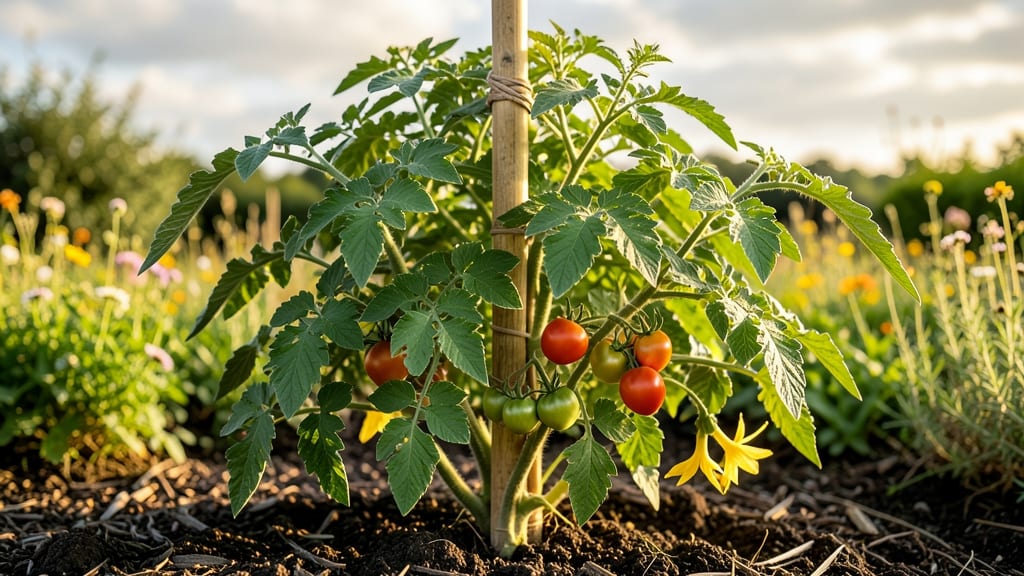
How many hours of sun do tomatoes need to produce the sweet, juicy fruits you love 🍅 — but too much or too little light can ruin your harvest?
If your tomato plants aren’t producing the juicy, vine-ripened fruits you crave, the culprit might be sunlight—or the lack of it. Tomatoes are sun-hungry plants, but how much light do they really need to thrive?
In Zone 6a, where spring planting kicks off after April 15, tomatoes need at least 6 hours of full sun to set fruit, but 8+ hours maximizes flavor and yield.
Too little light leads to leggy plants and poor fruit set, while too much can scorch leaves and crack tomatoes.
Below, I break down the exact sunlight requirements by variety, how to spot light issues early, and 5 proven strategies to get the most from your plants—whether you’re working with a sunny backyard or a shaded balcony.


Tomato sunlight requirements by variety: full sun vs. partial shade needs
Tomatoes are sun-worshippers that crave 6-10 hours of direct sunlight daily to produce sweet, flavorful fruits. But not all varieties need the same amount—some thrive in full sun, while others tolerate partial shade.
Understanding these differences can mean the difference between a bountiful harvest and underwhelming yields. Let’s break down the sunlight needs by popular tomato types so you can position your plants for success.
Most gardeners assume all tomatoes need full sun exposure, but cherry tomatoes and dwarf varieties often do well with slightly less light. Meanwhile, beefsteak tomatoes and heirloom varieties demand more sunlight to develop their signature size and flavor.
Even a few hours less than ideal can lead to poor fruit set or blossom drop, so precision matters. Let’s explore how to match your plants to their perfect light conditions.
| Variety | Ideal Sunlight Hours | Partial Shade Tolerance | Flavor Impact | Yield Impact |
|---|---|---|---|---|
| Heirloom Tomatoes (e.g., Brandywine, Cherokee Purple) | 8-10 hours | Poor; <6 hours = poor ripening | Less sweet, more acidic | Significantly reduced |
| Cherry Tomatoes (e.g., Sweet 100, Sun Gold) | 6-8 hours | Moderate; <5 hours = stunted growth | Milder flavor, smaller size | Reduced by 30-50% |
| Beefsteak Tomatoes (e.g., Big Beef, Arkansas Traveler) | 10+ hours | Very poor; <8 hours = poor development | Watery, bland taste | Nearly eliminated |
| Hybrid Tomatoes (e.g., Early Girl, Roma) | 7-9 hours | Moderate; <6 hours = slower growth | Less vibrant color | Reduced by 20-40% |
| Dwarf/Container Tomatoes (e.g., Tiny Tim, Patio Princess) | 6-7 hours | Good; <5 hours = minimal impact | Slightly less intense | Minimal reduction |
Heirloom tomatoes like Brandywine or Cherokee Purple are the most demanding, requiring 8-10 hours of sunlight to develop their rich flavors and large fruit size. With less than 6 hours of sun, these varieties often produce small, underripe fruits that lack sweetness.
If you’re growing heirlooms in a partial shade garden, consider using reflective mulch or white containers to bounce extra light onto the plants.
Cherry tomatoes are far more forgiving, thriving with just 6-8 hours of sunlight. Varieties like Sweet 100 or Sun Gold can even tolerate partial shade, though their flavor and size may suffer.
If you notice your cherry tomatoes tasting watery or bland, it’s a sign they’re not getting enough sun. Try moving them to a sunnier spot or prune nearby plants blocking light.
Beefsteak tomatoes are the heavyweights of the tomato world, needing 10+ hours of sunlight to reach their full potential. These varieties are notorious for blossom drop when sunlight is insufficient, leading to few or no fruits. If you’re growing beefsteaks in a shady garden, opt for dwarf or semi-dwarf varieties like Celebrity or Better Boy, which tolerate slightly less light while still producing impressive yields.
Hybrid tomatoes strike a balance, typically needing 7-9 hours of sunlight. Varieties like Early Girl or Roma are bred for productivity and adaptability, making them ideal for gardeners with moderate sunlight conditions.
However, even hybrids will underperform if deprived of light, so always prioritize the suniest location in your garden for these plants.
For container-grown tomatoes, like Tiny Tim or Patio Princess, 6-7 hours of sunlight is usually sufficient. These compact varieties are perfect for balconies or patios with limited sun exposure.
To maximize their productivity, place containers on reflective surfaces, like light-colored gravel or a white tray, to increase light reflection and improve growth.
If your garden has hot afternoons, providing morning sun and afternoon shade can prevent sunburn on leaves while still meeting the plant’s light needs. Use shade cloth (30-50% coverage) during peak heat hours to protect delicate varieties like heirlooms or beefsteaks. Just be sure to remove the
Signs your tomatoes aren’t getting enough (or too much) sunlight—and how to fix it
Tomatoes are sun-worshippers that thrive with 6-10 hours of direct sunlight daily. When they don’t get enough light, their growth slows dramatically, and fruit production tanks. But too much sun can also cause problems like sunburn and cracked tomatoes.
Let’s explore how to spot these issues and fix them before your harvest suffers.
First, watch for blossom drop—when flowers fall off before setting fruit. This is a classic sign of insufficient sunlight or inconsistent light exposure. You might also notice small, pale green tomatoes that never ripen or stunted growth where stems stay thin and leggy.
These are all red flags that your plants are light-deprived.
⚠️ How Many Hours of Sun for Tomatoes?
Minimum: 6 hours of direct sunlight (for partial shade-tolerant varieties like 'Sungold' or 'Roma').
Ideal: 8-10 hours for peak flavor and yield (standard for most heirloom and hybrid tomatoes).
Maximum: Avoid 12+ hours of direct sun in extreme heat—can cause sunburn and fruit cracking.
Fix: Use shade cloth (30-50%) in scorching climates or prune lower leaves to improve airflow.
On the flip side, too much sun can scorch your tomato leaves, turning them yellow or brown with crispy edges. You might also spot blistered or cracked fruit, especially in hot, dry conditions.
These are clear signs your plants are over-exposed to intense sunlight. The good news? Adjusting their environment is easier than you think.
To fix sun deficiency, start by relocating your plants to a sunnier spot. If you’re growing in containers, move them to a south-facing window or balcony. For in-ground plants, prune nearby trees or shrubs that might be casting shade.
If shade is unavoidable, choose dwarf or bush varieties like 'Tiny Tim' or 'Patio Princess' that tolerate partial shade better.
For sunburned tomatoes, provide afternoon shade using a lightweight shade cloth (30-50% coverage) or a breathable row cover. Water deeply in the morning to help cool the plants and prevent stress. Mulching with straw or wood chips also keeps roots cooler and retains moisture, reducing heat stress.
Finally, consider trellising your tomatoes to improve air circulation and light penetration. Staking or caging plants lifts the foliage off the ground, allowing more sunlight to reach lower leaves and reducing the risk of disease.
This simple trick can boost your yield by up to 30% while keeping your plants healthier overall. 🌱