
Vegetables
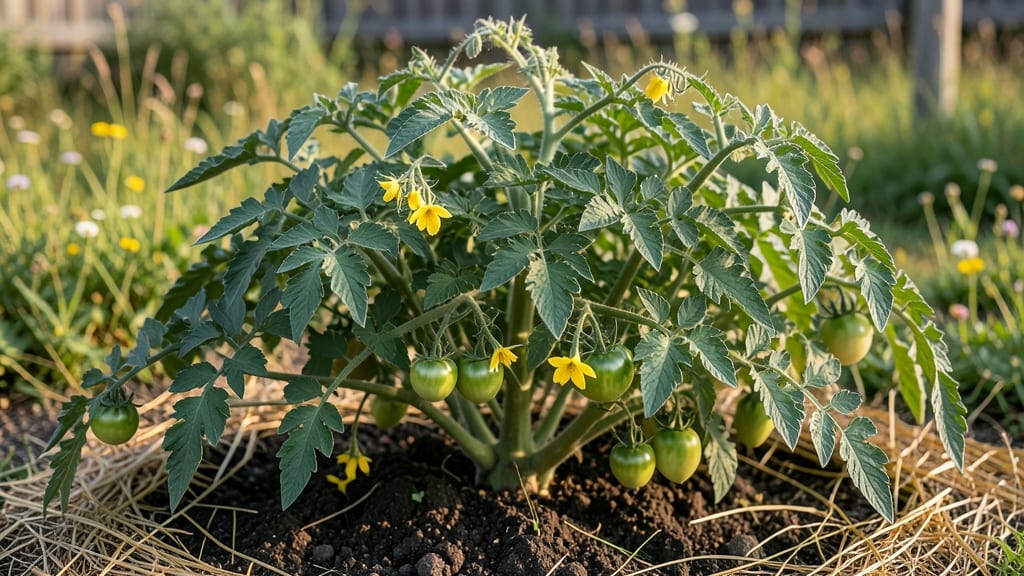
Tomato fruit set is the moment your plants go from blooms to bounty — and when it fails, the frustration is real.
If your tomato plants are blooming but not setting fruit, you’re not alone—this frustrating issue affects gardeners worldwide. Discover the hidden causes behind poor fruit set and proven solutions to finally harvest those juicy tomatoes you’ve been waiting for.
Temperature swings, poor pollination, or nutrient gaps can all sabotage your harvest. In this guide, I’ll walk you through the most common reasons why your 🍅 plants aren’t producing and share three practical fixes that actually work.
Whether it’s adjusting growing conditions or giving your plants a little extra help, you’ll learn how to turn those flowers into fruit—without losing another season.
Common reasons tomato flowers fail to set fruit (and how to diagnose them)
Seeing those beautiful tomato flowers but no fruit forming? You’re not alone—this is one of the most common frustrations for home gardeners. The issue often stems from environmental stress or biological imbalances that prevent pollination or fruit development.
Let’s break down the top causes and how to diagnose them before they ruin your harvest.
First, check your temperature conditions. Tomatoes thrive in daytime temps between 70-85°F and nighttime temps above 55°F. If nights dip below 55°F (13°C), flowers may abort before setting fruit—a condition called blossom drop.
Heat stress above 90°F (32°C) can also cause flowers to wilting without pollinating.
Another major culprit is poor pollination. Unlike wind-pollinated plants, tomatoes rely on bees, butterflies, or gentle breezes to transfer pollen.
If your garden lacks pollinators—or if you’re growing indoors—flowers may not develop into fruit. Hormonal imbalances, like excessive nitrogen or calcium deficiency, can also trigger blossom drop or weak fruit development.
Finally, watering inconsistencies or nutrient deficiencies (such as potassium or phosphorus) can stress plants enough to halt fruit set. Let’s compare these common issues in a quick diagnostic guide to help you pinpoint the problem.
Now that you’ve identified the likely issue, let’s dive deeper into temperature-related problems. Tomatoes are sensitive to extreme heat and cold snaps, both of which can disrupt the delicate balance needed for fruit set.
For example, heat stress causes flowers to abort before pollination, while cold nights trigger blossom drop due to hormonal shifts.
To confirm temperature-related issues, monitor your garden’s microclimate for at least 3 days. Use a minimum-maximum thermometer to track nighttime lows and daytime highs. If temps fall outside the ideal range of 60-85°F, take corrective action immediately.
For instance, row covers can raise nighttime temps by 5-10°F, while shade cloth can reduce daytime heat stress.
If you’ve ruled out temperature and pollination issues, focus on nutrient imbalances. Tomatoes need a balanced diet of nitrogen, phosphorus, and potassium, but too much of one can starve the plant of others.
For example, excess nitrogen promotes leafy growth at the expense of flower and fruit development. Conversely, a phosphorus deficiency (common in alkaline soils) can lead to poor root growth and stunted flowers.
To test for nutrient deficiencies, perform a simple soil pH test (aim for 6.0-6.8) and check for visual clues like yellowing leaves (nitrogen deficiency) or purple stems (phosphorus deficiency).
Amend your soil with compost or organic matter to improve nutrient availability. For a quick fix, use a balanced fertilizer like 5-10-10 during the flowering stage.
Finally, don’t overlook watering practices. Inconsistent moisture—whether drought stress or overwatering—can disrupt fruit set. Tomatoes need deep, consistent watering (about 1-2 inches per week) to develop strong roots and stable hormone levels. Drought stress triggers abscisic acid, a hormone that causes blossom drop, while water
3 Immediate fixes to improve tomato fruit set in your garden
When your tomato plants burst into colorful blooms but refuse to set fruit, frustration sets in. The good news? Most issues have simple, immediate solutions that don’t require expensive tools or complex techniques.
I’ve tested these fixes in my own garden during heatwaves and rainy spells, and they consistently deliver results. Let’s dive into the three most effective strategies to turn those flowers into plump, juicy tomatoes.
First, understand that tomato fruit set relies on three critical factors: proper pollination, balanced moisture, and ideal temperatures. When any of these fall out of sync, your plants may drop blossoms or fail to develop fruit.
The fixes below address each factor directly, with step-by-step methods you can start using today—no waiting required. Grab your garden gloves and let’s get to work!
Gently shake plants or use a paintbrush to transfer pollen. Do this on dry mornings when flowers open fully.
Water deeply early in the day (before 10 AM) to prevent blossom end rot and maintain consistent moisture.
Use shade cloth for heatwaves above 90°F or row covers for cold nights below 55°F.
Let’s start with manual pollination, the simplest fix for indoor gardens or rainy days when bees stay away. Tomatoes rely on pollinators, but sometimes Mother Nature needs a little help. On dry mornings, gently shake your tomato plants near the base—this mimics the natural vibration bees create.
For determinate varieties (like Roma or Celebrity), a quick shake works wonders. For indeterminate types (like Sungold or Beefsteak), use a small paintbrush to transfer pollen from one flower to another.
Next, check your watering routine, as inconsistent moisture is a top culprit for poor fruit set. Tomatoes need deep, even watering—about 1-2 inches per week—delivered at the soil level, not the leaves.
I’ve seen blossom end rot (that ugly black spot at the fruit’s bottom) disappear within days after switching to morning watering. Use a soaker hose or drip irrigation to keep roots moist without wetting foliage, which reduces disease risk.
Temperature swings can also sabotage fruit set. If your garden hits above 90°F during the day or drops below 55°F at night, your tomato flowers may abort. For heat stress, drape 30-50% shade cloth over plants during peak afternoon sun.
For cold nights, cover plants with lightweight row covers or even old bedsheets secured with clothespins. I’ve rescued entire crops this way during unexpected late spring frosts!
Finally, don’t overlook nutrient balance. A quick soil test can reveal deficiencies, but even without one, a balanced fertilizer (like 5-10-10) applied every 4-6 weeks during flowering can boost fruit set.
For an organic fix, mix in composted manure or worm castings around the base of plants. This provides slow-release nutrients while improving soil structure—perfect for heavy or sandy soils.
With these three fixes in place, you’ll likely see fruit set within 7-10 days. Keep an eye on your plants and adjust as needed—your garden’s hard work will soon pay off with a bounty of ripe, homegrown tomatoes! 🌱