
Vegetables
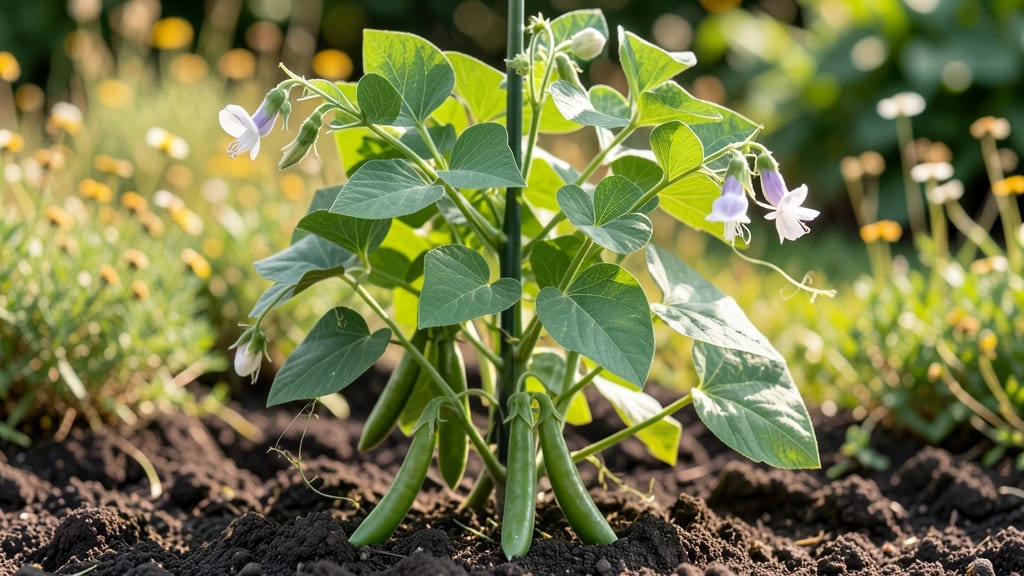
Did you know green beans can go from seed to harvest in just 50 days? With the right techniques, you can enjoy fresh, homegrown green beans faster than you think—here’s how to maximize growth speed and yield.
Most gardeners overlook how soil warmth, sunlight exposure, and even planting depth can shave weeks off your harvest time. I’ve tested these tricks in Zone 6a gardens, and the difference between a 60-day and a 50-day harvest is all in the details.
Below, I’ll walk you through the exact steps—from seed selection to trellising—to get your green beans growing faster and producing more. No guesswork, just proven results.


Optimal conditions for fast green bean growth in 50 days
Green beans are one of the fastest vegetables to grow in your garden, but achieving a 50-day harvest requires precise conditions. The right combination of sunlight exposure, soil temperature, and watering consistency can cut growth time by nearly 20%.
Let’s break down the science behind speedy green bean growth so you can enjoy fresh pods faster than ever.
First, sunlight is non-negotiable—green beans thrive with 6-8 hours of direct sun daily. Without enough light, plants grow leggy and produce fewer pods. Pair this with warm soil temperatures (at least 60°F) to kickstart germination and rapid early growth.
These two factors alone can shave off 5-7 days from your harvest timeline.
| Factor | Ideal Condition | Impact on Growth |
|---|---|---|
| Sunlight | 6-8 hours daily | Faster photosynthesis, more pods |
| Soil Temperature | 60-85°F (15-29°C) | Speeds germination and root growth |
| Spacing | 4-6 inches apart | Reduces competition, healthier plants |
| Watering | 1 inch per week (consistent) | Prevents stress, supports pod development |
| Planting Depth | 1 inch deep | Ensures strong root establishment |
Next, soil temperature plays a critical role in germination speed. If your soil is too cold (below 60°F), seeds may take 10-14 days to sprout instead of the ideal 5-7 days.
Use a soil thermometer to monitor temperatures, especially in early spring. For faster results, consider black plastic mulch to warm the soil by 5-10°F.
Proper spacing between plants also accelerates growth. Crowding slows development as plants compete for nutrients and sunlight. Maintain 4-6 inches between seeds in rows spaced 18-24 inches apart. This spacing ensures airflow, reducing disease risk and allowing each plant to focus energy on pod production rather than survival.
Watering is another often-overlooked factor. Green beans need consistent moisture, but overwatering can lead to root rot and stunted growth. Aim for 1 inch of water per week, delivered in the morning to prevent fungal issues.
Drip irrigation or soaker hoses work best, as they deliver water directly to the roots without wetting the leaves.
Timing your planting is equally important. In most climates, late April to early May (after the last frost) is ideal. For a 50-day harvest, choose fast-maturing varieties like 'Blue Lake' or 'Contender,' which can reach maturity in 50-55 days.
If you live in a cooler zone, opt for bush beans instead of pole beans—they mature faster and don’t require trellising.
Finally, consider your microclimate. If your garden is shaded by trees or buildings, supplement with a reflective mulch or grow lights to extend daylight hours. Even an extra 2 hours of light can make a noticeable difference in growth speed.
Pay attention to wind exposure too—strong winds can stress young plants, so consider planting near a windbreak or fence.
By mastering these five key conditions, you’ll set your green beans up for success and enjoy a fast, bountiful harvest in just 50 days. The secret isn’t just one factor—it’s the perfect balance of sunlight, warmth, spacing, water, and timing working together.
🌱
Step-by-step planting and care schedule for 50-Day harvest
To achieve a 50-day harvest with green beans, timing and consistency are everything. Start by selecting fast-maturing varieties like Blue Lake or Contender, which thrive in warm soil and deliver pods in under two months.
The key lies in balancing planting depth, watering frequency, and nutrient support—all while avoiding common pitfalls like overcrowding or inconsistent moisture.
Your journey begins 2-3 weeks before your last frost date, when soil temperatures reach at least 60°F. This early start ensures your plants hit their growth stride as soon as conditions allow.
Prepare your garden beds by amending the soil with compost and a balanced fertilizer (5-10-10 ratio) to give seedlings a nutrient boost from day one. Raised beds or containers work exceptionally well for faster growth, as they warm up quicker in spring.
Choose fast-maturing varieties (e.g., Blue Lake or Provider). Test soil pH (ideal: 6.0-7.0) and amend with compost or aged manure.
Sow seeds 1 inch deep, 4-6 inches apart, in rows 18-24 inches apart. Use a trellis or stakes for climbing varieties to save space and improve airflow.
Water deeply every 2-3 days (1 inch total). Apply light fertilizer (5-10-10) when seedlings are 4-6 inches tall. Mulch with straw to retain moisture.
Remove lower leaves touching soil to prevent disease. Monitor for aphids or spider mites—spray with neem oil if detected. Prune yellowing leaves immediately.
Pick pods when 4-6 inches long and firm to the touch. Harvest every 2-3 days to encourage more production. Stop fertilizing 4 weeks before first frost.
Once your seeds sprout (typically within 7-14 days), thin seedlings to maintain proper spacing. Overcrowded plants compete for nutrients and sunlight, slowing growth. Thin to 3-4 inches apart for bush varieties or 6 inches apart for pole beans.
If using a trellis system, guide vines upward gently to maximize vertical space and improve air circulation.
Fertilization plays a critical role in accelerating growth. After your seedlings reach 4-6 inches tall, apply a balanced fertilizer (5-10-10) every 4-6 weeks during the growing season. Avoid over-fertilizing, as excess nitrogen can lead to leafy growth at the expense of pod production.
Side-dress with compost mid-season to provide a slow-release nutrient boost without risking burn.
Pruning isn’t just for aesthetics—it’s a growth accelerator. Regularly remove yellow or diseased leaves to redirect energy to pod production. For pole beans, pinch back the tips of the main vines to encourage bushier growth with more pods.
Always use clean, sharp pruners to avoid spreading disease, and prune in the early morning when plants are hydrated.
By following this 50-day schedule, you’ll enjoy a bountiful harvest of crisp, homegrown green beans—ready to pick in just 7 weeks! The secret lies in consistency: water deeply, fertilize strategically, and harvest regularly to keep your plants productive until the first frost. 🌱