
How To
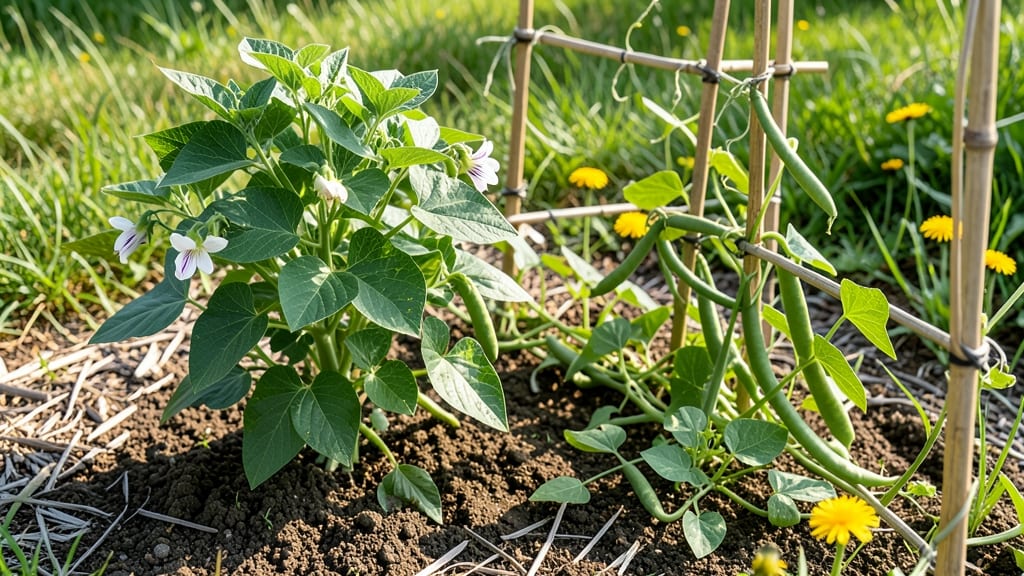
Green beans grow between 1 and 8 feet tall, depending on whether you choose bush or pole varieties—so picking the right type can transform your garden from a sprawling mess to a tidy, high-yielding space.
If you’re planning a garden but unsure whether to plant pole or bush green beans, knowing their growth habits is the first step to maximizing your harvest—and space! The right choice can mean the difference between a tiny patch of beans and a towering vertical feast.
Pole beans climb like vines, reaching heights of 5 to 12 feet with the right support, while bush beans stay compact at 1 to 3 feet. This difference isn’t just about aesthetics—it impacts how you space your plants, whether you need trellises, and even how many beans you’ll harvest.
Below, I’ll break down the best varieties for each type, how to support them for maximum growth, and tips to avoid common mistakes that stunt their height—or your yield.


Pole green bean growth height: how tall they climb and why it matters
Pole green beans are the vertical superstars of the garden, shooting upward like nature’s own living trellis. Unlike their bushy cousins, these vining varieties can reach heights of 5 to 12 feet, depending on the cultivar and growing conditions.
Their impressive height isn’t just for show—it’s a game-changer for space efficiency and harvest yield in small gardens. But not all pole beans climb the same way, and understanding their growth habits will help you choose the perfect variety for your space.
The reason pole beans grow so tall is their natural twining habit. Their tendrils spiral around supports, creating a self-sustaining vertical structure that maximizes sunlight exposure for leaves and pods.
This vertical growth allows plants to produce more beans in the same footprint as bush varieties, making them ideal for urban gardens, small yards, or container setups. However, their height also means you’ll need a sturdy trellis or support system to prevent flopping and breakage.
Here’s where it gets interesting: some pole beans are fast climbers, reaching their full height in just 60 to 70 days, while others take longer.
The fastest varieties, like Kentucky Wonder or Blue Lake Pole, can hit 8 to 10 feet in a single season, while heirloom types may take slightly longer but reward you with longer harvest windows.
Your choice depends on your garden’s layout and how quickly you want to see those lush green vines take over your trellis.
🌱
The height of your pole beans directly impacts your harvest potential. Taller varieties like Kentucky Wonder produce more pods because their vines spread out, capturing more sunlight and air circulation. This vertical growth also reduces competition for nutrients in the soil, leading to longer and more abundant harvests.
However, taller beans require stronger supports—think wooden lattice, metal cages, or sturdy bamboo stakes—to prevent the plants from toppling over during wind or heavy pod production.
Choosing the right trellis material is just as important as selecting the bean variety. Wooden trellises are sturdy and blend into garden aesthetics, while metal or PVC pipes offer durability and resistance to rot.
For smaller spaces, string trellises or netting work well, but they may need reinforcement as the plants grow heavier. I’ve found that A-frame trellises are my go-to for pole beans—they provide ample support and make harvesting a breeze.
If you’re growing pole beans in containers or small gardens, opt for shorter varieties like Contender or Blue Lake Pole, which max out at 5 to 7 feet. These are perfect for balconies or patio gardens where space is limited but you still want that vertical harvest.
Just ensure your container has a deep root zone (at least 12 inches) and a sturdy trellis attached to the sides. For larger gardens, taller varieties like Rattlesnake or Kentucky Wonder will let you grow more beans in less space, making them a high-yield champion.
One common mistake I see is underestimating the weight of a mature pole bean plant. A single vine can produce 10 to 20 pounds of beans in a season, and that weight can stress even the sturdiest trellis.
To avoid disaster, I recommend tying the vines to the trellis every 2-3 feet as they grow, using soft garden twine or plant clips. This not only supports the plant but also encourages better airflow, reducing the risk of fungal diseases like rust or powdery mildew.
🌿
Finally, don’t overlook the com
Bush green bean height: compact varieties and their growing advantages
If you're working with limited garden space, bush green beans are your best friend. These compact varieties typically mature between 1 to 3 feet tall, making them perfect for small gardens, containers, or even balcony planters.
Their self-supporting growth habit means no trellises or staking—just easy access to fresh pods right at ground level.
Their space-saving nature is one of their biggest advantages. Unlike pole beans that can reach 6 to 12 feet tall, bush beans stay low and bushy, allowing you to plant them in tight rows or even interplant with other vegetables like lettuce or radishes.
This makes them ideal for intensive planting and maximizing your harvest in small areas.
One of the biggest perks of bush green beans is their fast growth cycle. Many varieties mature in just 45 to 60 days, giving you a quick harvest compared to pole beans, which can take longer to produce.
This makes them a great choice for short growing seasons or areas with early frosts.
For container gardening, choose dwarf varieties like Contender or Tendercrop, which thrive in pots as small as 12 inches wide. Just ensure your container has drainage holes and use a high-quality potting mix to prevent waterlogging.
Bush beans also make excellent companions for radishes, lettuce, and carrots, as they grow quickly and won’t overshadow slower-maturing crops.
When planting, space seeds 3 to 5 inches apart in rows that are 18 to 24 inches apart to allow for airflow and reduce disease risk.
Unlike pole beans, bush varieties don’t need support, so you can focus on keeping the soil moist and providing full sun exposure (at least 6 hours daily). Mulching around the base will help retain moisture and suppress weeds, making maintenance a breeze.
If you're aiming for a continuous harvest, consider planting a second crop 3 to 4 weeks after your first planting. Bush beans are prolific producers, and with proper care, you can enjoy fresh pods for weeks.
Their compact size also makes them perfect for urban gardens or community plots where space is at a premium.