
Plants
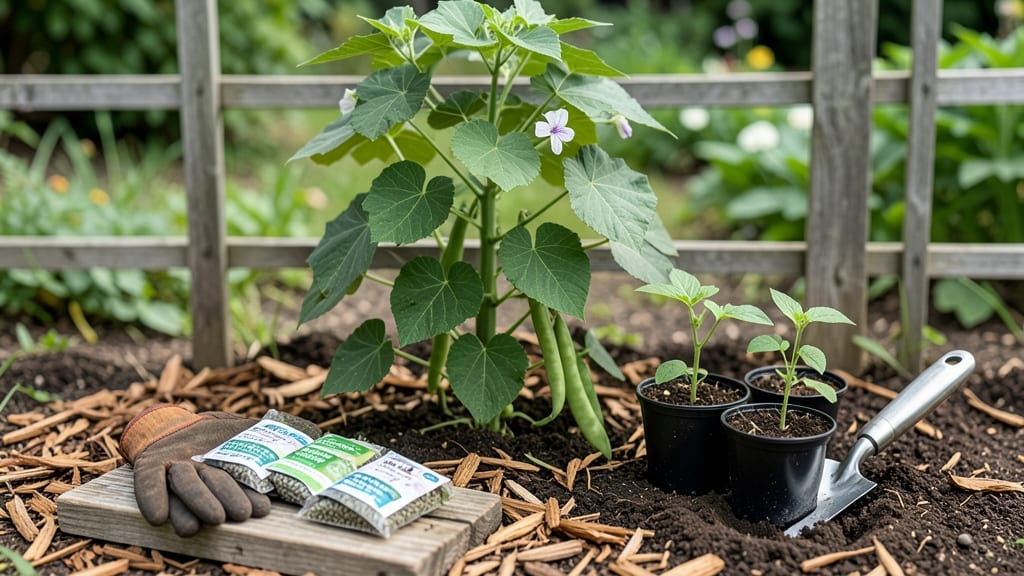
Plant green beans in Kentucky between April 15 and June 15 for spring harvests or August 1 to September 15 for fall yields, aligning with your USDA zone’s last frost dates.
Miss that window, and you’ll either watch your seedlings freeze or battle pests in the heat. Kentucky’s humid summers and unpredictable spring frosts mean timing is everything—one wrong move, and your 🌱 green beans bolt or wilt before you even taste them.
Soil temps below 60°F slow germination, while late plantings risk stunted growth. Below, I break down the exact weeks to sow by zone, plus how to stretch your season with simple tricks like row covers and succession planting.
You’ll leave with a clear schedule, the best varieties for Kentucky’s climate, and a foolproof method to avoid the two biggest mistakes gardeners here make—planting too early or ignoring soil prep.
Kentucky green bean planting dates by USDA zone: exact weeks before/after last frost
Kentucky’s USDA zones 5a-7a create distinct planting windows for green beans, where timing directly impacts yield. Soil temperature must reach 60°F+ and air temperatures should stay above 50°F consistently. In colder zones like 5a-6a, you’ll need to start 2-3 weeks earlier than southern regions to avoid frost damage.
Green beans thrive in Kentucky’s humid summers, but late spring frosts (common in zones 5a-6a) can devastate young plants. Fall planting works best in zones 6b-7a, where first frosts arrive later. Always check your local last frost date—Kentucky’s ranges from April 15 (north) to March 20 (south).
| USDA Zone | Last Frost Date | Spring Planting Window | Fall Planting Window | Soil Prep Tip |
|---|---|---|---|---|
| 5a | April 25 | May 10–June 5 | August 15–September 10 | Use black plastic mulch |
| 6a | April 15 | April 25–May 15 | August 1–September 5 | Add compost for warmth |
| 6b | April 5 | April 15–May 10 | August 10–September 10 | Test soil pH (6.0–7.0) |
| 7a | March 20 | March 30–April 20 | July 20–August 20 | Use row covers for early |
| 7b | March 10 | March 20–April 10 | July 15–August 15 | Plant heat-tolerant varieties |
🌱 Note: Adjust dates 1 week earlier for early varieties or 1 week later for late-season harvests.
In zones 5a-6a, focus on early-maturing varieties like 'Blue Lake' (50 days) to avoid late spring frosts. These zones benefit from black plastic mulch, which warms soil 5-10°F faster than bare ground.
For fall planting, prioritize heat-tolerant varieties like 'Contender' (60 days) in zones 6b-7a to extend harvests past first frost.
Soil preparation is critical—Kentucky’s clay-heavy soils drain poorly, leading to root rot. Amend beds with 2-3 inches of compost and sand
How to extend green bean season in Kentucky: succession planting & frost protection hacks
Kentucky’s humid summers and variable frost dates can make green bean growing tricky—but with the right strategies, you can enjoy fresh snap beans from spring to fall. The key lies in succession planting and smart frost protection.
By staggering plantings every 2-3 weeks, you’ll ensure a continuous harvest, while protective measures like row covers and cold frames let you push the season earlier or later.
For year-round success, focus on heat-tolerant varieties like 'Blue Lake' or 'Contender' and pair them with season extension tools. These methods aren’t just for beginners—even experienced gardeners use them to double their harvest without extra space.
Let’s break down the best tactics and how they stack up against each other.
Frost Protection Methods Comparison
Row Covers
- Pros: Lightweight, easy to install, allows airflow
- Cons: Needs stakes, limited frost protection (~2-4°F)
Cold Frames
- Pros: Extends season by 4-6 weeks, protects from wind
- Cons: Expensive, requires ventilation, heavy
Succession Planting
- Pros: No extra tools, guarantees continuous harvest
- Cons: Requires space management, more seed costs
Heat-Tolerant Varieties
- Pros: Thrives in Kentucky’s heat, disease-resistant
- Cons: Limited flavor for some, may need staking
Start with succession planting—sow seeds every 2-3 weeks from late April through early June for a spring crop, and again in late July to early August for fall. This ensures you’re always harvesting while avoiding the peak pest season in midsummer.
For example, plant your first batch 2 weeks after your last frost date (typically mid-April in most of Kentucky), then follow up with new seeds every 3 weeks.
When late-season frosts threaten (common in Kentucky’s USDA zones 6-7), use row covers to protect young plants. These lightweight fabrics raise soil temperatures by 5-8°F and shield tender seedlings from light frosts.
For a longer extension, opt for cold frames, which can push your harvest window back by 4-6 weeks in fall. Just remember to ventilate during warm days to prevent overheating.
For heat-tolerant varieties, choose drought-resistant types like 'Blue Lake Bush' or 'Kentucky Wonder'—both perform well in Kentucky’s humid summers and clay-heavy soils. Pair these with mulch to retain moisture and suppress weeds.
If you’re growing pole beans, add trellises to save space and improve air circulation, reducing the risk of fungal diseases like rust.
Don’t forget to monitor soil temperatures—green beans thrive when soil reaches 60°F. Use a soil thermometer to time your plantings perfectly.
In northern Kentucky (zone 6a), you might need to wait until mid-May for ideal conditions, while southern Kentucky (zone 7b) can start as early as late April. Adjust your schedule based on your microclimate for the best results.
With these frost protection hacks and succession planting strategies, you’ll enjoy fresh green beans from early summer through crisp fall days—even when your neighbors are scrambling to harvest before the first frost. Happy gardening! 🌱