
Vegetables
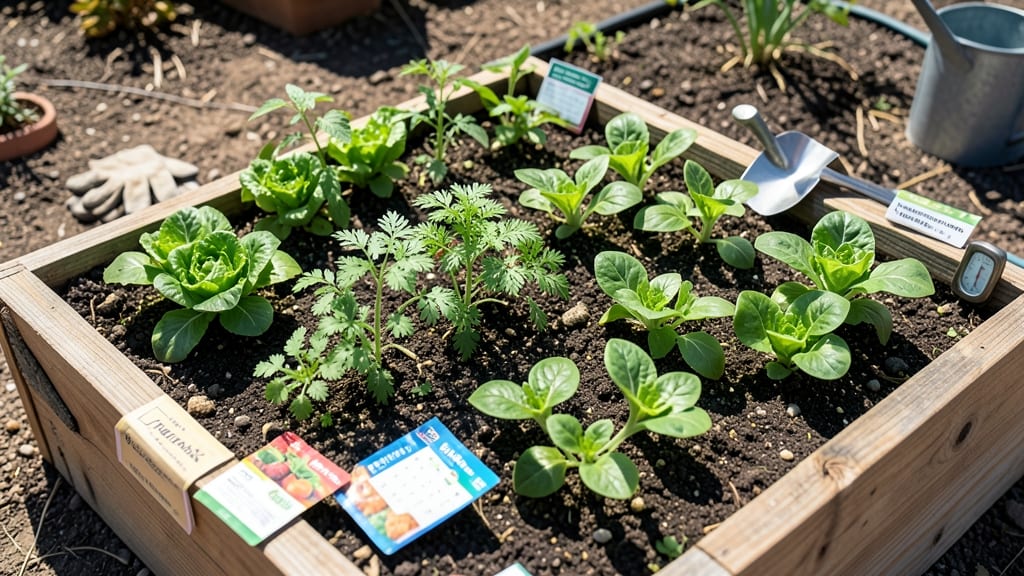
To plant vegetables in Phoenix, time your schedule between September and March when temperatures drop below 100°F—any earlier risks bolting greens or wilting vines before harvest.
Phoenix’s scorching summers and mild winters make timing your vegetable planting a game-changer—get it wrong, and your garden could wither before harvest. But with the right schedule, you can grow heat-resistant crops year-round and enjoy a bountiful harvest even in 110°F heat.
Most 🥕 vegetables thrive in Phoenix’s cool-season window, but even heat-loving crops like tomatoes and peppers need a strategic start. Skip summer planting unless you’re using shade cloth, or risk stunted growth and bitter flavors.
Below, I break down the best months for cool-season greens, warm-season staples, and how to stretch your growing season with simple tricks—so you’re harvesting all year, not just in spring.
Phoenix’s best planting months for heat-resistant vegetables by season
Timing your vegetable garden in Phoenix is all about working with the heat—not against it. The Valley’s 110°F summers and mild winters create a unique growing window where heat-resistant crops thrive year-round.
Unlike northern climates, Phoenix gardeners can plant almost anytime, but strategic timing maximizes yields and avoids stressing delicate plants.
Cool-season crops like leafy greens and root vegetables prefer fall and winter planting, while warm-season favorites such as tomatoes and peppers need to go in early spring or late summer to escape the worst heat.
Below, I’ll break down the ideal planting months for each category, including direct-sowing and transplanting tips tailored to Phoenix’s microclimates.
Pro Tip: Use shade cloth (30-50%) for summer plantings to protect seedlings from intense midday sun. Even heat-loving crops benefit from temporary shade during their early growth stages.
| Month | Cool-Season Crops (Fall/Winter) | Warm-Season Crops (Spring/Summer) | Key Notes |
|---|---|---|---|
| August | Direct-sow: broccoli, cauliflower, kale | Transplant: tomatoes, peppers, eggplant (use shade cloth) | Soil temps drop; avoid peak afternoon heat |
| September | Direct-sow: lettuce, spinach, radishes | Direct-sow: beans, cucumbers, squash | Perfect transition month; cooler nights |
| October | Transplant: onions, carrots, beets | Direct-sow: green onions, turnips | Ideal for cool-season staples; minimal heat stress |
| November–February | Direct-sow/transplant: all greens, herbs, root veggies | Avoid planting (except heat-tolerant greens like Swiss chard) | Coolest months; extend season with row covers |
| March–April | Direct-sow: peas, broccoli (late March) | Transplant: tomatoes, peppers, okra | Soil warms; use mulch to retain moisture |
| May–July | Skip (except shade-tolerant greens) | Direct-sow: beans, melons, sweet potatoes | Extreme heat; water deeply at dawn/dusk |
For warm-season crops, March through May is your best window to transplant tomatoes, peppers, and eggplants before temperatures soar. Start seeds indoors in February for a head start. By June, even heat-lovers like okra and sweet potatoes struggle without shade and consistent watering.
Cool-season vegetables like lettuce and spinach bolt in 100°F+ heat, so they’re best planted in fall or winter. However, varieties like Swiss chard and kale tolerate mild winter chill and can be harvested year-round with protection. Use row covers in December to shield from rare light frosts.
Phoenix’s urban heat islands can add 5–10°F to ambient temps, so container gardens in cities may need earlier shade than rural areas. Monitor soil temps with a thermometer—ideal ranges are 60–70°F for cool crops and 70–90°F for warm crops.
One of my biggest mistakes was planting tomato seedlings in June—they wilted within days despite daily watering. Now, I transplant warm-season crops in March and use drip irrigation to keep roots cool. This simple shift doubled my harvest!
Don’t forget to rotate crops annually to prevent soil depletion. For example, plant heavy feeders like tomatoes in one bed in spring, then switch to light feeders like beans in fall. This keeps nutrients balanced and reduces disease risk.
🌱
Top 5 heat-tolerant vegetables that thrive in Phoenix’s climate
Phoenix’s brutal summers (think 110°F+) can turn even the hardiest gardens into crispy wastelands—but not if you pick the right plants. These top 5 heat-tolerant vegetables don’t just survive the desert heat; they thrive, producing bountiful harvests with minimal fuss.
The key? Choosing varieties bred for USDA Zone 10-11 and timing your plantings to avoid peak afternoon sun.
My #1 rule for Phoenix gardening: Plant warm-season crops in late summer (August-September) to let them establish roots before winter cools down. Cool-season crops? Skip them entirely in summer—they’ll bolt faster than a jackrabbit in a coyote chase.
Instead, focus on heat-loving powerhouses that keep producing through December and even into spring.
Let’s start with the ultimate Phoenix powerhouse: ‘Black Beauty’ eggplant. This variety handles 100°F+ temps like a champ and produces dark, glossy fruits that rival restaurant-quality. Plant seeds directly in soil after last frost (usually mid-February) or transplant 4-6 week seedlings in March-April.
Pro tip: Mulch heavily to retain moisture and prune suckers to boost fruit size.
Next up: ‘Jalapeño’ peppers, which are Phoenix’s secret weapon for year-round harvests. These spicy green gems tolerate heat better than bell peppers and keep producing through winter if given 6+ hours of sun.
For maximum yield, plant in late summer (August) and use containers to move them to shade during monsoon season. Pair them with basil or oregano to repel pests naturally.
Don’t overlook ‘Malabar spinach’, a heat-loving vine that’s not actually spinach (it’s a tropical relative) but tastes like one. This perennial grows wild in Phoenix and regrows after cutting.
Direct-sow seeds in spring or fall and let it climb a trellis or fence to save space. It’s drought-tolerant once established, making it perfect for low-water gardens.
For leafy greens, ‘Swiss chard’ (Bright Lights variety) is your best bet—it handles heat better than lettuce or kale and produces colorful stems and leaves all season.
Sow seeds every 2-3 weeks from September to March for continuous harvests. Harvest outer leaves first to keep the plant producing, and water deeply 2x/week to prevent bolting.
Finally, ‘Black Seeded Simpson’ okra is a Phoenix staple that loves the heat and hates humidity—perfect for our dry climate.
Plant seeds after last frost (February) or transplant in March, and watch it bolt upright to 5-6 feet with pods ready in 50-60 days. Harvest pods young (3-4 inches) for the best texture, and companion plant with tomatoes to improve flavor.