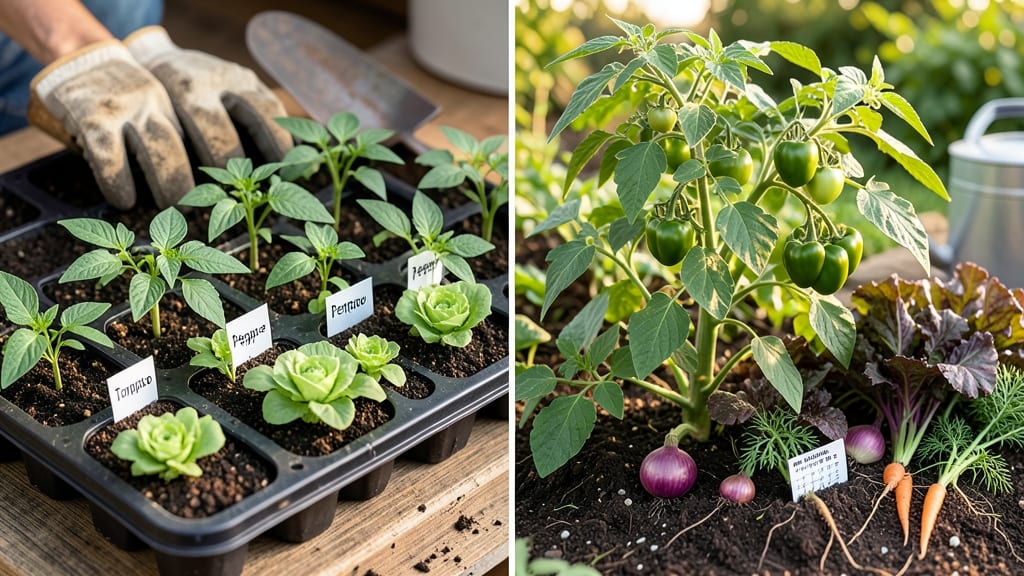
Planting vegetables in Illinois at the right time means the difference between a garden that thrives and one that struggles—getting the timing wrong can leave you with frost-nipped seedlings or stunted harvests.
With five distinct USDA zones across the state, knowing exactly when to sow each crop is your best bet for a bountiful harvest. Whether you're in the cooler north or the warmer southern regions, the last frost date isn't just a number—it's your garden's deadline.
Cool-season crops like spinach and kale can handle early spring planting, while tomatoes and peppers need to wait until the soil is warm enough to avoid shock. Missing these windows means wasted effort and missed meals.
In this guide, I’ll break down the zone-specific planting calendar for Illinois, share pro tips to extend your growing season, and help you avoid common mistakes that even experienced gardeners make.
🌱When to Plant Vegetables
Jan❄️
Feb❄️
Mar🌱
Apr🌱
May🌱
Jun🌱
Jul☀️
Aug☀️
Sep🍂
Oct🍂
Nov🍂
Dec❄️
Ideal Time
Also Good
Illinois planting zones & frost dates: your 2024 vegetable calendar
Illinois spans USDA Plant Hardiness Zones 4 through 8, creating dramatic differences in frost timing from north to south. In Zone 4 (northern Illinois), gardeners face earlier springs and colder falls, while Zone 8 (southern Illinois) enjoys longer growing seasons.
Knowing your zone and average last spring frost (typically April 15-May 15) and first fall frost (typically October 15-November 15) is key to timing your cool-season vs. warm-season crops perfectly.
For example, lettuce and spinach thrive in cool spring soil (40-50°F), while tomatoes and peppers need soil temperatures above 60°F to germinate. Southern Illinois gardeners can push the envelope with late summer plantings, but northern gardeners must start warm-season crops indoors 6-8 weeks before the last frost.
Let's break down your zone-specific planting windows for 2024.
🌱
Zone
Avg. Last Frost
Avg. First Frost
Cool-Season Start
Warm-Season Start
4 (North)
May 1-15
Oct 1-15
April 1 (indoors)
May 20-30
5 (North-Central)
April 15-30
Oct 15-30
March 15 (outdoors)
May 1-15
6 (Central)
April 1-15
Nov 1-15
March 1 (outdoors)
April 20-30
7 (South-Central)
March 15-30
Nov 15-30
Feb 15 (outdoors)
April 1-15
8 (Southern)
Feb 15-28
Dec 1-15
Jan 15 (outdoors)
March 15-30
Best vegetables to plant by month in Illinois (with Zone adjustments)
Illinois gardeners know timing is everything—planting your cool-season crops too late or warm-season favorites too early can ruin your harvest. My Zone 5 garden (northern Illinois) gets last frost dates around April 15, while Zone 7 (southern Illinois) can start planting 2-3 weeks earlier.
Adjust your schedule based on your zone and soil temperature—cold soil stunts roots!
Start with cold-hardy greens like spinach and kale in early spring, then transition to heat-loving crops like tomatoes and peppers once soil warms. Don’t forget succession planting—sow quick-growing crops like radishes every 2 weeks to keep your harvests rolling. Here’s my month-by-month breakdown for Illinois:
🌱 Illinois Planting Calendar by Month
March-April:Spinach, kale, peas, and radishes (Zone 5: wait until soil is 40°F+; Zone 7: plant by mid-March).
May:Lettuce, carrots, beets, and onions (direct sow); start tomato and pepper seeds indoors.
June: Transplant tomatoes, peppers, and eggplants (soil must be 60°F+); sow beans, squash, and corn outdoors.
July-August:Succession plant beans, cucumbers, and zucchini; sow fall broccoli and cabbage for late harvests.
September:Plant garlic for next year; sow spinach, kale, and turnips for fall/winter harvests.
Pro Tip: Use row covers to extend spring/fall planting by 2-3 weeks!
For Zone 4 gardeners (northwest Illinois), delay planting until after May 15 to avoid frost. In Zone 6-7, you can push the envelope—try late-summer tomatoes or winter radishes with protection. Always check soil temperature with a probe; 50°F is ideal for most seeds.
Don’t overlook fall crops like carrots and beets, which taste sweeter after frost. In my garden, I direct-sow these in early August for a harvest before winter. Use mulch to insulate roots and straw bales to protect tender plants like lettuce from early freezes.
Succession planting is my secret weapon—instead of one big lettuce harvest, I sow seeds every 2 weeks for a steady supply. Try this with radishes (25 days to maturity) or bush beans (50 days). It’s easier than you think and cuts down on food waste!
Remember: First frost in Illinois hits October 15–November 1, depending on your zone. Use this timeline to harvest before cold or protect plants with cold frames. With these adjustments, you’ll maximize yields and enjoy homegrown veggies year-round. Happy planting! 🌿