
Plants
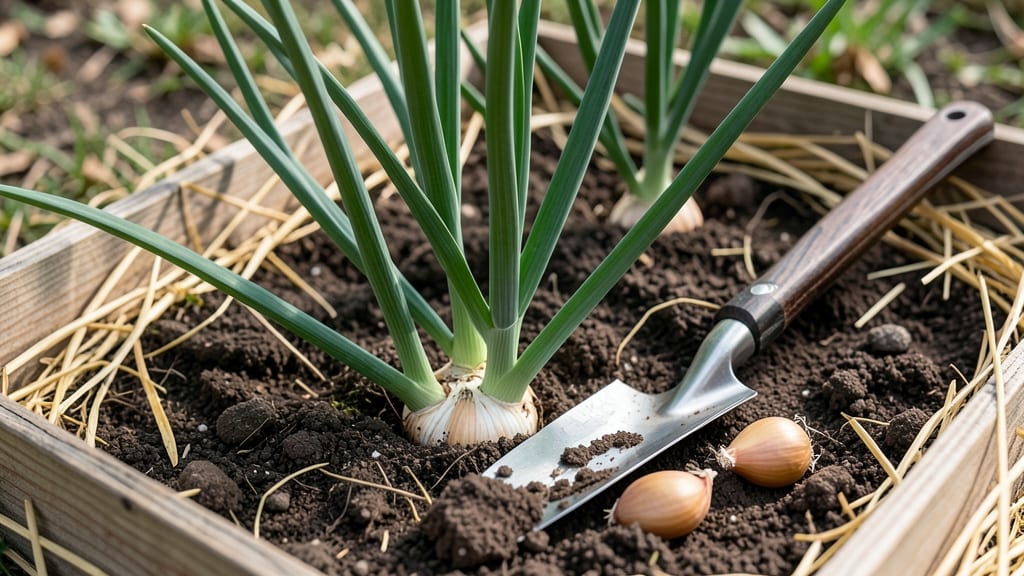
Planting garlic in North Carolina during the right fall window ensures strong roots and plump bulbs by next summer 🧄 — but timing is everything.
Miss that window, and you risk weak growth or even total failure. Whether you're in the Piedmont or the Coastal Plain, the clock starts ticking after Labor Day, and the window closes before the ground freezes.
I’ve learned the hard way that a late planting can leave your cloves struggling through winter.
This guide breaks down the exact weeks to plant in your hardiness zone, from 6a to 8b, plus soil prep tips to give your garlic the best start. No more guessing—just proven timing for a harvest you can count on.
You’ll also find out how to spot if you’ve planted too late, what to do if frost hits early, and the one mulching trick that keeps your garlic thriving through NC winters. Let’s get those cloves in the ground right.
Best fall planting dates for garlic in NC by hardiness Zone
North Carolina’s diverse climate—from the Coastal Plain to the Mountains—means garlic planting dates vary by USDA Zone. In Zone 7a (western NC), you’ll plant earlier than in Zone 8b (coastal areas).
The key? Planting 4-6 weeks before the ground freezes ensures strong root establishment before winter. For most of NC, this falls between mid-October and early November, but regional microclimates shift those windows.
Soil temperature is your best guide: aim for 50-60°F (10-15°C) at planting depth (4-6 inches). In Piedmont regions (Zones 7a-7b), this typically aligns with late October. Meanwhile, coastal gardeners in Zone 8a-8b may push planting into early November due to milder winters.
Cold snaps can stress young cloves, so avoid planting when nighttime temps dip below 40°F (4°C).
Here’s how NC’s regions break down for garlic planting:
In Zone 7a (e.g., Asheville), early planting in mid-October gives garlic time to establish roots before winter’s first freeze. Delaying past November 15 risks poor bulb formation. Meanwhile, Zone 8b gardeners (like those in Wilmington) can plant as late as early December, thanks to milder winters.
However, planting after December 1 reduces bulb size significantly.
Regional variations extend beyond zones. For example, elevated Piedmont gardens (like those in Chapel Hill) may experience earlier frosts than valley areas, so adjust planting dates 2-3 weeks earlier if your microclimate is colder.
Use a soil thermometer to confirm temperatures—this tool is worth its weight in gold for garlic success.
Don’t let late fall rains delay your planting. Garlic thrives in well-draining soil, and soggy conditions can rot cloves before they sprout.
If your soil is waterlogged, amend it with compost or coarse sand and plant in raised beds if needed. Mulch heavily (4-6 inches of straw) after planting to insulate cloves and prevent heaving during freeze-thaw cycles.
Pro tip: Hardneck varieties (like Music or Silverskin) perform best in NC’s colder zones (7a-7b), while softneck types (e.g., Artichoke) suit milder coastal areas. Choose varieties matched to your zone for optimal yields.
For example, Zone 8b gardeners should opt for softneck garlic, which matures slower and handles warmer winters better.
Missed the fall window? You can still plant garlic in late winter (February) for a summer harvest, but bulbs will be 30-50% smaller than fall-planted garlic.
This method works best in Zone 8a-8b where winters are mild. For most NC gardeners, though, fall planting is non-negotiable for the largest, most flavorful bulbs.
Mark your calendar now: October 15-November 15 is the sweet spot for most of NC. Use local frost dates as your guide, and don’t wait until the last minute—garlic needs time to root before winter sets in.
With the right timing, you’ll be harvesting plump, papery-skinned bulbs by next July!
How to prepare garlic cloves for fall planting in North Carolina
Preparing garlic cloves for fall planting in North Carolina is all about timing and technique. The key is selecting the right garlic varieties and ensuring they're properly cured and stored before breaking them into individual cloves.
This process maximizes bulb development and sets you up for a successful harvest the following summer.
Start by choosing hardneck or softneck garlic suited for NC’s climate. Hardneck varieties like Music or Chesnok Red thrive in colder zones, while softneck types like Silverskin work better in milder coastal areas. Once you’ve picked your variety, focus on curing and storing the bulbs correctly before planting.
Hang cured garlic bulbs in a dry, well-ventilated area for 2-4 weeks. This hardens the skins and prevents rotting after planting.
Keep bulbs in a cool, dark place (50-60°F) with good airflow. Avoid plastic bags to prevent mold.
Separate bulbs into individual cloves just before planting. Remove any damaged or sprouted cloves to ensure healthy starts.
For faster germination, soak cloves in lukewarm water for 12-24 hours before planting. This helps prevent rot in heavy clay soils.
Discard any cloves showing signs of mold or pests. Healthy cloves should feel firm and have intact papery skins.
When breaking bulbs, avoid using the largest cloves—they often produce fewer but larger bulbs. Instead, opt for medium-sized cloves for a more consistent harvest. If you’re planting in heavy clay soil, consider adding compost or sand to improve drainage.
Avoid common mistakes like planting green or sprouted cloves, which can lead to poor establishment. Also, never store garlic in the refrigerator, as the high humidity promotes mold growth. With proper preparation, your garlic will establish strong roots before winter and reward you with plump bulbs next summer.
Once your cloves are ready, plant them 4-6 inches deep and 6 inches apart in well-draining soil. Mulch heavily with straw to protect from freezing temperatures and retain moisture during NC’s mild winters.