
Plants
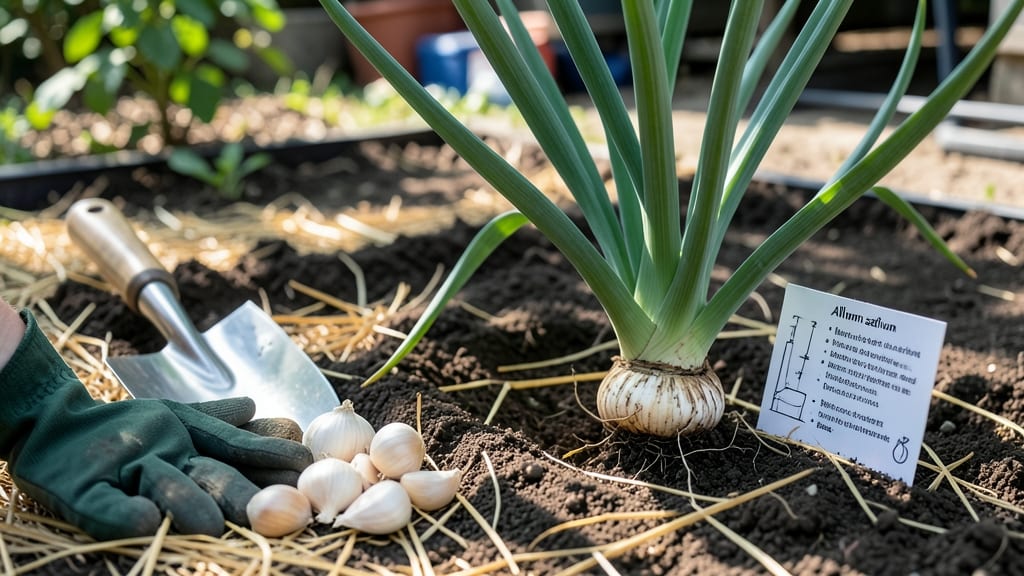
Plant garlic in Louisiana between mid-October and November to give the bulbs time to root before winter chill sets in—but miss that window, and you risk rot or stunted growth.
Louisiana’s humid climate and long growing season can turn garlic planting into a high-stakes game—plant too early and you risk rot, too late and your harvest suffers. Timing is everything for bulbs that rival your grocery store’s best.
Hardneck varieties need cooler temperatures to form cloves, while softneck types handle Louisiana’s mild winters better. The key? Planting 4-6 weeks before the first frost—usually by late October—ensures strong roots before winter dormancy kicks in.
Below, I break down the exact frost-free timeline for your USDA 8a-9b zone, how to adjust for early or late seasons, and the best varieties for Louisiana’s heat. Let’s get those 🧄 cloves in the ground the right way.
Louisiana garlic planting timeline: frost dates and hardneck vs softneck rules
Louisiana’s unique climate—where USDA Zones 8a-9b meet high humidity—demands precise garlic planting timing. Unlike northern states, your frost-free window stretches longer, but soil temperature and variety type still dictate success. Hardneck vs. softneck garlic behave differently, and a misstep can mean rotten cloves or stunted bulbs.
Most Louisiana gardeners aim to plant between mid-October and mid-November, but your exact window depends on whether you’re in northern Louisiana (Zone 8a) or southern Louisiana (Zone 9b).
The first frost typically arrives in early December in the north, while southern regions may see frost as late as January. Planting too early risks fungal diseases in soggy soil, while late planting may not give bulbs enough time to mature before summer heat.
Here’s the key rule: Plant garlic 4-6 weeks before your first expected frost. For northern Louisiana, that’s usually October 15–November 15. Southern gardeners can push planting into late November or even early December, but monitor soil temps—ideal planting soil is 50–60°F.
Use a soil thermometer to avoid guessing.
Hardneck and softneck garlic have different cold requirements. Hardnecks (like ‘Music’ or ‘German Red’) need vernalization—a period of cold—to form bulbs. Softnecks (like ‘Silverskin’ or ‘Creole’) are more flexible but still benefit from cooler temps.
In Louisiana’s mild winters, hardnecks may need extra chilling (store bulbs in the fridge for 4–6 weeks before planting).
Here’s how to adjust for early or late seasons: If you miss the ideal window, try January planting for a second crop, but use heat-tolerant varieties like ‘Creole’ garlic.
Mulch heavily with straw or pine needles to protect from summer heat. For early planting, cover beds with row covers if frost threatens prematurely.
| Factor | Northern Louisiana (Zone 8a) | Southern Louisiana (Zone 9b) |
|---|---|---|
| Ideal Planting Window | Mid-October–Mid-November | Late October–Early December |
| First Frost Date | Early December | Mid-January |
| Hardneck Variety | ‘Music’, ‘German Red’ (needs cold) | ‘Creole’ (heat-tolerant) |
| Soil Temp for Planting | 50–60°F | 50–60°F (warmer soil OK for softnecks) |
| Adjustment for Late Planting | Use row covers; expect smaller bulbs | Try January planting with mulch |
Hardneck garlic thrives in Louisiana’s cooler months but struggles with summer heat. If you plant in northern Louisiana, focus on ‘Music’ or ‘German Red’—these varieties need 40–60 days of cold to form bulbs.
In southern Louisiana, softnecks like ‘Silverskin’ or ‘Creole’ handle humidity better and can tolerate warmer soils. For hardnecks, pre-chill bulbs in the fridge for 4–6 weeks if your winter is too mild.
Soil prep is non-negotiable in Louisiana’s clay-heavy soils. Amend beds with 2–3 inches of compost and ensure well-draining conditions to prevent rot. Plant cloves 2 inches deep, 4–6 inches apart, with 6–8 inches between rows.
Use a light mulch (straw or pine straw) to retain moisture but avoid smothering plants.
Monitor your garlic through winter. If unexpected frost hits, cover beds with frost cloth or old blankets. In spring, remove mulch when shoots emerge (February–March). Reduce watering as bulbs mature—overwatering now causes splitting.
Harvest when lower leaves turn brown (April–May), but don’t wait too long or bulbs will shatter.
Pro tip: Louisiana gardeners often double their harvest by planting both hardneck and softneck varieties. Hardnecks give you scape shoots (young garlic greens) in spring, while softnecks store longer. Balance your beds: 60% hardneck for flavor and 40% softneck for storage.
🌱
5 Critical signs your Louisiana garlic planting timing is perfect (or wrong)
Getting your Louisiana garlic planting right starts with knowing the subtle clues your garden and climate give you. Unlike cooler regions, our humid subtropical zone demands precise timing—too early and your cloves rot, too late and your harvest shrinks. Here’s how to read the signs before you plant.
First, check your soil temperature. The ideal range for garlic is between 50–60°F. Use a soil thermometer to verify—if it’s warmer, wait; cooler, and you risk stunted growth. This is Louisiana’s secret weapon for avoiding the dreaded rot risk that plagues early fall plantings.
Next, pay attention to the moon phases. Planting during a rooting moon phase (when the moon is in Pisces, Virgo, or Capricorn) boosts root development. Check a lunar calendar—this old-school trick actually works in our climate because it aligns with natural moisture cycles.
- 🌡️ Soil temp reads 50–60°F (use a thermometer)
- 🌙 Planting aligns with a rooting moon phase (Pisces/Virgo/Capricorn)
- 🌰 Bulbs are firm, plump (avoid soft or shriveled cloves)
- 🌬️ Frost risk is 4+ weeks away (check NOAA’s Frost Prediction Tool)
- ☀️ Daylight is 10–12 hours (ideal for root establishment)
Don’t overlook bulb selection. Choose large, firm cloves (about the size of a grape) from hardneck varieties like ‘Creole’ or ‘Music’. Softneck types like ‘Silverskin’ work too, but hardnecks thrive better in our shorter winters. Avoid small or shriveled cloves—they won’t develop strong bulbs.
Use local frost risk tools to confirm your timing. The NOAA Frost Prediction Tool shows when your area’s last frost typically occurs. In Louisiana, this varies—North Louisiana may see frost by early December, while South Louisiana often escapes it entirely.
Plant 4–6 weeks before your local frost date for best results.
Finally, watch the daylight hours. When days shrink to 10–12 hours, garlic senses it’s time to bulb up. This happens naturally in late October to early November—perfect for Louisiana’s fall planting window. If you miss this, your harvest will suffer.
Master these signs, and you’ll grow garlic that’s plump, flavorful, and ready to harvest by spring. Skip them, and you’ll end up with bitter, undersized bulbs—or worse, a garden full of moldy cloves.