
Vegetables
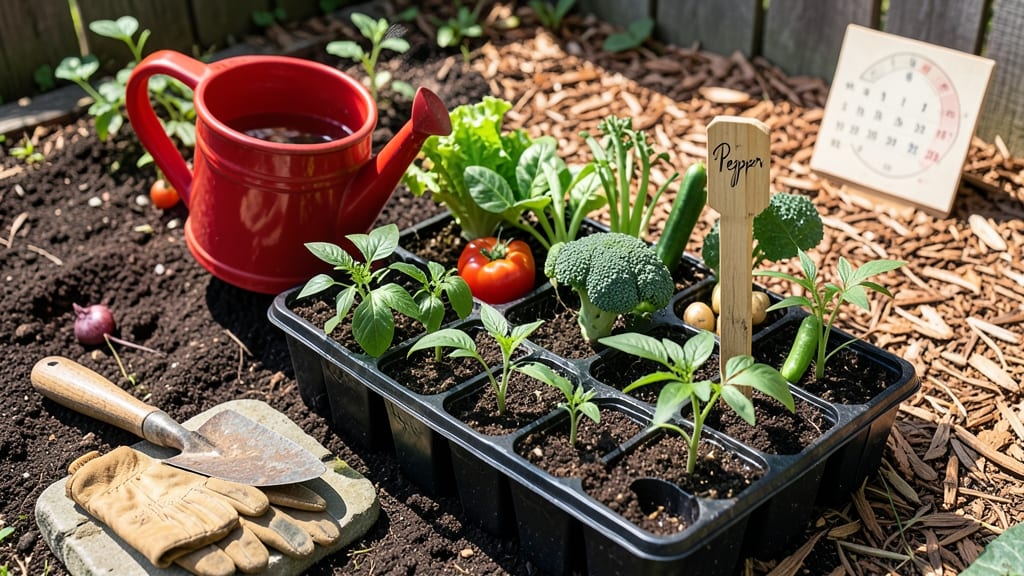
To plant vegetables in Delaware, time your seeds and transplants with the last frost date—typically around April 15—and adjust for cool- or warm-season crops.
Delaware’s unique climate—with its humid summers and unpredictable frost dates—can make or break your vegetable garden 🥕. Planting at the wrong time means wasted seeds or stunted crops, but timing it right guarantees a bountiful harvest.
Cool-season crops like spinach and peas thrive when planted 4-6 weeks before the last frost, while warm-season favorites such as tomatoes and peppers need to wait until 2-3 weeks after that date. Coastal areas may have slightly later frost dates, so always check local forecasts.
Below, I break down the best planting windows for every major vegetable type, plus tips for extending your growing season and adjusting for Delaware’s microclimates.
Delaware’s frost dates and best planting times by vegetable type
Understanding Delaware’s frost dates is the key to a thriving vegetable garden. The state’s average last frost typically falls between April 15–May 1, while the first frost usually arrives around October 15–November 1.
These dates create a 180-day growing season, perfect for both cool-season and warm-season crops if you time your plantings correctly.
Delaware’s climate—marked by humid summers and moderate winters—allows for a diverse range of vegetables. Cool-season crops like spinach and peas thrive in early spring and fall, while warm-season favorites such as tomatoes and peppers need the warmth of summer.
Even year-round options like kale and Swiss chard can stretch your harvests.
Here’s a breakdown of when to plant each type, based on Delaware’s frost dates and USDA zones 7a–7b. Use this guide to align your planting schedule with the ideal conditions for maximum yield and flavor.
For cool-season crops, start seeds indoors in early March or sow directly in the garden by March 15.
These plants tolerate light frosts and even thrive in cooler temperatures. Spinach and peas, for example, can handle temperatures down to 20°F, making them ideal for early spring or fall plantings.
Warm-season crops, however, need to wait until the soil warms to at least 60°F. This usually aligns with Delaware’s last frost date, so hold off until May 1–May 15 to plant tomatoes, peppers, and cucumbers.
These heat-lovers will reward you with robust growth and flavorful harvests if given enough warmth and sunlight.
If you’re aiming for a continuous harvest, consider succession planting. This technique involves sowing small batches of fast-growing crops like lettuce or radishes every 2–3 weeks from May through July. It ensures a steady supply of fresh produce without overwhelming your garden space.
Don’t overlook year-round crops like kale and Swiss chard, which can handle Delaware’s cooler months. Plant these in early spring or late summer for harvests that stretch well into fall—or even winter with protection. A simple row cover can extend their growing season by weeks.
Pro tip: Use Delaware State University Extension’s frost date maps for real-time updates, as coastal areas (like Rehoboth Beach) may experience later frosts than inland regions (like Wilmington). Adjust your planting schedule accordingly to avoid frost damage or wasted seeds.
By mastering these planting windows, you’ll transform Delaware’s growing season into a year-long harvest—from crisp spring greens to sun-ripened summer tomatoes. Happy planting! 🌱
How to adjust planting for Delaware’s microclimates and soil conditions
Delaware’s diverse geography creates distinct growing conditions that can drastically affect your vegetable garden. The coastal regions near Rehoboth and Lewes experience milder winters and cooler summers, while inland areas like Georgetown and Dover see more extreme temperature swings.
These microclimates can shift your planting schedule by 2-4 weeks for heat-sensitive crops like tomatoes or peppers.
Beyond temperature, Delaware’s soil varies dramatically—sandy soils in coastal areas drain quickly but lack nutrients, while clay-heavy soils inland retain moisture but can suffocate roots. Adjusting your approach based on these factors ensures healthier plants and higher yields.
For example, radishes thrive in sandy soil but bolt quickly in heat, while broccoli prefers cooler, clay-rich environments.
Urban gardeners and small-space growers face additional challenges, like limited soil volume in containers. These environments heat up faster and dry out quicker, requiring daily watering and lightweight potting mixes to prevent compaction.
Even a 5-gallon container can support tomatoes or peppers, but you’ll need to fertilize twice as often as in-ground plants.
If you’re near the coast, delay planting warm-season crops like cucumbers or squash until May 15 to avoid heat stress. Inland gardeners can start these 2 weeks earlier (April 30). For cool-season crops, coastal areas can plant spinach or lettuce as early as March 1, while inland spots wait until March 15 to avoid frost damage.
Soil prep is critical: Amend sandy soil with compost or peat moss to retain moisture, and improve clay soil with sand or perlite for better drainage. Test your soil’s pH—most vegetables prefer 6.0–7.0—and adjust with lime (to raise pH) or sulfur (to lower it).
For container gardening, choose fast-draining pots with drainage holes and use a mix of 50% potting soil and 50% perlite or coconut coir to mimic loose, aerated soil. Container plants also benefit from mulching with straw or shredded leaves to regulate temperature and conserve water.
If you’re growing herbs like basil or cilantro, place containers on castor wheels to move them between sun and shade as needed.
Pay attention to wind exposure, too. Coastal gardens often face salt spray, which can damage leaves. Use windbreaks like burlap screens or tall plants (e.g., sunflowers) to protect delicate crops.
Inland areas may experience hot, dry winds, so group plants with similar water needs together and water deeply in the early morning to reduce evaporation.
Finally, monitor local weather patterns. Use resources like the Delaware State Climate Office or University of Delaware Extension for real-time updates on frost risks and heatwaves. With these adjustments, you’ll maximize your garden’s potential—whether you’re growing in a backyard plot, raised beds, or balcony containers.