
Vegetables
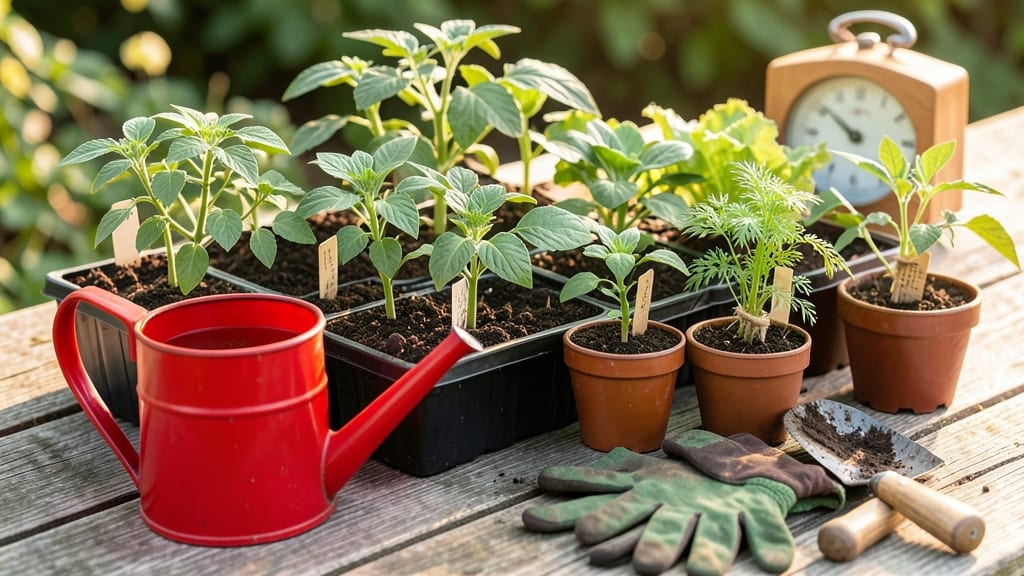
To plant vegetables in Colorado, time your seeds or transplants after the last frost—typically mid-April for the Front Range and late May in higher elevations like Zone 4.
Colorado’s unpredictable frost dates and diverse microclimates can turn gardening success into a high-stakes guessing game—plant too early, and your seedlings freeze; too late, and pests or heat ruin your harvest.
But with the right timing, you can grow thriving tomatoes, potatoes, and peppers year after year. The key is knowing your USDA zone, adjusting for microclimates, and choosing varieties that match your short growing season.
Below, I’ll break down frost dates by zone, the best vegetables for spring and fall planting, and how to stretch your season with row covers or succession planting—so you never miss a harvest again.
Colorado frost dates by USDA Zone: critical planting windows explained
Colorado’s USDA zones 4-7 create dramatic differences in frost timing, with high-altitude areas like the San Juans (Zone 4) facing 100+ days of frost-free season, while Front Range cities (Zone 6) enjoy 150+ days.
These variations mean your tomato seedlings in Denver might thrive when pepper plants in Grand Junction are just getting started.
To avoid frost damage, I always check local frost date averages from the Colorado Climate Center or Almanac—but remember, microclimates (like urban heat islands or sheltered valleys) can shift dates by 2-3 weeks.
For example, Fort Collins typically sees its last spring frost around May 15, while Durango holds onto frost until June 10.
Here’s how I break down Colorado’s critical planting windows by zone, including warm-season crops (like beans and squash) that need soil temperatures above 60°F and cool-season crops (such as kale and carrots) that tolerate light frosts:
For high-altitude gardens (like those in Zone 4), I recommend starting warm-season seeds indoors by March 15 to give them a head start.
In Zone 6-7 areas, you can often direct-sow beans and cucumbers by May 1, but always monitor soil temperatures—they need to stay above 60°F for 7+ days.
One of my biggest mistakes was planting tomato seedlings in Denver (Zone 6) too early in April—they wilted when late frosts hit. Now, I wait until May 15 for tomatoes and peppers, using <
Best vegetables to plant in Colorado by season: heat-tolerant vs. cool-season crops
Colorado’s short growing season and variable frost dates demand smart planning. The key is matching heat-tolerant varieties with summer’s warmth and cool-season crops with spring/fall’s milder temps.
For Zone 4-5 areas (like the Western Slope), focus on cold-hardy greens and root veggies, while Zone 6-7 (Front Range) gardeners can push summer crops like peppers and eggplants.
Timing is everything—plant cool-season crops like spinach and peas 4-6 weeks before your last frost date, while heat-lovers such as tomatoes and basil need soil temps above 60°F to thrive. My secret? Use succession planting for fast growers like lettuce, and opt for slow-bolting varieties in summer’s heat.
- Early Spring (March-April): Plant peas, spinach, kale 4-6 weeks before last frost. Zone 4-5: Wait until soil warms to 40°F+.
- Late Spring (May): Transplant broccoli, cabbage, onions. Start tomato/pepper seeds indoors for Zone 6-7 gardens.
- Summer (June-August): Plant heat-tolerant varieties like okra, sweet potatoes, malabar spinach. Use shade cloth for lettuce.
- Fall (September-October): Sow kale, radishes, turnips 6-8 weeks before first frost. Zone 4-5: Extend season with row covers.
For heat-tolerant crops, prioritize Colorado-adapted varieties like ‘Cherokee Purple’ tomatoes (thrive in 90°F+) or ‘NuMex Riot’ peppers, which handle dry heat better than standard types. Pair them with companion plants—basil near tomatoes deters pests, while marigolds repel nematodes in potato beds.
Cool-season stars include ‘Winter Density’ kale (survives 20°F) and ‘Early Wonder’ peas, which mature in 55 days. My trick? Plant succession crops every 2 weeks for continuous harvests. For example, sow radishes every 10 days in spring and fall—they’re ready in 30 days!
Don’t forget root vegetables like carrots and beets, which tolerate cooler temps but need loose soil to prevent forked roots. Amend clay soil with compost before planting. In Zone 6-7, extend summer harvests by planting ‘Black Seeded Simpson’ lettuce under shade cloth.
Finally, use Colorado’s elevation to your advantage. High-altitude gardens (6,000+ ft) have cooler summers—opt for shorter-day varieties like ‘Early Girl’ tomatoes (matures in 55 days) over longer-season types. For Zone 4-5, focus on cold-hardy greens and alliums like onions and garlic.