
Vegetables
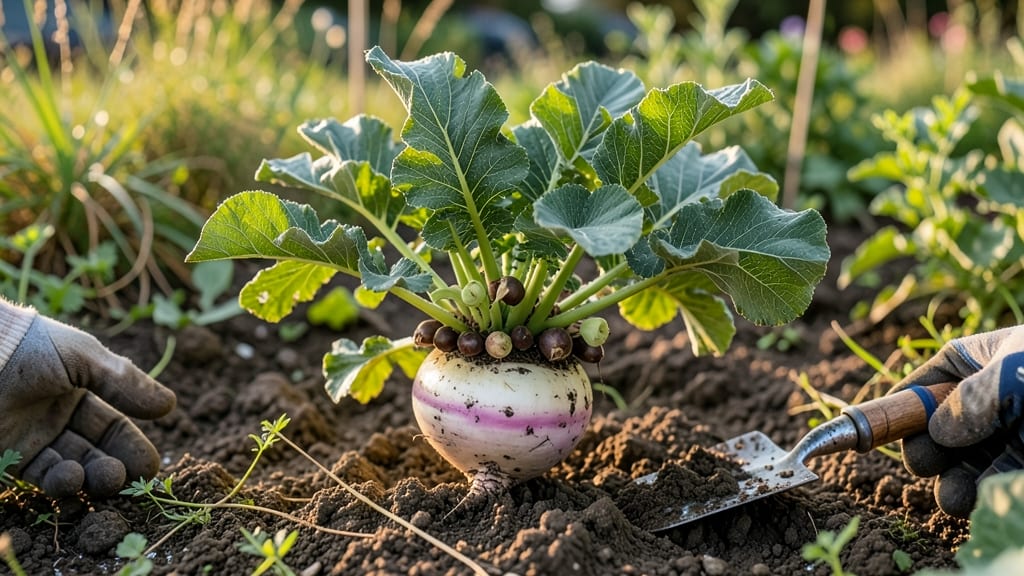
Planting turnips in Ohio at the right time means the difference between a fast, crisp harvest and bolting roots gone to seed before you even taste them.
Ohio’s unpredictable frost dates can make or break your turnip harvest—plant too early, and you risk bolting; too late, and you’ll miss the sweet, crisp roots. But with the right timing, you can enjoy homegrown 🥬 turnips in just 30-60 days!
Spring is the prime window, but Ohio’s USDA Zone 6a climate also allows for a late-summer planting that stretches your harvest into fall. The key is working with frost dates: aim for early March or late July, when soil temps hit 45°F and stay steady.
Below, I’ll break down the exact frost-date calendar, soil prep tips, and how to space plantings for a continuous supply—no more guessing, just reliable turnips from seed to table.
Ohio turnip planting calendar: frost dates & optimal windows
Ohio’s USDA Zones 5-6 create a unique challenge for turnip growers—last frost dates can vary by 2-3 weeks across the state. The average last frost date falls around April 15, while the first frost typically hits October 15.
These dates determine your two best planting windows: early spring and late summer.
Turnips thrive in cool weather and bolt quickly when temperatures exceed 75°F. Planting too early risks frost damage, while waiting too long means missing the 30-60 day harvest window. My strategy? Focus on two precise planting windows—spring and fall—that align with Ohio’s climate patterns.
Here’s the month-by-month breakdown for planting turnips in Ohio, including frost dates and soil temperature targets to maximize your harvest.
For spring planting, start seeds indoors 4-6 weeks before your last frost date (around February 15 for most of Ohio). Transplant seedlings outdoors 2 weeks before the last frost, or direct-sow seeds 1-2 weeks after frost risk has passed. Use row covers if planting early to protect tender seedlings.
If you’re in northern Ohio (Zone 5), aim for March 15-April 15 planting. In southern Ohio (Zone 6), you can push planting to April 15-May 1. The key is ensuring soil temperatures stay below 70°F—turnips bolt when it gets too warm.
My fall planting window is just as critical. Start seeds outdoors July 15-August 15 to ensure they mature before first frost. This window gives you crisp roots in September-October, perfect for fall meals.
If you live in high-altitude areas, like the Appalachian region, shift planting to July 1-August 10.
For succession planting, sow new seeds every 2-3 weeks during spring and fall windows. This staggered approach ensures a continuous harvest and prevents bolting from heat stress. For example, plant one batch on March 15, another on April 1, and a final batch on April 15.
Watch for soil temperature spikes—turnips grow best when soil stays between 45-65°F.
How to adjust turnip planting for Ohio’s microclimates
Ohio’s diverse landscapes—from urban rooftops in Columbus to rural fields in Appalachia—create unique growing conditions for turnips. Microclimates can shift frost dates by weeks, so adapting your planting strategy is key.
Urban areas often experience heat islands that delay spring planting, while high-altitude regions like Hocking Hills may see earlier frosts. Let’s break down how to tailor your approach for consistent harvests.
Start by testing your soil’s drainage and temperature. Turnips thrive in well-draining soil with temperatures above 40°F. In urban gardens, raised beds warm up faster, while rural areas may need row covers to protect seedlings. High-altitude spots? Plant 2-3 weeks later than lowland regions to avoid late frosts.
- 🌱 Urban Gardens: Plant March 15-April 1 in raised beds with row covers for early protection.
- 🌿 Rural Areas: Sow April 1-May 1 after soil reaches 50°F; use black plastic mulch to retain heat.
- ⛰️ High-Altitude: Delay until May 1-June 1; choose fast-maturing varieties like 'Purple Top White Globe'.
- 🌡️ Soil Prep: Amend with compost to improve drainage; aim for pH 6.0-7.0.
- 🌱 Succession Planting: Sow every 2 weeks until July 15 for staggered harvests.
For succession planting, stagger sowings every 10-14 days to ensure a steady supply. In urban containers, use smaller varieties like 'Tokyo Cross' and plant in 5-gallon pots with drainage holes.
Rural gardeners can afford wider spacing (4 inches apart) for easier harvests, while high-altitude growers should prioritize compact varieties to fit shorter seasons.
Watch for bolting risks in late spring. If temperatures rise above 75°F, provide afternoon shade with shade cloth or plant in partial shade. Mulch heavily with straw or grass clippings to keep roots cool and soil moist.
In fall, aim for a September 1-October 1 planting window to harvest before frosts hit.
Extend your season with cold frames or low tunnels. These protect seedlings from late frosts and allow fall plantings into early October. Just ensure ventilation to prevent rot. In urban areas, consider vertical gardening with trellises to maximize space for turnip greens, which are edible even after roots mature.
Finally, rotate crops annually to prevent disease. Turnips are heavy feeders, so replenish nutrients with compost or aged manure before replanting. With these microclimate adjustments, you’ll enjoy crisp, homegrown turnips from spring through fall—no matter where you garden in Ohio! 🥬