
Vegetables
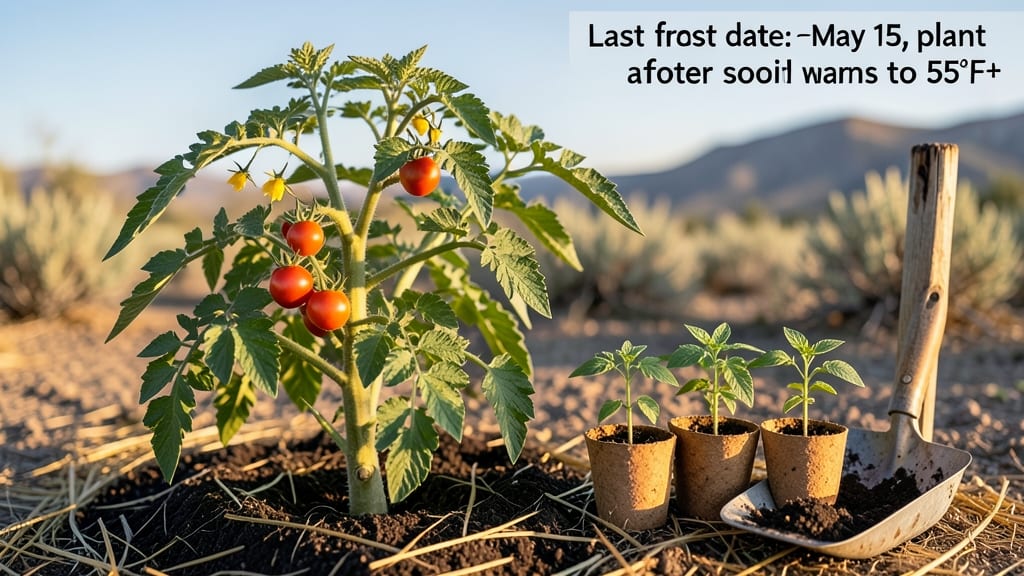
Planting tomatoes in Utah at the right time means the difference between a bountiful harvest and a sad, frost-nipped vine.
Utah’s unique climate—hot summers, cold winters, and unpredictable spring frost—can make tomato gardening a hit-or-miss affair. But timing your planting right based on soil temperature can turn your Utah garden into a high-yield tomato powerhouse.
Most Utah gardeners aim for mid-April to early June after the last frost, but soil warmth is the real game-changer. If you plant too early, your tomatoes will languish in cold soil, slowing growth and inviting disease. Get it right, and you’ll see faster sprouts, stronger roots, and more fruit.
Here’s how to pinpoint the perfect window for your region, from Salt Lake City’s valleys to the high desert, plus pro tips to stretch Utah’s short season for bigger yields.
Utah’s ideal soil temperature for planting tomatoes (and when to check)
Getting your tomato planting timing right in Utah isn’t just about avoiding frost—it’s about soil temperature. Tomatoes need warm soil to germinate and thrive, and Utah’s microclimates (like the Salt Lake Valley vs. rural areas) create big differences in when your garden is truly ready.
I’ve learned the hard way that planting too early—even after the last frost—can stall growth or invite disease. Let’s break down the critical soil temps and how to check them like a pro.
For tomato seeds, soil should be at least 50°F (10°C) to start germinating. But if you’re transplanting seedlings, wait until the soil hits 60°F (15.5°C)—this warmth signals roots to grow vigorously and sets your plants up for faster, healthier growth.
In Utah, this often means waiting until late April or early May in the Salt Lake Valley, but rural areas (like Cache Valley) can be ready weeks earlier due to faster warming.
Why soil temp matters more than air temp: Cold soil slows germination, weakens seedlings, and stresses plants. I once planted tomatoes in 55°F soil in early April, and my seedlings took three weeks to sprout—while my neighbor’s (planted in 65°F soil) were up in 7 days. The difference? Black plastic mulch warmed her soil faster, but even without it, timing is everything.
Here’s how Utah’s regions typically align with soil warming (but always check your own garden!):
- Salt Lake Valley: Soil hits 60°F by mid-May
- Southern Utah (St. George): Ready by early April (warmer microclimate)
- Northern Utah (Logan, Cache): Late April to early May
| Stage | Soil Temp Threshold | Utah Timing (Avg.) | Tools to Check |
|---|---|---|---|
| Direct Seeding | 50°F+ (10°C+) | Mid-April (Southern Utah) to late April (Valley) | Soil thermometer, finger test |
| Transplanting Seedlings | 60°F+ (15.5°C+) | Late April (rural) to mid-May (Valley) | Soil thermometer, mulch test |
| Fall Planting | 60°F+ (15.5°C+) | Late July to early August | Soil thermometer, row covers |
To check your soil temperature, a soil thermometer is the gold standard—just insert it 2 inches deep in the morning (soil temps fluctuate less then). But if you don’t have one, try the finger test: Stick your finger in the soil. If it feels warm but not hot (like a lukewarm bath), it’s likely in the 60°F range. Cold soil will feel chilly, and hot soil (above 80°F) will be too intense to hold your finger comfortably.
Utah’s high desert areas (like near Moab) warm up faster than valleys, but they can also overheat in summer. If your soil hits 85°F+, your tomatoes may struggle to set fruit—so mulch with straw or wood chips to regulate temps.
I’ve seen gardens in St. George fail because the soil was too hot for seedlings, even though the air felt perfect.
Pro tip: Black plastic mulch can add 5–10°F to soil temperature in just days. Lay it down 1–2 weeks before planting to warm the soil faster. I use it every year in my Salt Lake City garden to shave off critical weeks of waiting.
Just remember to remove it in fall to avoid overheating roots later in the season.
Don’t rely solely on last frost dates—they’re a starting point, but soil temperature is the real decider. In Utah, frost can pass, but cold soil will still stall your tomatoes. I’ve had May frosts in the mountains, so I always cross-check both air temps and soil temps before planting.
When in doubt, wait a few more days—your tomatoes will thank you with bigger, healthier fruit.
For extra peace of mind, check the USU Extension’s Utah Climate Center for your local growing degree days. It’s a nerdy tool, but it’s saved my garden from late-season surprises more times than I can count.
And if you’re planting in containers, soil warms up faster—so monitor them closely, especially in cooler areas.
🌱Best planting windows in Utah by region (Salt Lake City, Southern Utah, Northern Utah)
Utah’s diverse geography—from the high desert of Southern Utah to the valleys of Salt Lake City and the cooler Northern Utah regions—means no single planting schedule fits all. Elevation changes and microclimates shift last frost dates by weeks, while heatwaves can scorch young plants if you’re too early.
Mastering these regional windows ensures your tomato plants thrive without frost damage or summer stress.
For Salt Lake City, aim for mid-April to early May for transplants, once soil hits 60°F+. Southern Utah’s lower elevations (like St. George) can start 2-3 weeks earlier, while Northern Utah (e.g., Ogden, Logan) often waits until late May due to colder springs.
Fall planting? Try late July to early August for a second harvest before frost.
Why the 2-3 week difference between regions? Southern Utah’s desert climate warms faster, while Northern Utah’s higher elevation delays soil thaw. Check USU Extension’s frost maps for your exact location—even a 500-foot elevation gain can push frost back by 10 days.
Pro tip: Use black plastic mulch to raise soil temps by 5–10°F in cooler zones.
For transplants, wait until nighttime temps stay above 50°F—cold snaps after planting can stunt growth.
Start seeds indoors 6–8 weeks before your region’s last frost to give seedlings a head start. Heat-loving varieties like ‘Solar Fire’ thrive in Southern Utah’s heat, while cool-tolerant types like ‘Mountain Merit’ suit Northern Utah’s shorter seasons.
Don’t forget fall planting! Utah’s second growing window (July–August) lets you squeeze in a late harvest. Choose determinate varieties (bush types) for faster maturity, and use row covers to protect from early October frosts.
With the right timing, you’ll enjoy homegrown tomatoes from June through October—no grocery store in sight!
🌱