
Vegetables
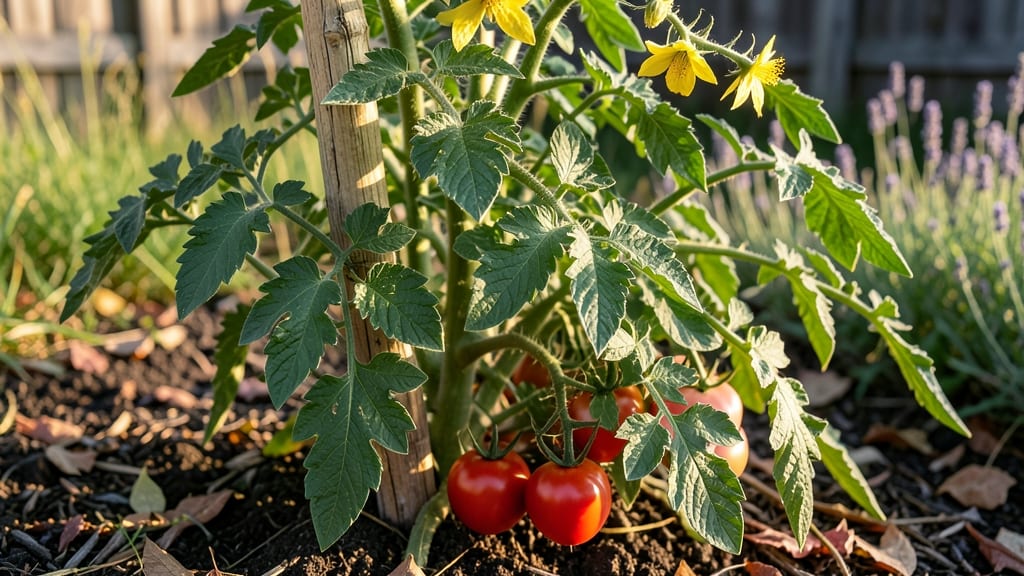
Growing old German heirloom tomatoes means rediscovering flavors lost to modern varieties—bold, striped fruit that sweeps you back to 19th-century kitchens. 🌱 These aren’t your average tomatoes; they’re heirlooms with deep pink-and-yellow stripes, meaty flesh, and a sweet-tart punch that keeps you reaching for more. What makes them special?
They thrive in cooler climates where most tomatoes struggle, producing hearty 8-ounce fruits even when nights dip below 60°F. The secret to their success lies in patience and the right conditions: rich, well-draining soil, full sun (at least 6 hours daily), and a head start indoors 6-8 weeks before your last frost.
Unlike hybrid varieties, these tomatoes need sturdy cages or trellises—their vines can sprawl 6 feet wide if left unchecked. I’ve grown them in Zone 5 gardens where other tomatoes wilt, and the payoff? A harvest that tastes like summer, even in early fall.
Once planted, focus on consistent moisture (1-2 inches per week) and pruning suckers to boost airflow. The striped beauty emerges as the fruits ripen, and the flavor? Unmatched—less watery, more complex than store-bought. Pair them with fresh basil or crisp lettuce for a taste of old-world gardening.
These tomatoes aren’t just a plant; they’re a living piece of history. Save seeds from your best fruits to pass down, or swap with fellow gardeners. The key to preserving their legacy? Plant more than you need—you’ll want to share.
📚 In This Guide
- What you need
- Instructions
- Tips and common mistakes
- Wrapping up and next steps
What you need
- ● Seeds: 5–10 heirloom tomato seeds (German varieties like Striped Roman or Brandywine—check seed packets for cool-climate suitability).
- ● Seed-starting mix: 2–3 cups of sterile, well-draining potting soil (avoid garden soil—it’s too dense!).
- ● Growing containers or garden plot: Containers: 5-gallon pots (1 per plant) with drainage holes.
- ● Garden beds: Full sun (6+ hours/day) and loose, fertile soil (amend with compost if needed).
- ● Fertilizer: Balanced organic fertilizer (e.g., 5-5-5 or compost tea) for transplanting and blooming stages.
- ● Support system: Cages (5–6 ft tall) or stakes (6+ ft) for indeterminate varieties.
- ● Planting tools: Small hand trowel, pruning shears, and a watering can (or hose with gentle spray).
- ● Mulch: Straw or shredded leaves (2–3 inches) to retain moisture and deter weeds.
- ○ Row covers: Frost cloth (optional, for early starts in cool climates).
- ● Pruning gloves: To protect hands during thorny tasks (some heirlooms are prickly!).
- ● Epsom salt (1 tbsp per plant during flowering for calcium/magnesium boost).
- ● Copper tape or wire mesh to deter slugs/snails (common in damp climates).
- ● pH test kit (ideal soil pH: 6.0–6.8 for tomatoes).
How to grow bold striped German heirloom tomatoes in cool climates
These dramatic striped varieties reward patience with stunning fruit—but only if you follow their cool-weather needs.
🌱 Step 1: Start Seeds Indoors 8-10 Weeks Before Last Frost
German heirloom tomatoes like 'Striped Roman' or 'Black Krim' need a long growing season, so begin seeds indoors under grow lights or in a sunny window. Fill 2-3 inch deep seed trays with sterile seed-starting mix and sow seeds ¼ inch deep. Keep soil consistently moist but never soggy—these varieties hate damping-off.
Place trays on a seedling heat mat set to 75-80°F to speed germination, which typically occurs in 7-14 days. Once sprouts appear, move them to a south-facing window or under lights for 14-16 hours daily. Watch for leggy growth—if seedlings stretch toward light, raise the lights or rotate pots weekly to prevent bending.
☀️ Step 2: Harden Off and Transplant After All Frost Risk Passes
Two weeks before your last frost date, begin hardening off seedlings by placing them outside in partial shade for 1-2 hours daily. Gradually increase exposure over 7-10 days, ending with full sun. Choose a transplant site with 6-8 hours of direct sun—these tomatoes tolerate cooler temps better than most, but they still need warmth to ripen fruit.
Transplant after nighttime temperatures stay above 50°F. Bury stems ⅔ deep to encourage strong root systems, and space plants 24-36 inches apart in rows 3 feet apart. Water deeply at transplanting to settle soil around roots, then mulch with 2-3 inches of straw to retain moisture and regulate soil temperature.
💧 Step 3: Water Deeply and Fertilize for Bold Striped Fruit
German heirloom tomatoes need 1-2 inches of water weekly, delivered at soil level to avoid wetting leaves (which spreads disease). Water in the morning so foliage dries by evening. These varieties produce dramatic striped fruit when given consistent moisture—let soil dry slightly between waterings, but never to the point of wilting.
Fertilize with a balanced organic fertilizer (like 5-5-5) at planting, then side-dress with compost mid-season. Prune suckers regularly to focus energy on fruit production, and stake or cage plants to support heavy vines. The striped pattern develops best with balanced growth—avoid over-fertilizing nitrogen, which promotes leafy growth at the expense of fruit.
✂️ Step 4: Protect and Harvest for Maximum Flavor
Cool climates often mean slower ripening, so protect plants from late-season frosts with row covers or cold frames. Harvest fruit when fully colored but still slightly firm—German heirlooms like 'Striped Aegean' ripen unevenly, so check plants every 2-3 days in late summer. The bold stripes intensify as fruit matures, so leave some on the vine longer for dramatic color.
Store unripe tomatoes at room temperature to finish ripening, and refrigerate only after full ripeness. These heirlooms store well for 2-3 weeks when kept cool but not cold. Save seeds from your best fruit—German heirlooms often improve with each generation when grown in your specific climate.
Tips & tricks for growing stunning striped German tomatoes
These cool-climate varieties demand precision—but master these tricks and you'll get fruit so dramatic they'll look like edible art.
Lighting Strategy: For Step 1, if you don't have grow lights, place trays on a sunny windowsill facing south. The 14-16 hours daily light requirement is critical—supplement with a cheap LED bulb if natural light falls short. I've seen seedlings stretch toward weak light and become spindly; that's your cue to add artificial light immediately. The goal is compact, sturdy plants that won't flop later.
Temperature Watch: Maintain that 75-80°F heat mat temperature consistently. I learned this the hard way—fluctuations below 70°F can delay germination by weeks. Use a small thermometer to monitor soil temps, especially if your home runs cool. The 7-14 days germination window is flexible, but cooler temps push it to the longer end. Patience pays off with stronger seedlings.
Transplant Timing: Don't rush the hardening off process in Step 2. Those 1-2 hours daily increments over 7-10 days are non-negotiable for cool-climate varieties. I once transplanted hardened-off seedlings too quickly, and they bolted from the stress. Start with morning sun exposure and gradually extend to afternoon—your plants will thank you with vigorous growth after transplanting.
Frost Protection: In Step 4, when nighttime temps dip near 50°F, have row covers ready. These German varieties tolerate cooler temps better than most, but they still need protection when frost threatens. I've used lightweight fabric covers that let sunlight through while trapping warmth—essential for extending your harvest season by weeks. The 2-3 days between harvest checks becomes more critical as summer winds down.
Pro Tips for Old German Heirloom Tomato
- These cool-climate varieties demand precision—but master these tricks and you'll get fruit so dramatic they'll look like edible art.
- Lighting Strategy: For Step 1, if you don't have grow lights, place trays on a sunny windowsill facing south.
- Temperature Watch: Maintain that 75-80°F heat mat temperature consistently.
Frequently asked questions
Got questions about growing and enjoying old German heirloom tomatoes?
You’re not alone! Here are some of the most common queries—plus expert answers to help you cultivate and savor these bold, striped beauties like a pro.
What’s the best temperature range for growing old German heirloom tomatoes?
These cool-climate champions thrive in 55–85°F (13–29°C) during the day and above 50°F (10°C) at night. They tolerate light frosts better than most tomatoes but avoid planting until soil warms to 60°F (15°C). If your spring is chilly, use row covers or start seeds indoors 6–8 weeks before the last frost.
How long does it take for old German heirloom tomatoes to mature?
Expect 80–90 days from transplant to harvest, depending on your climate. Early varieties may ripen sooner in warm regions, while cooler areas might push maturity to 100+ days. Pro tip: Use black plastic mulch or straw to warm soil faster and speed up growth.
Can I grow old German heirloom tomatoes in containers?
Choose 5-gallon containers or larger with drainage holes, and use a lightweight potting mix amended with compost. Dwarf or indeterminate varieties (like ‘Black Krim’) work best. Place containers in full sun (6+ hours/day) and stake or cage plants to support their weight. Bonus: Container-grown tomatoes ripen faster due to warmer soil!
What can I do if my heirloom tomatoes crack?
Cracking (radial or concentric) happens when tomatoes grow too fast after inconsistent watering. Prevent it by:
- Watering deeply and consistently (1–2 inches per week).
- Avoiding overhead sprinklers (keep foliage dry).
- Mulching with straw or grass clippings to retain moisture.
Are there any disease-resistant alternatives to old German heirloom tomatoes?
While heirlooms like ‘German Pink’ or ‘Striped Roman’ aren’t disease-resistant, try these cool-climate-friendly hybrids for fewer pests:
- ‘Mountain Merit’ (resistant to verticillium wilt and fusarium).
- ‘Defiant PhR’ (tolerates late blight and cracking).
- ‘Siletz’ (early ripener, crack-resistant).
Wrapping up and next steps
Old German heirloom tomatoes like the bold Striped Aroma aren’t just a taste of history—they’re a celebration of flavor, resilience, and tradition.
Whether you’re drawn to their striking stripes, cold-hardy nature, or rich, tangy-sweet taste, these tomatoes prove that heirlooms are worth the effort. Now’s your chance to grow your own slice of German gardening heritage!
🌱 Your Next Step: Plant & Preserve
Ready to dive in? Start by gathering your supplies—then share your harvest (or bloopers!) with the gardening community. Tag us @GardenEnthusiast and let’s grow together! 🍅✨