
Vegetables
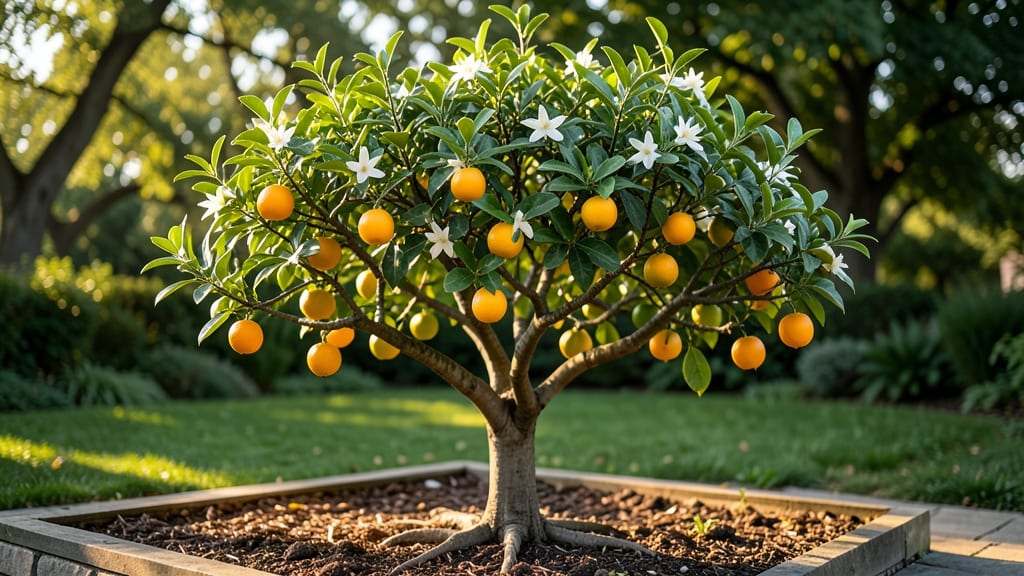
Growing green mandarin oranges—specifically kumquats—from scraps in water is one of those gardening hacks that feels like magic. 🌱 I’ve regrown these tart little citrus gems from grocery store peels, and within weeks, they’re sending out roots and tiny leaves that smell like sunshine and spice.
The beauty of this method is that you skip soil entirely at first, making it perfect for small spaces or impatient gardeners. All you need is a glass of water, a bright windowsill, and patience—no fancy equipment or green thumbs required.
These plants thrive in containers, so even apartment balconies become citrus gardens. Once rooted, your kumquat will reward you with bright green fruit you can eat straight off the tree (peel and all—it’s the best part!).
They’re hardy, drought-tolerant once established, and even handle light frosts better than full citrus trees. The first harvest might take a year, but the journey is half the fun. Whether you’re growing for the novelty of citrus indoors or planning an outdoor grove, this method works year-round in zones 8-11.
Let’s get those scraps growing!
📚 In This Guide
- What you need
- Instructions
- Tips and common mistakes
- Wrapping up and next steps
What you need
- ● Green mandarin orange: 1-2 ripe, organic or pesticide-free fruits (the fresher, the better!)
- ● Sharp knife or pruning shears: For clean cuts (sterilize with rubbing alcohol if possible).
- ● Clear glass or jar: 8–16 oz (240–475 mL) size, with a narrow neck (mason jars work great!).
- ● Filtered or room-temperature water: Enough to submerge ~1 inch of the stem.
- ● Rubbing alcohol (70% isopropyl): 1 small bottle (for sterilizing tools).
- ● Patience & sunlight: A sunny windowsill (4–6 hours of indirect light daily).
- ○ Rooting hormone: Gel or powder (speeds up root growth—optional but handy!).
- ● Small pebbles or marbles: 3–5 pieces (to weigh down the cutting and keep it submerged).
- ● Humidity dome or plastic wrap: Helps maintain moisture while roots form.
- ● pH test strips: To monitor water acidity (ideal range: 5.5–6.5 for citrus).
- ● Notebook & pen: Track water changes, root growth, and progress!
Step-by-step instructions for regrowing green mandarin oranges in water
Here's how to turn scraps into a thriving citrus tree—no soil required.
🌱 Step 1: Select and Prep Your Mandarin Orange Scrap
Choose a green mandarin orange that still has a few inches of stem attached—this is your future tree. Rinse the fruit gently under cool water to remove any sugar residue or stickiness, then let it dry completely on a paper towel. The cleaner the surface, the less chance of mold or rot later.
Using a sharp knife, trim the stem down to about 3-4 inches from the fruit. Make a clean cut just below a leaf node where new growth appears. Remove any fruit from the stem completely—leaving it on will attract pests and rot the water. Here's the thing—you want the stem to look fresh, like it was just cut from the tree, not wilted or dried out.
💧 Step 2: Create the Water Propagation Station
Fill a small glass or jar with about 2-3 inches of room-temperature water. Use filtered or distilled water if possible—tap water with chlorine can stress the cutting. Place the trimmed stem in the water so that only the bottom 1 inch is submerged, leaving the rest exposed to air. This mimics natural conditions and prevents rot.
Change the water every 3-4 days to keep it fresh. You'll notice tiny bubbles forming along the submerged stem—that's a good sign! These bubbles indicate root growth starting. Keep the container in a spot with bright, indirect light (like an east-facing window) but avoid direct sun, which can overheat the water and stress the cutting.
☀️ Step 3: Monitor and Encourage Root Growth
After about 2-3 weeks, you'll see small white or yellowish roots emerging from the submerged stem. These roots will grow longer and thicker over time—wait until they reach at least 1-2 inches before transplanting. Don't rush this step; patience here means a stronger, healthier tree later.
If the water level drops, top it off with fresh water but avoid submerging more of the stem. You'll also notice new leaves forming at the top—this is your plant's way of telling you it's thriving. Here's where it gets fun: once roots are established, you can transplant to soil, but many growers keep their mandarin trees in water indefinitely for easy care.
🪴 Step 4: Transition to Soil (Optional)
When roots are 2-3 inches long, it's time to move your cutting to soil if you want a traditional potted tree. Fill a small pot (about 6 inches wide) with well-draining potting mix. Make a hole in the center, then carefully remove the cutting from water, gently rinsing off any root debris.
Place the cutting into the hole, firming soil around the base but not packing it down. Water lightly to settle the soil, then place the pot in a spot with bright, indirect light for the first week. Keep the soil consistently moist but not soggy—citrus trees hate wet roots. You'll see new growth within a few weeks, signaling your tree is adapting well.
⏰ Step 5: Maintain Your Growing Tree
Once established, your mandarin tree will need 4-6 hours of sunlight daily and regular watering when the top inch of soil feels dry. Fertilize lightly every 2-3 months with a balanced citrus fertilizer to encourage fruit production. Here's the key: citrus trees are slow growers, so don't expect fruit for at least 2-3 years, but the journey is worth it.
Prune any dead or yellowing leaves as they appear, and rotate the pot occasionally so the tree grows evenly. If you kept it in water, continue changing the water every 3-4 days and fertilize monthly with a water-soluble citrus nutrient. Either way, you're growing a living piece of art—and eventually, fresh fruit!
Tips & tricks for regrowing mandarin orange scraps
Real talk: Turning a simple orange scrap into a thriving tree takes more than just patience—it's about understanding the little details that make all the difference. Here's what nobody tells you about keeping your citrus cutting happy and healthy.
Cutting Selection: Look for stems with at least 2-3 leaf nodes—these are the growth points where new roots and leaves will sprout. The thicker the stem (about pencil-width), the better chance it has of surviving. I've tried thin stems, and they often rot before roots form. Confession: I skipped this step for years and wondered why my cuttings kept failing.
Water Quality Matters: Tap water with chlorine can actually stunt root growth, so filtered or distilled water is ideal. If you must use tap water, let it sit out uncovered for 24 hours first to allow chlorine to evaporate. I learned this the hard way after my first cutting showed almost no root growth—turns out the chlorine was the culprit all along.
Root Growth Timeline: Those 2-3 weeks until you see roots might feel like forever, but don't rush it! Roots need time to establish a strong network before transplanting. I've seen cuttings with tiny white roots after just 10 days, but they often fail when transplanted too soon. Wait until roots reach 1-2 inches—they'll be thick enough to handle the transition.
Lighting Strategy: Bright, indirect light is key—think of it like giving your cutting a gentle sunbath. A south-facing window with sheer curtains works perfectly. I made the mistake of placing mine in direct sunlight, and the water overheated, causing the stem to brown. If you don't have ideal lighting, a simple grow light on a timer for 4-6 hours daily will work wonders.
Pro Tips for Green Mandarin Orange
- Real talk: Turning a simple orange scrap into a thriving tree takes more than just patience—it's about understanding the little details that make all the difference.
- Cutting Selection: Look for stems with at least 2-3 leaf nodes—these are the growth points where new roots and leaves will sprout.
- Water Quality Matters: Tap water with chlorine can actually stunt root growth, so filtered or distilled water is ideal.
Frequently asked questions
Got questions about growing green mandarin oranges from scraps? You’re not alone! Here are some of the most common queries—plus quick, easy answers to help you succeed.
Can I grow a green mandarin orange from any scrap, or does it need to be a specific part?
You’ll have the best luck using the top of a green mandarin orange (about 1–2 inches) with a few leaf nodes. Avoid the bottom, as it may rot in water. For extra success, choose a scrap with at least 2–3 leaves still attached!
How long does it take for green mandarin orange scraps to root in water?
Patience is key! Most scraps show roots in 2–4 weeks, but some take up to 6 weeks. Keep the water fresh (change every 3–4 days) and place the jar in bright, indirect light to speed up the process.
When should I transplant the rooted scrap into soil?
Once you see 1–2 inches of healthy roots, it’s time to move your cutting to soil. Wait until the roots are dense but not overcrowded—usually after 4–6 weeks in water. Use a well-draining potting mix and keep the soil lightly moist.
Why isn’t my green mandarin orange scrap rooting? Troubleshooting tips?
No roots? Check these fixes:
- Water issues: Use room-temperature water (not tap water if it’s chlorinated—let it sit 24 hours first).
- Light problems: Move the jar to a sunny windowsill (avoid direct scorching sun).
- Rot risk: If the scrap turns mushy, trim off the bad part and start fresh with a clean cut.
Still stuck? Try adding a pinch of cinnamon to the water—it’s a natural antifungal!
Can I grow green mandarin oranges indoors year-round?
These citrus trees thrive indoors with 4–6 hours of sunlight daily (a south-facing window or grow light works). Just keep the soil moist (not soggy) and fertilize lightly every 2–3 months with citrus-specific food.
Wrapping up and next steps
Growing a green mandarin orange from scraps is a rewarding journey that brings fresh, vibrant citrus to your home—without soil or fancy tools! 🌱 Whether you’re a beginner or a plant enthusiast, this method proves that sustainability starts with small, scrappy steps.
Now that you’re armed with tips and troubleshooting know-how, why not give it a try today? Grab a leftover peel, a jar of water, and let nature do the rest—your future tree (and taste buds) will thank you!
🌟 Ready to Grow? Take the Next Step!
- 📎 Save your scraps—next time you enjoy a green mandarin, set aside the peel for propagation.
- 🌱 Start small—even a single cutting can turn into a thriving plant with patience.
- 📸 Share your progress—tag us or fellow gardeners to inspire others!