
Vegetables
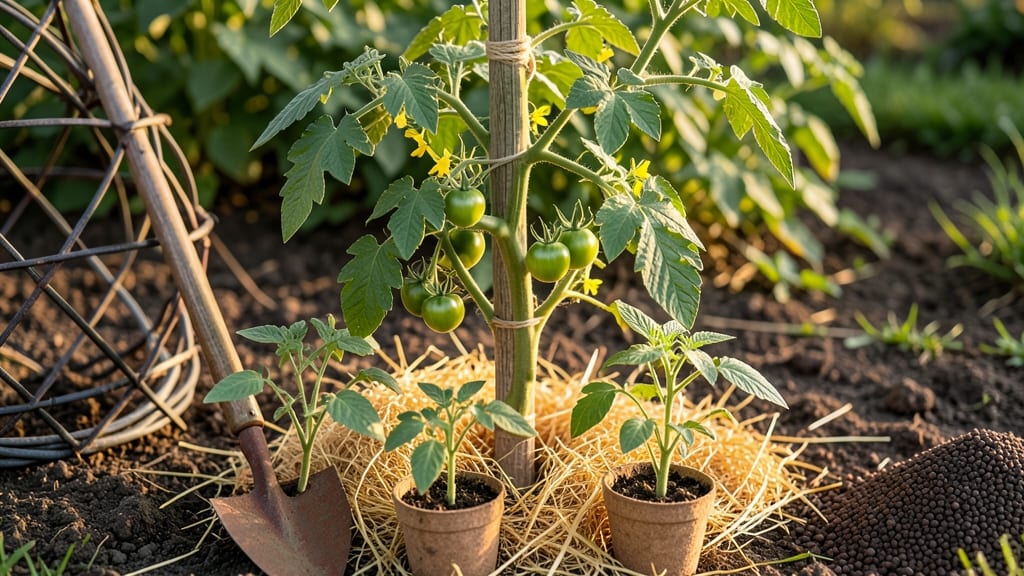
Plant tomatoes in Oklahoma between mid-April and early June for a summer harvest, or late July to early August for a fall crop — timing is everything in our 6b-8a climate.
Oklahoma’s unpredictable climate can make tomato gardening a challenge—but timing your plantings correctly ensures a bountiful harvest before summer’s brutal heat sets in. Miss the window, and you’ll risk stunted growth or even crop failure.
Most gardeners here start seeds indoors by March 1 to transplant after the last frost, which typically hits mid-April in northern Oklahoma and early April in southern regions. For direct sowing, wait until soil temperatures hit 60°F—a must for strong root development.
Below, I’ll break down the best planting windows by variety, how to adjust for late frosts or early heat, and the top heat-tolerant tomatoes that thrive in Oklahoma’s sweltering summers.
Oklahoma’s frost-free planting zones and best months for tomatoes by variety
Oklahoma’s diverse climate—from the cooler northern panhandle to the sweltering southern plains—means your tomato planting timeline should vary by USDA zones 6b-8a.
The state’s last frost dates range from mid-March in northern counties like Beaver to early April in Oklahoma City, while southern regions like Lawton and Tulsa may see frost-free conditions by late February. Soil temperature is just as critical as air temperature; tomatoes need at least 60°F (15°C) to thrive.
For most gardeners, the primary planting window spans from mid-April to early June, but Oklahoma’s heat can be brutal by July.
That’s why many experienced growers also plant a fall crop in late July to early August for a second harvest before the first frost hits in October. Heat-tolerant varieties like ‘Solar Fire’ or ‘Arkansas Traveler’ are ideal for these late plantings.
Here’s how Oklahoma’s three main regions—North (6b-7a), Central (7b-8a), and South (8a-8b)—differ in their frost-free timelines and best planting strategies:
| Region | Last Frost Date | First Planting Window | Fall Planting Window | Soil Temp Threshold | Best Varieties |
|---|---|---|---|---|---|
| North (6b-7a) | Mid-April | Late April–May 15 | Late July–early August | 60°F (15°C) | ‘Celebrity,’ ‘Better Boy,’ ‘Mountain Merit’ |
| Central (7b-8a) | Early April | Mid-April–May 10 | Late July–August 1 | 60°F (15°C) | ‘Solar Fire,’ ‘Arkansas Traveler,’ ‘Early Girl’ |
| South (8a-8b) | Late March | Early April–April 30 | Early July–July 15 | 60°F (15°C) | ‘Heatmaster,’ ‘Floradade,’ ‘Sunmaster’ |
*Varieties listed are heat-tolerant and disease-resistant for Oklahoma’s climate.
If you’re starting tomatoes indoors for transplants, begin seeds 6-8 weeks before your region’s last frost date.
For northern Oklahoma, that means sowing seeds by early March, while central and southern gardeners can start slightly later, around mid-to-late March. Transplant seedlings outdoors only after hardening them off for 7-10 days and ensuring nighttime temperatures stay above 50°F (10°C).
For direct sowing, wait until soil temperatures consistently reach 60°F (15°C)—a soil thermometer is your best tool here.
In northern Oklahoma, this often aligns with mid-to-late May, while southern regions can direct-sow as early as early April. Staggered plantings every 2 weeks can extend your harvest season, ensuring you enjoy tomatoes from June through October.
Oklahoma’s first frost dates vary just as widely as the last frost, with northern areas facing frost by mid-October and southern regions holding off until early November.
This means your fall-planted tomatoes should be harvested by late September to mid-October before cold snaps arrive. Choose fast-maturing varieties like ‘Early Girl’ or ‘Stupice’ for these late plantings—they can go from seed to harvest in as few as 55-60 days.
One critical mistake Oklahoma gardeners make is planting too early, especially in cooler northern zones. Tomatoes grown in cold soil develop blossom-end rot or stunted roots.
Always check soil temperature with a thermometer before planting, and avoid working wet soil, which compacts and suffocates roots. Amend soil with compost to improve drainage and add organic matter for nutrient-rich growth.
Pro tip: Use black plastic mulch or straw mulch to warm the soil faster in spring and retain moisture during Oklahoma’s scorching summers. This simple trick can shave 1-2 weeks off your planting timeline and boost yields by up to 20%.
Pair it with drip irrigation to deliver water directly to roots and avoid fungal diseases like early blight, which thrives in Oklahoma’s humid summers.
Finally, keep an eye on NOAA’s long-range forecasts for late spring and early summer. If a heatwave is predicted, opt for shade cloth or row covers to protect young plants.
Oklahoma’s climate is unpredictable, but with the right timing and variety selection, you can enjoy homegrown tomatoes from June to October—no matter where you garden in the state.
How to adjust planting dates for Oklahoma’s unpredictable weather patterns
Oklahoma’s weather can swing from freezing nights to scorching afternoons in a single week, making tomato planting a high-stakes game of timing. The key to success? Flexibility—using tools like row covers and cold frames to protect young plants while extending your harvest window.
Even a 10-day shift in planting can mean the difference between a thriving garden and a wilting disappointment.
Don’t rely solely on last frost dates—check the NOAA 90-day forecast for your region. For example, northern Oklahoma’s Panhandle may see frost as late as April 15, while southern Oklahoma City averages March 20.
Use this data to stagger plantings every 2 weeks for a continuous harvest. I’ve learned the hard way that planting all my tomatoes at once leaves me vulnerable to both late frosts and early heatwaves.
- Start seedlings indoors 6-8 weeks before last frost (late January for southern OK, early March for northern). Use grow lights to ensure strong seedlings.
- Hardening off seedlings 1 week before transplanting—place them outside for 2 hours daily, increasing time each day. This builds heat tolerance for Oklahoma’s summer.
- Use row covers (floating or hoop-style) to protect seedlings from late frosts (28°F) and extend early planting by 3-4 weeks. Remove covers when plants flower to allow pollination.
- Cold frames or mini greenhouses can push planting dates back by 4-6 weeks. Monitor soil temps—tomatoes need 60°F+ to thrive.
- Stagger plantings every 2 weeks after last frost for a continuous harvest. For example, plant early varieties in April, mid-season in May, and heat-tolerant types in June.
- Fall planting is a secret weapon: sow seeds or transplant late July to early August for a harvest before first frost (mid-October). Choose determinate varieties for quicker maturity.
- Monitor NOAA forecasts weekly. If a heatwave is predicted, prioritize shade cloth (30-50%) and mulch to retain moisture.
One of my biggest tomato gardening wins came from listening to local extension office alerts. When they predicted a hard freeze in early April, I covered my seedlings with row fabric and used black plastic mulch to warm the soil faster.
The result? A 2-week head start on my neighbors—and tomatoes ready for market by early June.
For fall harvests, focus on heat-tolerant varieties like ‘Solar Fire’ or ‘Heatmaster.’ Plant these late July to early August and use drip irrigation to keep roots cool.
I once grew 12 pounds of tomatoes from a single plant using this method—proof that Oklahoma’s short growing season can still deliver big rewards with the right adjustments.
Don’t forget to prune suckers and stake plants as they grow. In Oklahoma’s windy conditions, unsupported tomatoes can split or crack from sudden storms. I use tomato cages with trellis extensions to keep plants upright and improve airflow, reducing disease risk like early blight.
Your planting schedule should also account for soil prep timing. Test your soil in early spring and amend with compost or aged manure 4-6 weeks before planting.
In Oklahoma’s clay-heavy soils, adding sand or perlite improves drainage, which is critical for tomato root health during our long, hot summers. 🌱