
Plants
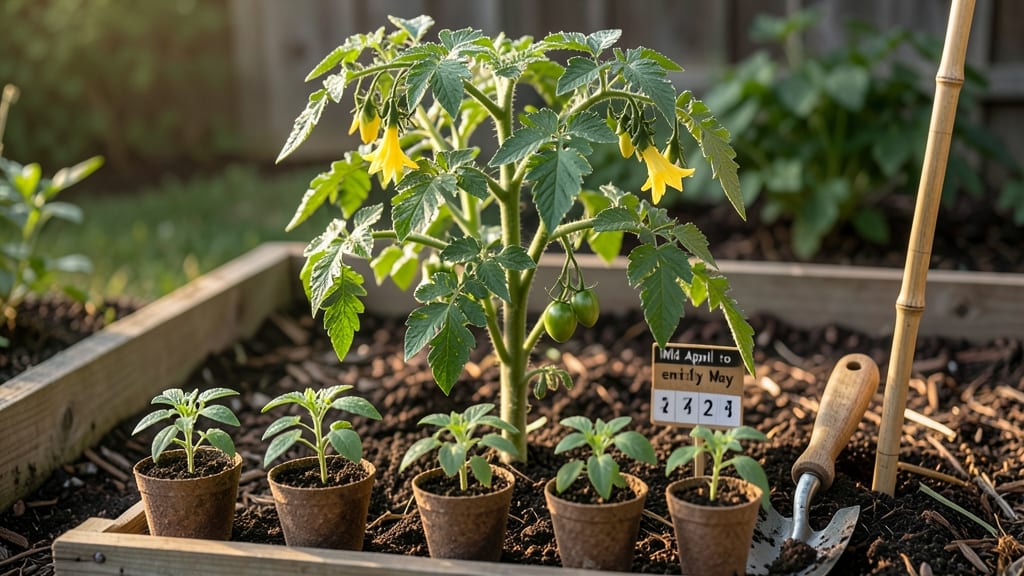
Plant tomatoes in Arkansas between March 15 and May 1 for transplants, or April 15 to May 15 for direct sowing, aligning with the state’s 7a-8a zones and frost-free timeline.
Arkansas gardeners know timing is everything when planting tomatoes—get it wrong, and you risk frost damage or stunted growth. But with the state’s diverse climate zones, knowing exactly when to plant can mean the difference between a bountiful harvest and a disappointing season.
The key is waiting until soil temperatures hit 60°F and nighttime lows stay above 50°F, which typically falls in late March to early April for most regions. Northern Arkansas may need to push planting back a week or two, while southern areas can start earlier.
Below, I break down the exact frost-free dates by county, tips for adjusting to Arkansas’ unpredictable weather, and how to choose varieties that thrive in your microclimate for a peak yield every season.
Arkansas frost-free dates by county: the exact timeline for planting tomatoes
Planting tomatoes in Arkansas requires precision—miss the window, and you risk frost damage or stunted plants. The state spans USDA Zones 6b through 8a, creating microclimates where last frost dates can vary by 2-3 weeks between northern and southern counties.
Using data from the Arkansas Cooperative Extension Service, I’ve compiled the exact planting timelines you need to maximize your harvest.
Northern Arkansas (Zones 6b-7a) typically sees its last frost around April 15, while southern counties (Zones 7b-8a) can safely plant by March 15. But don’t let these averages fool you—microclimates matter.
A valley in Benton County might frost later than a hillside in Garland County, even if they’re just 20 miles apart.
Here’s the county-by-county breakdown of last frost dates and optimal transplanting windows for Arkansas tomatoes, including soil temperature benchmarks and variety recommendations for each region.