
Vegetables
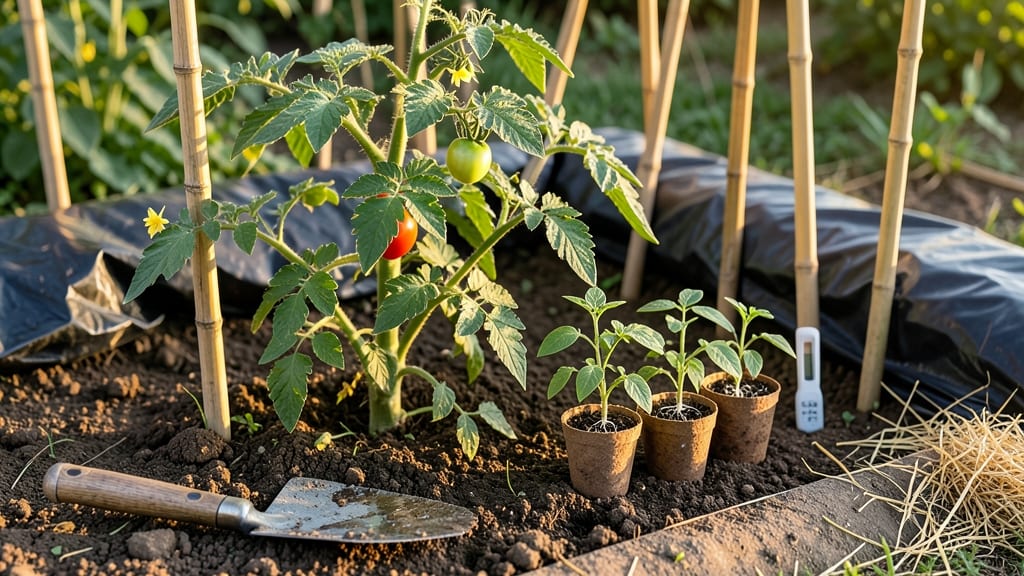
Plant tomatoes in Arizona between late January and early March for spring harvests, or opt for fall plantings in August to avoid summer’s brutal heat.
Here’s the catch: Arizona’s 9b climate means frost can linger until January 10, while daytime temps soar to 100°F by May. Miss the window, and you’re left with either leggy seedlings or fruit that never sets.
But don’t let the heat scare you off. The right timing—paired with heat-tolerant varieties like ‘Heatmaster’ or ‘Solar Fire’—lets you grow juicy tomatoes year-round without wilting vines or empty cages.
In this guide, I’ll break down the exact months to plant by region (Low Desert, High Desert, and Mountains), share soil prep secrets for desert conditions, and reveal the one trick that keeps fruit setting even when temps hit 110°F.
Arizona tomato planting calendar: exact months for best harvests
Arizona’s diverse climate zones mean your tomato planting timeline depends heavily on where you live. The Low Desert (Phoenix, Tucson) has the longest growing season, while High Desert (Prescott, Sedona) and Mountain Regions (Flagstaff) face cooler temperatures and earlier frosts.
Understanding these differences is key to avoiding blossom drop or stunted growth from heat stress.
For Low Desert gardeners, the ideal window stretches from mid-February to early April for spring transplants, while fall planting can begin as early as late July to harvest before winter.
In contrast, High Desert areas should wait until late March to May for spring, with fall options opening in early August. Mountain regions have the shortest season, typically May to July for summer crops only.
Here’s the non-negotiable rule: Never plant tomatoes when soil temperatures dip below 60°F. Cold soil stunts root growth, while above 90°F causes blossom drop. Use a soil thermometer to check—this simple tool saves hours of frustration.
In the Low Desert, where summer temps routinely hit 110°F, focus on heat-tolerant varieties like 'Heatmaster' or 'Solar Fire'. These can handle 95°F+ days without wilting, but even they’ll need afternoon shade during peak heat.
Start seeds indoors in January for transplants by mid-February, or buy sturdy seedlings from local nurseries.
For High Desert gardeners, the shorter season demands faster-maturing varieties. Aim for 60-70 day tomatoes like 'Early Girl' or 'Stupice' to harvest before September’s first frost. Begin seeds indoors in March and harden off seedlings by late April—this gives roots time to establish before summer’s intensity.
The Mountain Regions present the biggest challenge due to their short growing season. Here, container gardening with heat-loving varieties like 'Cherry Tomato' (70-day harvest) is your best bet. Plant in late May when soil warms to 65°F, and use black plastic mulch to absorb heat and speed up ripening.
Pro tip: Use shade cloth (30-50%) during June-August to protect plants from blossom drop. This simple trick can double your yield by preventing heat stress. Pair it with drip irrigation to keep roots cool and moisture consistent—never water overhead in the heat.
Remember, Arizona’s monsoon season (July-August) brings sudden downpours. If planting in fall, choose disease-resistant varieties like 'Mountain Merit' to avoid fungal issues from humidity spikes. Harvest before October’s first frost, or protect plants with row covers if you’re in a cooler zone.
Timing isn’t just about months—it’s about soil temperature, heat tolerance, and local microclimates. Check your USDA Zone (9b-11) and adjust accordingly. With the right schedule, you’ll enjoy homegrown tomatoes from spring to fall—no matter where in Arizona you garden.
Top 5 heat-tolerant tomato varieties for Arizona gardens
Arizona’s brutal summer heat can fry most tomato varieties, but these heat-tolerant champions thrive under the desert sun. I’ve grown them in my Phoenix garden, and they consistently deliver juicy, flavorful fruit even when temps hit 110°F+.
The key? Choosing varieties bred for high-temperature resilience and pairing them with smart growing strategies.
These five varieties are my top picks for Arizona gardens, each offering unique advantages like disease resistance, early fruiting, or prolonged harvests. Whether you’re in the Low Desert or High Desert, these will outperform standard tomatoes in your USDA Zone 9b climate.
Heatmaster is my #1 recommendation for Arizona gardens—it’s a determinate variety that produces dense clusters of 1-inch red tomatoes even when temps soar. I planted mine in late February and harvested until October, with minimal blossom drop. Its heat tolerance comes from its ability to set fruit quickly before the worst summer heat arrives.
For something different, try Solar Fire, a cherry tomato that bursts with sweet, sun-ripened flavor. This indeterminate variety grows 6+ feet tall, so I use cattle panels as trellises to save space. It handles 100°F+ temps better than most tomatoes and produces year-round in Arizona’s mild winters.
Arkansas Traveler is a heirloom favorite that surprised me with its heat resilience. While it’s not as prolific as hybrids, its deep red, beefsteak tomatoes are worth the effort. I plant it in deep containers with compost-rich soil and provide afternoon shade during July/August to prevent sunscald.
Don’t overlook Solar Set, a disease-resistant hybrid that produces medium-sized red tomatoes perfect for sauces. Its compact growth makes it ideal for container gardening, and it handles drought conditions better than most varieties. Pair it with basil and marigolds to repel pests naturally.
Finally, Mountain Merit is a High Desert specialist that thrives in cooler mountain regions but still handles 95°F+ temps with ease. Its large, meaty tomatoes are perfect for slicing, and it’s highly resistant to cracking—a common issue in Arizona’s unpredictable monsoon rains.
I plant mine in raised beds filled with well-draining soil to prevent waterlogging.