
Plants
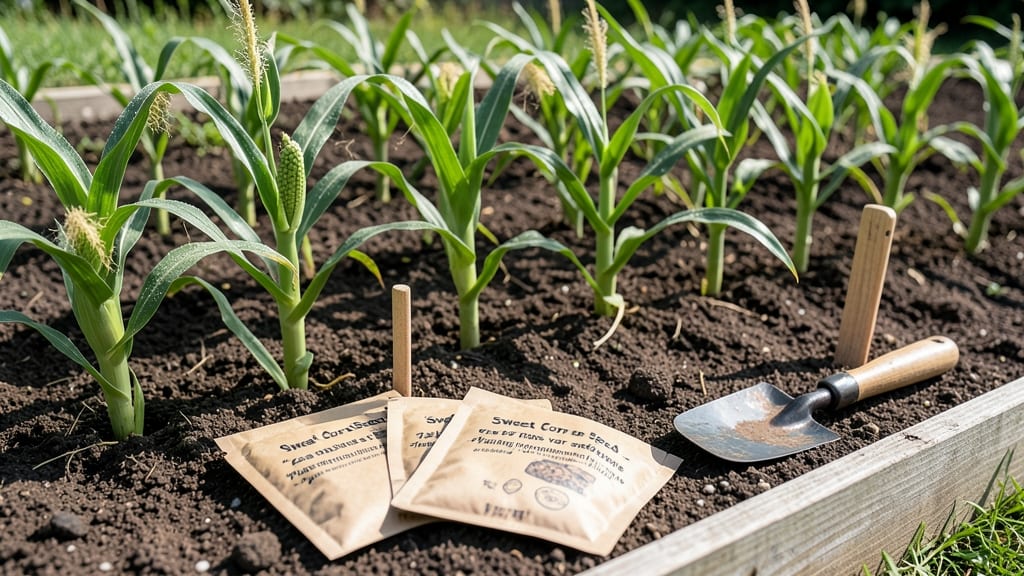
Plant sweet corn in Minnesota when soil temperatures hit at least 50°F and all frost risk has passed — typically mid-May for most of the state, but earlier in southern regions like Zone 5b.
Minnesota gardeners know sweet corn 🌽 loves warmth—but planting too early risks frost, while waiting too long shortens the harvest season. Timing is everything for juicy, plump ears in Zone 3-4 climates.
This guide breaks down the exact planting windows by region, soil prep secrets to speed up warming, and how to stretch your season with heat-loving tricks like black plastic mulch and row covers.
You’ll learn which early-maturing varieties thrive in Minnesota’s short season, how to space seeds for maximum yield, and when to fertilize for sweet, tender kernels by midsummer.
Minnesota sweet corn planting calendar: exact dates by Zone 3 & 4
Sweet corn thrives in Minnesota's short but sweet growing season, but timing is critical. In Zone 3 (northern MN), like Duluth or International Falls, you have a 140-day frost-free window, while Zone 4 (southern MN), including Minneapolis and Rochester, enjoys 150 days.
Planting too early risks frost damage, while waiting too long shortens harvests—especially for early-maturing varieties.
Use last frost dates as your guide, but also monitor soil temperatures, which should reach at least 50°F (10°C) before planting. Corn seeds won't germinate below this threshold, even if air temperatures are warmer. In unpredictable Minnesota springs, having backup planting dates is a gardener's best friend.
📅 PRIMARY PLANTING WINDOWS:
- Zone 3: May 15–June 1 (primary) | June 15 (backup)
- Zone 4: May 1–May 15 (primary) | June 1 (backup)
These dates align with average last frost dates but account for late-season varieties needing extra time.
For Zone 3 gardeners, prioritize early-maturing varieties like 'Ambrosia' (70 days) or 'Peaches and Cream' (75 days). These finish before the first frost in late September. In Zone 4, you can stretch to 85-day varieties like 'Silver Queen' or 'Country Gentleman' for a later harvest.
Always test your soil temperature with a soil thermometer—corn seeds need warmth to sprout. If temperatures dip below 50°F for more than a week, delay planting. Black plastic mulch can warm soil by 5–10°F, giving you an extra 1–2 weeks of planting flexibility.
Pro tip: Plant a mix of early, mid, and late varieties to extend your harvest. For example, sow 'Early Sunglow' (65 days) in early May, then add 'Bodacious' (85 days) in late May. This ensures continuous corn production from July through September.
If spring is unusually cold, consider starting seeds indoors 2–3 weeks before the last frost. Use biodegradable pots and transplant seedlings when soil warms. Just be sure to harden them off for 7–10 days to avoid transplant shock.
Remember: Corn needs space—plant seeds 1 inch deep and 12 inches apart in rows 30–36 inches apart. Thin seedlings to 8–12 inches apart once they're 6 inches tall to prevent overcrowding and disease.
🌽 KEY TAKEAWAY: Minnesota's short growing season demands precision. Use last frost dates, soil temperature, and variety maturity as your guide. With the right timing, you'll enjoy juicy, homegrown corn from July through September!
5 Heat-loving tricks to extend Minnesota's corn growing season
Minnesota's short growing season can make sweet corn challenging, but with the right tricks, you can push your harvest window by weeks. The key is creating warmth and protection for those heat-loving plants while they establish roots.
I've tested these methods in my Zone 4a garden, and they consistently add 10-14 days to my corn's growing season.
Start with soil warming—corn needs soil temps above 50°F to germinate. In cold springs, I use clear plastic tunnels over my beds for 2-3 weeks before planting. This simple trick raises soil temps by 5-10°F, giving seeds the boost they need to break dormancy faster.
Lay black plastic 2-3 weeks before planting to warm soil 10-15°F higher. Remove before planting to avoid overheating seeds.
Use floating row covers until plants reach 6 inches. They protect from late frosts while allowing sunlight and water through.
Plant beans or peas nearby—they fix nitrogen and provide shade for young corn on hot afternoons.
Use mini cold frames for early starts. They trap heat during the day and protect overnight, extending the season by 2-3 weeks.
Plant every 2 weeks after the first planting. Use fast-maturing varieties (60-70 days) for continuous harvests.
My favorite trick is combining black plastic mulch with row covers. I lay the plastic down in early May, then plant seeds through slits when soil hits 55°F.
Once shoots emerge, I add the row covers until plants hit 6 inches tall. This combo has given me 3 weeks of frost protection in my coldest springs.
Don't overlook companion planting—it's a game-changer for Minnesota gardens. I always plant bush beans alongside my corn. The beans fix nitrogen in the soil while their vines provide shade that keeps young corn from bolting in sudden heat waves.
Plus, the beans mature faster, giving me an early harvest while the corn grows.
For late-season extensions, I've had great success with cold frames over my tallest varieties. These simple PVC frames with plastic sheeting add 5-7°F of warmth and protect against early fall frosts. I harvest my last ears in early October using this method, when neighbors are already pulling their plants.
Remember, consistency is key. Combine these tricks with proper watering—corn needs 1-2 inches per week—and you'll transform Minnesota's short season into a corn lover's paradise. My garden now produces 20% more ears than when I first started using these heat-loving hacks! 🌽