
Plants
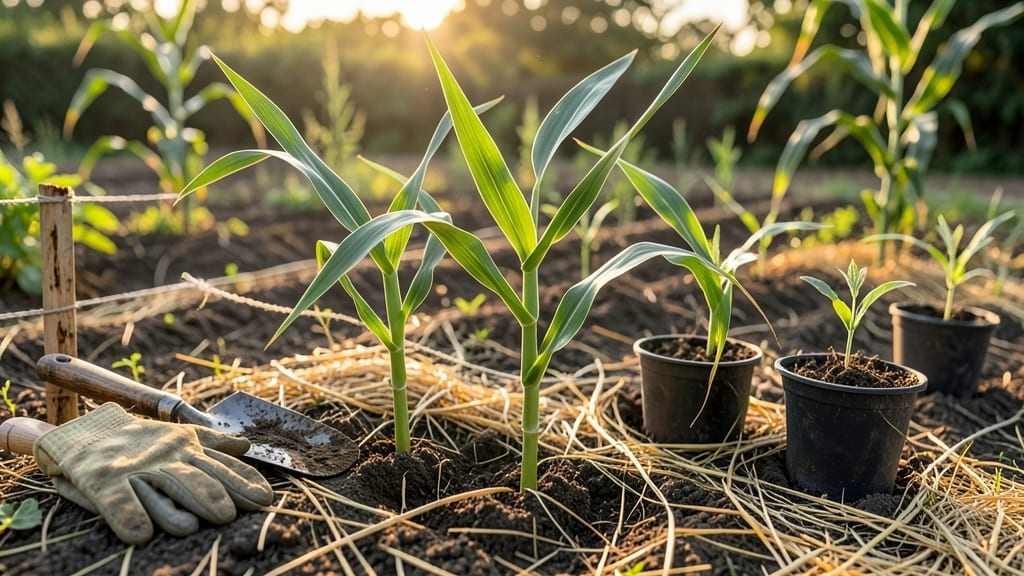
Planting sweet corn in Kentucky after the last frost date and when soil hits 60°F is the key to avoiding stunted ears and wasted effort.
Sweet corn thrives in Kentucky’s warm summers—but planting it too early or late can mean poor yields or even failed crops. Timing is everything, and missing the ideal window could leave your garden empty-handed by harvest season.
Most gardeners in USDA zones 6a-7a wait until mid-April to early May, but soil temperature and local frost patterns can shift that window by weeks. I’ll walk you through the exact dates, how to adjust for Kentucky’s unpredictable weather, and which varieties play best in your yard.
You’ll learn how to read your soil, pick the right corn for your microclimate, and avoid the three biggest mistakes that turn sweet dreams into bitter harvests.
Kentucky sweet corn planting dates by frost zone & variety type
Kentucky’s USDA frost zones 5a-7a create distinct planting windows for sweet corn. Miss the ideal window, and you risk frost damage or heat stress—especially with early-maturing varieties that need precise timing.
The key is planting when soil warms to 60°F+ and 2 weeks after the last frost, which varies by zone.
Northern Kentucky (zones 5a-6a) has shorter growing seasons, so focus on 80-90 day varieties like ‘Silver Queen’ or ‘Peaches and Cream.’ Southern zones (6b-7a) can handle 100-110 day varieties like ‘Ambrosia’ or ‘Country Gentleman,’ giving you more flexibility for succession planting.
Here’s your zone-by-zone planting guide, including ideal dates for early, mid, and late varieties to maximize yields and avoid common pitfalls like frost damage or heat stress.
For zone 5a, stick to early varieties like ‘Silver Queen’—they mature in 85 days, giving you a harvest before late summer heat sets in. Zone 6a-6b gardeners can experiment with succession planting every 2 weeks for continuous harvests, while zone 7a offers the most flexibility with late varieties like ‘Temptation.’
Pro tip: Use a soil thermometer to confirm 60°F+ soil temps before planting. Cold soil delays germination and invites fungal diseases. In zone 5a, consider starter kits or greenhouse starts to extend your season.
Watch for late spring frosts, especially in zone 5a-6a. If frost threatens after planting, cover seedlings with frost cloth or a row cover until danger passes. Zone 7a gardeners can push boundaries with fall planting (late July) for late-season harvests before the first frost.
Heat stress is another risk—late-maturing varieties in zone 7a may struggle if planted after mid-May. Opt for shade cloth during extreme heat or choose heat-tolerant varieties like ‘Ambrosia.’
🌽 Key takeaway: Kentucky’s frost-free window is tight, so align your variety choice with your zone. Early zones need speedy maturers; southern zones can afford longer seasons. Always plant after the last frost and before soil overheats.
How to adjust planting for Kentucky’s unpredictable weather patterns
Kentucky’s weather can be as unpredictable as a spring storm—one day warm and sunny, the next with a late frost that can wipe out tender seedlings. Sweet corn, in particular, needs consistent warmth to thrive, making timing critical.
If you plant too early, frost will kill your crop; too late, and you might miss the harvest window entirely.
To beat Kentucky’s weather whims, I rely on three key strategies: soil temperature monitoring, succession planting, and having backup planting dates for risky zones. These tactics help me stretch the growing season and maximize yields, even when Mother Nature throws curveballs.
Let’s dive into how you can do the same in your garden.
⚠️ callout-warning
Kentucky’s last frost date varies by zone—April 15 in Zone 6a to May 1 in Zone 7a. But late frosts can still hit through May, especially in low-lying areas. Never plant sweet corn before soil reaches 60°F (use a soil thermometer to confirm). If frost warnings pop up after planting, cover seedlings with frost blankets or row fabric immediately.
💡 Pro Tip: Check the UK Agricultural Weather Center for real-time frost forecasts.
First, invest in a soil thermometer—it’s your best friend for timing sweet corn planting. Corn seeds won’t germinate well below 50°F, and roots struggle to establish in cold soil. I wait until the soil hits 60°F at a depth of 2 inches before planting.
In Kentucky, this usually aligns with mid-to-late April in most zones, but don’t rush—waiting a week or two can save your crop from frost damage.
For areas prone to late frosts (like the Bluegrass Region), consider succession planting. Instead of planting all your corn at once, stagger seeds every 2 weeks until early June. This ensures a continuous harvest and reduces the risk of losing your entire crop to a single late frost.
For example, plant 30% of your seeds in late April, another 30% in early May, and the final 40% in mid-May.
Heatwaves can also derail your corn crop. If temperatures soar above 90°F during pollination (when silks emerge), corn ears may develop poorly or fail to set kernels. To combat this, choose heat-tolerant varieties like ‘Ambrosia’ or ‘Peaches and Cream,’ and ensure your plants have consistent moisture during dry spells.
Mulching with straw or grass clippings helps retain soil moisture and keeps roots cool.
Finally, have backup planting dates in mind. If a late frost hits or your soil stays cold, don’t panic—just replant using fast-maturing varieties (like ‘Silver Queen,’ which takes 70-75 days). Aim to plant these by June 15 at the latest to still harvest before the first frost in October.
Just remember, corn planted after July may not mature fully before cold weather sets in.
With these adjustments, you’ll turn Kentucky’s unpredictable weather into an advantage. Your garden will stay productive, and you’ll enjoy a bountiful harvest of sweet, juicy corn—no matter what the forecast brings. Happy planting! 🌽