
Plants
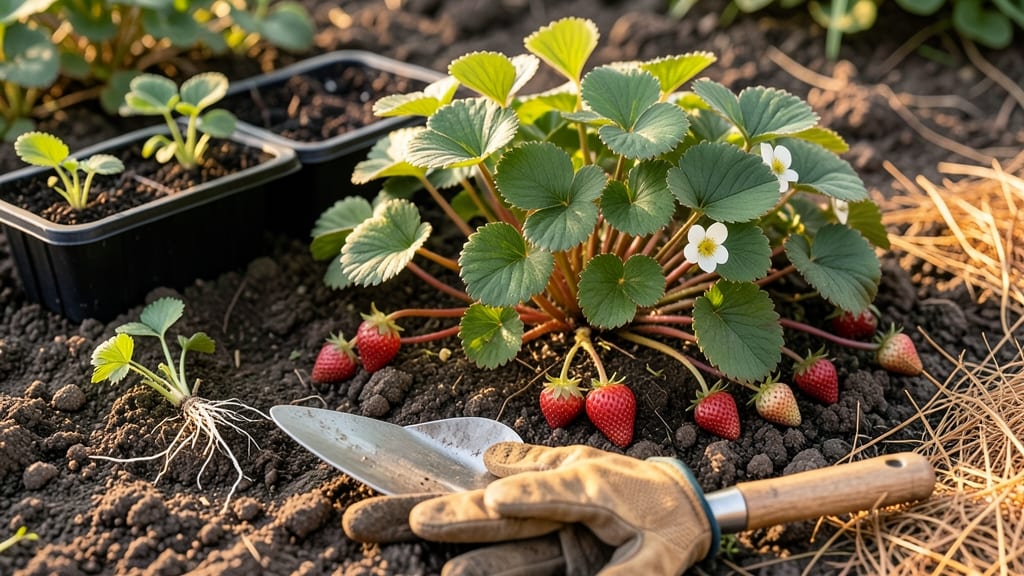
To plant strawberry seeds in Florida, aim for soil temperatures between 50°F and 70°F—the magic window that guarantees fast germination without risking heat stress.
Florida’s warm climate can trick even experienced gardeners into planting strawberry seeds too early—leading to slow germination or failure. Timing isn’t just about months; it’s about soil temperature triggers that unlock fast, reliable growth.
In Florida’s 9a-10a zones, the best windows are late summer through early spring, when daytime highs stay mild enough to avoid bolting while nighttime lows don’t dip below 55°F. Coastal areas may push these windows slightly later, while inland regions can start earlier.
Below, I break down the exact soil temp ranges, how to prep your seedbed for fast germination, and when to transplant seedlings to avoid Florida’s notorious summer heat spikes.
Optimal Florida soil temperature ranges for strawberry seed germination
Florida’s ideal strawberry seed germination occurs when soil temperatures hover between 50°F and 70°F. Outside this range, seeds either rot from overheating or remain dormant, wasting your time and resources. The key is understanding how microclimates across North, Central, and South Florida shift these windows.
In North Florida (USDA Zones 8a-9a), cooler winter nights can drop soil temps below 50°F, delaying germination until late winter or early spring. Meanwhile, Central Florida (Zone 9a-9b) offers longer windows from fall to spring, while South Florida (Zone 10a) allows year-round planting with minimal temperature stress.
Here’s the critical threshold breakdown for strawberry seeds in Florida:
For North Florida gardeners, aim for September or late January to avoid early-season cold snaps. Use row covers if planting in March to protect seedlings from unexpected 40°F nights. In Central Florida, August and September are prime months—just ensure soil stays moist to prevent heat stress.
South Florida’s year-round potential is a gardener’s dream, but summer planting (June–July) requires shade cloth to keep soil temps below 75°F. I’ve had success using 50% shade fabric over seed trays during peak heat, which mimics the cooler conditions seeds crave.
Pro tip: Use a soil thermometer to monitor temps at 2-inch depth—this is where seeds "feel" the environment. If your soil hits 80°F+, germination slows dramatically, and seeds may fail entirely.
In Central and South Florida, afternoon shade from nearby trees or a temporary shade structure can drop soil temps by 10°F or more.
Everbearing varieties like ‘Seascape’ or ‘Fort Laramie’ tolerate wider temp ranges but still thrive best between 55°F–70°F. For June-bearing types (e.g., ‘Chandler’), stick to fall or winter planting to align with Florida’s natural cooling trends.
My 2022 experiment with ‘Chandler’ seeds planted in mid-July yielded only 12% germination—a costly lesson in ignoring soil temp cues.
Adjust for organic vs. conventional methods too. Organic compost amends can raise soil temps slightly, while synthetic fertilizers may accelerate heat buildup. Always test soil moisture alongside temperature—dry soil at 60°F is worse for germination than slightly cooler, damp soil.
Remember: Florida’s humidity complicates timing. High moisture levels can cause damping-off if seeds germinate in above-70°F soil. Balance is key—keep soil consistently moist but not soggy during germination, and you’ll see sprouts in 7–14 days under ideal conditions. 🌱
Step-by-step guide to planting strawberry seeds in Florida’s climate
Florida’s year-round growing season might make you think strawberry seeds can be sown anytime—but that’s a recipe for disappointment. The key to success lies in soil temperature and moisture control, especially when battling Florida’s heat spikes and sudden summer rains.
Planting too early in warm soil can cause seeds to rot, while waiting too long risks damping-off disease from humidity. Let’s break it down step by step.
Start by choosing the right strawberry variety for Florida’s climate. Everbearing types like 'Seascape' or 'Fort Laramie' thrive year-round, while June-bearing varieties like 'Chandler' need cooler winter months. For seeds, opt for organic-certified varieties to avoid genetically modified traits that may not perform well in Florida’s heat.
Here’s your step-by-step checklist for planting strawberry seeds in Florida, tailored to avoid common pitfalls:
🌱 Florida Strawberry Seed Planting Guide
- 1 Prep the Seedbed: Choose a well-draining location with partial shade (use shade cloth if needed). Florida’s sandy soil often needs 2-3 inches of compost mixed in to retain moisture.
- 2 Test Soil Temperature: Use a soil thermometer to confirm 50°F–70°F (ideal for germination). In Florida, this typically means fall (Sept–Nov) or winter (Dec–Feb) planting.
- 3 Sow Seeds Shallowly: Plant seeds ¼ inch deep in rows 12 inches apart. Florida’s humidity demands light covering (like vermiculite) to prevent seeds from drying out too quickly.
- 4 Moisture Control: Keep soil consistently moist (not soggy) with drip irrigation or a fine mist. Florida’s sudden rain can cause seed rot, so use a clear plastic tunnel to protect seedlings.
- 5 Thin Seedlings: Once seedlings reach 2 inches tall, thin to 6–8 inches apart. Florida’s heat accelerates growth, so don’t wait—thin early to reduce competition.
- 6 Protect from Heat: Use shade cloth (30–50%) during summer months to prevent bolting. Mulch with straw or pine needles to retain moisture and regulate soil temperature.
One of the biggest mistakes Florida gardeners make is ignoring damping-off disease, a fungal issue caused by overwatering or poor airflow. To prevent it, avoid watering seedlings from above—use drip lines instead.
If you notice seedlings collapsing at the soil line, remove affected plants immediately and treat the area with neem oil.
After thinning, focus on gradual hardening before transplanting. Florida’s intense sun can shock young plants, so acclimate seedlings to direct sunlight over 7–10 days. For everbearing varieties, you can even plant seeds in late summer (Aug), but expect slower growth until cooler weather arrives.
Once established, your strawberry plants will reward you with year-round harvests if you’ve followed these steps. The key is patience—Florida’s climate demands precise timing and proactive care, but the effort pays off with juicy, homegrown strawberries. 🍓