
Companion Plants
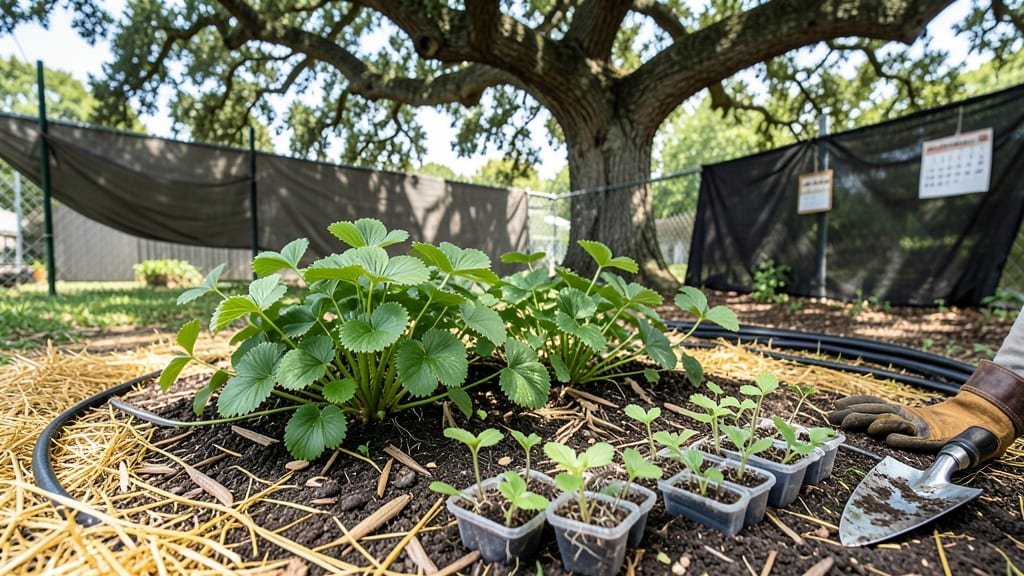
Planting strawberries in Zone 9 between October and March unlocks the secret to juicy harvests, avoiding the brutal summer heat that can turn your 🍓 plants into sad, sunburned shadows.
Picture this: you’ve spent weeks prepping the soil, only to watch your strawberries bolt to flower under the relentless sun before ever bearing fruit. That’s the nightmare Zone 9 gardeners face when they plant too late in spring or ignore the cooler months.
But here’s the good news—with the right timing, you can stretch your harvest from late spring all the way into summer, even in places like Southern California or Arizona.
The key is leveraging Zone 9’s mild winters to get a head start. Fall-planted strawberries establish roots before the heat arrives, while spring plantings need to happen early enough to avoid the 100°F+ temperatures that send them into dormancy.
Below, I’ll break down the exact windows, soil tricks, and heat-beating varieties that turn "maybe" into "bountiful."
Ready to skip the guesswork? You’ll learn how to time your plantings for year-round sweetness, plus the one mulching hack that keeps roots cool and pests away—no green thumb required.
Best planting windows for strawberries in Zone 9 (fall vs spring)
Zone 9 gardeners have a unique advantage with strawberries—the mild winters and extended growing seasons allow for two prime planting windows: fall and spring. Unlike colder climates, you can avoid summer heat stress by choosing the right timing for June-bearing, everbearing, or day-neutral varieties.
The key is planting when soil temperatures stay below 75°F and rainfall patterns support root establishment.
Fall planting (October–November) gives strawberries time to develop strong roots before summer heat. This method leverages Zone 9’s cooler winter nights, which help plants establish without dormancy stress. Spring planting (February–March) works for heat-tolerant varieties but requires shade cloth during peak afternoon sun to prevent fruit scorching.
Soil temperature thresholds are critical—ideal planting soil should be 50–65°F. In Zone 9, this typically aligns with late fall or early spring, when daytime highs dip below 80°F. Use a soil thermometer to confirm before planting bare-root plants or transplants.
Rainfall patterns in Zone 9 vary by region, but October–March generally offers consistent moisture without drought stress. Southern California and Arizona may need supplemental irrigation, while Florida’s humidity can increase fungal risks. Always ensure well-draining soil to prevent root rot, a common issue in heavy clay soils.
Here’s how the three strawberry types perform in Zone 9’s climate: June-bearing varieties (like 'Chandler') thrive with fall planting for spring harvests. Everbearing types (like 'Seascape') can handle two plantings per year if spaced 6 weeks apart. Day-neutral varieties (like 'Albion') produce continuously but need consistent moisture in summer.
| Planting Window | Best Months | Soil Temp | Rainfall Needs | Heat Stress Risk |
|---|---|---|---|---|
| Fall Planting | October–November | 50–65°F | Moderate (supplement if dry) | Low (avoids summer heat) |
| Spring Planting | February–March | 55–70°F | High (early spring rains) | High (requires shade) |
| June-Bearing | Fall only | 50–65°F | Moderate | Low (spring harvest) |
| Everbearing | Fall + Spring | 55–70°F | High | Moderate (shade needed) |
| Day-Neutral | Fall or Spring | 50–75°F | Consistent | Moderate (summer care) |
For fall planting, aim to get strawberries in the ground 6–8 weeks before summer solstice (around June 21). This gives roots time to anchor before temperatures rise above 80°F. Mulch heavily with straw or wood chips to retain moisture and cool soil—critical in Zone 9’s dry summers.
Spring planting requires immediate shade solutions like 30% shade cloth to protect plants from intense afternoon sun. Start with dwarf or semi-dwarf varieties like 'Albion' or 'Seascape', which tolerate heat better than standard types. Water deeply every 2–3 days and avoid wetting foliage to prevent fungal diseases.
Zone 9’s mild winters also allow for year-round harvests if you stagger plantings. For example, plant June-bearing varieties in fall for spring fruit, then everbearing types in early spring for summer production. This double-cropping strategy maximizes yield and reduces pest pressure by breaking up planting cycles.
One common mistake in Zone 9 is planting too late in spring, which leads to summer dormancy or poor fruit set. Always check soil pH (5.5–6.5) and amend with compost or peat moss if needed.
Test soil moisture weekly—Zone 9’s clay soils can bake hard under summer sun, suffocating roots.
With the right timing, your Zone 9 strawberry patch can deliver sweet, juicy fruit year-round. Start with fall plantings for a spring bounty, then add heat-tolerant varieties in early spring for summer harvests.
Just remember: shade, moisture, and cool roots are your best friends in this climate! 🌱
How to extend your strawberry harvest year-round in Zone 9
Zone 9 gardeners have a unique advantage—strawberries can produce fruit almost year-round with the right strategies. The key lies in staggered planting, succession planting, and smart overwintering techniques to beat the heat and keep your plants productive.
Unlike cooler zones, we don’t have to worry about frost, but summer’s intense sun can stress plants if we’re not careful.
Start by choosing heat-tolerant varieties like 'Seascape' or 'Albion', which thrive in Zone 9’s climate. These varieties produce fruit in cooler months and can handle the occasional heatwave better than traditional June-bearing types.
Pair them with drip irrigation and shade cloth during peak summer to protect your plants while they’re fruiting.
🌱 5 Key Strategies for Year-Round Strawberries in Zone 9
- 1. Stagger Planting: Plant 3 batches 3-4 weeks apart in fall (Oct-Nov) and early spring (Feb-Mar) for continuous harvests.
- 2. Use Mulch: Apply 3-4 inches of straw to retain moisture, cool roots, and prevent weeds—critical in Zone 9’s dry summers.
- 3. Provide Afternoon Shade: Install 30-50% shade cloth during June-August to protect plants from heat stress.
- 4. Overwinter Care: Reduce watering in winter months but keep soil lightly moist to prevent dormancy-related stress.
- 5. Choose Day-Neutral Varieties: 'Seascape' and 'Albion' produce fruit year-round with minimal care.
For succession planting, divide your strawberry patch into three sections. Plant the first batch in late October for a winter harvest, the second in early December for spring fruit, and the third in February to extend production into early summer.
This method ensures you’re always harvesting fresh berries while giving plants time to recover between cycles.
Don’t overlook the power of mulching—it’s your best defense against Zone 9’s heat. Use straw or wood chips to keep soil temperatures stable and reduce water evaporation. In my garden, mulched beds stay 10-15°F cooler than bare soil, which makes a huge difference during 100°F+ days.
Just remember to keep mulch 2-3 inches away from plant crowns to prevent rot.
When summer arrives, focus on shade management. Even heat-tolerant varieties like 'Seascape' can struggle if temperatures exceed 95°F for prolonged periods. I use removable shade cloth over my beds from June through August, which blocks 30-50% of sunlight while still allowing airflow.
This simple trick has doubled my summer harvest in past years.
Finally, embrace overwintering techniques to keep your plants productive through the cooler months. While Zone 9 doesn’t have frost, December and January can bring cooler nights. Reduce watering but keep soil lightly moist, and avoid fertilizing until February.
Prune away any old leaves or diseased foliage in late winter to encourage new growth and maximize spring production.