
Plants
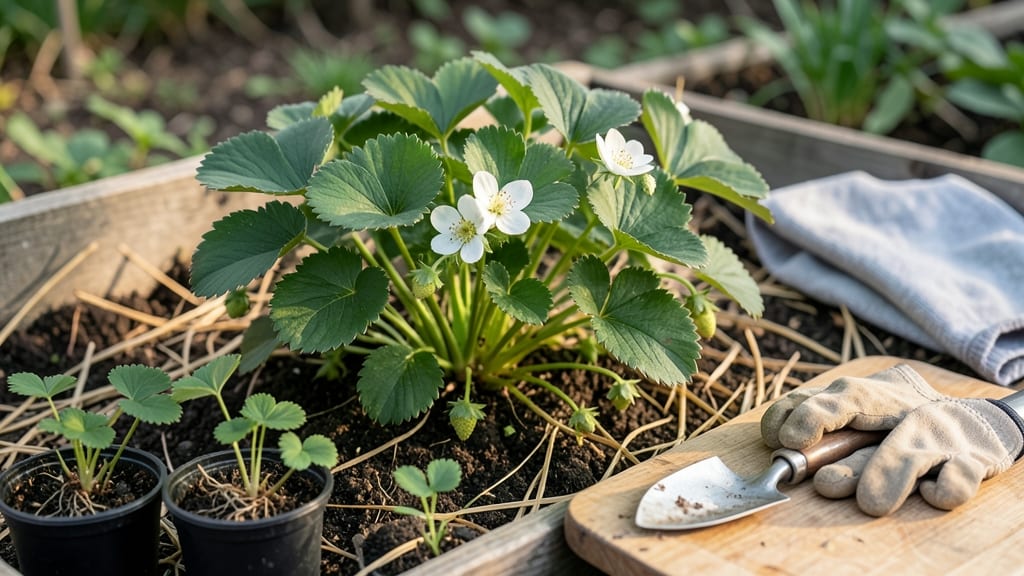
To plant strawberries in Connecticut, aim for late April through early June or August to early September — timing that aligns with your USDA Zones 5b-6b and avoids frost damage or summer heat stress.
Struggling to grow thriving strawberry plants in Connecticut’s unpredictable climate? Timing your planting right can mean the difference between a bountiful harvest and wasted effort.
Connecticut’s spring and fall windows are your best bets for healthy 🍓 plants, but the exact dates depend on your zone. Western CT (Zone 5b) needs to wait until after the last frost in mid-April, while southeastern CT (Zone 6b) can start earlier.
Below, I break down the ideal planting windows, soil prep tips, and common mistakes to avoid — so you can grow strawberries that thrive in your backyard.
Optimal planting windows for Connecticut strawberries by Zone
Connecticut's diverse climate across USDA Zones 5b-7a creates unique challenges for strawberry growers. Getting your planting timing right ensures strong root establishment before summer heat or winter frost arrives. The key is understanding how soil temperatures and frost patterns vary across the state's regions.
Unlike many vegetables, strawberries thrive when planted in either early spring or early fall. This dual approach gives you two chances for a productive harvest. However, each zone has specific windows where the risk of frost damage or heat stress is minimized.
Let's break down the optimal planting periods for each Connecticut zone.
For gardeners in Zone 5b, which covers western Connecticut including Litchfield and parts of Hartford, the window is narrowest due to later frosts. Planting between April 15-May 15 gives plants time to establish roots before summer heat arrives.
The fall planting window is equally critical here, with September being your best month before winter sets in.
Zone 6a, covering central Connecticut including New Haven and Middletown, offers slightly more flexibility. You can start as early as April 1 if your soil has warmed sufficiently, but be prepared to protect young plants with frost cloth if late frosts occur.
The fall window extends slightly longer here, allowing for September 1-20 plantings.
Gardeners in Zone 7a, found in southeastern Connecticut including Norwich and Groton, enjoy the earliest planting opportunities. You can start as early as late March when soil temperatures reach 35-45°F.
This earlier start gives plants a head start before summer's heat arrives. The fall window also extends later here, up to early October.
Regardless of zone, always check soil temperature before planting. Use a soil thermometer to verify your soil has reached the minimum temperature for your zone. Strawberry roots need consistent warmth to establish properly, and planting too early in cold soil can stunt growth or invite disease.
Another critical factor is frost prediction. Connecticut's spring is famously unpredictable. I recommend checking the National Weather Service or local agricultural extension forecasts for your specific area.
In western zones, late frosts can occur as late as mid-May, while southeastern areas typically see their last frost by mid-April.
For both spring and fall plantings, aim to have your strawberries established 4-6 weeks before the first hard frost in fall or 4-6 weeks after your last expected frost in spring.
This buffer period gives plants time to adjust to temperature changes and develop strong root systems before extreme weather arrives.
Pro tip: If you're planting in containers, you can extend your growing season by moving pots to protected locations during cold snaps. This flexibility makes container gardening an excellent option for Connecticut's variable climate.
Just ensure your containers have adequate drainage to prevent root rot from Connecticut's often heavy clay soils.
Remember that June-bearing varieties are best suited for Connecticut's climate. These produce one large crop in early summer and perform better than day-neutral varieties in our hot summers. With the right timing and preparation, you'll be enjoying homegrown strawberries from June through August with proper care.
How to prepare Connecticut soil for strawberry planting success
Connecticut’s clay-heavy soils and variable frost dates can make strawberry planting challenging. The key to success lies in proper soil preparation that balances drainage, nutrients, and pH. Strawberries thrive in well-draining, slightly acidic soil with plenty of organic matter—conditions many CT gardens need help achieving.
Before planting, focus on three critical areas: pH adjustment, organic matter incorporation, and drainage improvement. Connecticut’s USDA Zones 5b-7a mean your soil prep should account for both early spring frosts and summer heat stress. Let’s break down the essential steps to create the perfect strawberry-growing environment.
Soil Preparation Checklist for Connecticut Strawberries
- 🌱 Test Soil pH – Aim for 5.5-6.5. Use a soil test kit from UConn Extension. If pH is too high, add elemental sulfur (1 lb per 100 sq ft); if too low, use lime.
- 🪴 Amend with Organic Matter – Work in 2-3 inches of compost or well-rotted manure 4-6 weeks before planting. For clay soils, mix in peat moss or coconut coir to improve structure.
- 💧 Improve Drainage – Connecticut’s heavy clay can cause root rot. Create raised beds if drainage is poor, or mix in coarse sand (50% sand, 50% soil). Test drainage by digging a hole and filling it with water—it should drain within 6 hours.
- ☀️ Mulch Strategically – Apply 2-3 inches of straw mulch (not wood chips) after planting. This retains moisture, suppresses weeds, and protects roots from temperature swings. Replenish mulch annually in spring.
For container gardening, use a well-draining potting mix with 50% peat moss or coconut coir and 50% perlite. Add a slow-release fertilizer (10-10-10) at planting time to provide nutrients without risking burn. Containers dry out faster, so monitor moisture closely—especially in Zone 7a’s hot summers.
One common mistake CT gardeners make is overlooking soil temperature. Strawberry roots need 40-50°F soil to establish. Use a soil thermometer to check before planting. If your soil is too cold, wait or use black plastic mulch to warm it faster.
In Zone 5b, this is often the limiting factor in early spring.
After preparing your soil, plant strawberries in full sun (6+ hours daily) and water deeply 1-2 times per week, aiming for 1 inch of water. Avoid overhead watering to prevent disease spread.
With the right soil prep, your strawberries will establish strong roots and reward you with sweeter, larger berries all season long. 🍓