
Plants
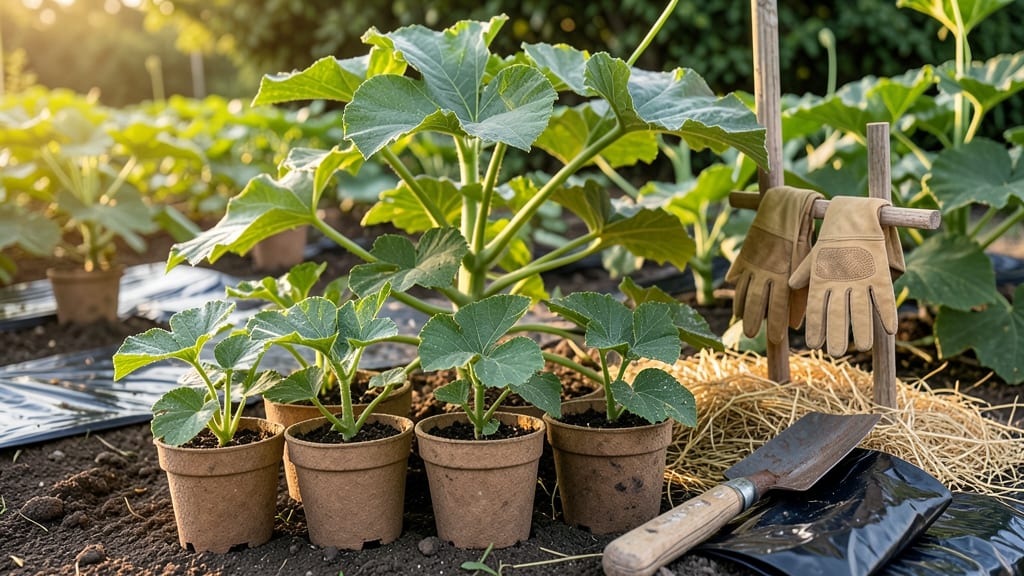
Planting squash in Arkansas at the right time means the difference between a bountiful harvest and wasted effort — and the window is narrower than you think.
Arkansas gardeners know timing is everything: plant squash too early, and frost will wipe out your crop; too late, and summer heat may reduce yields. Mastering the frost-free window by county ensures bumper harvests of butternut, zucchini, and pumpkins.
Most of Arkansas falls in USDA Zones 6-8, where soil temperatures and last-frost dates vary dramatically between the Ozarks and the Delta. A two-week difference in planting can mean the difference between thriving vines and struggling seedlings.
Below, I break down the exact planting timeline by region, soil-warming tricks for cooler areas, and the one mistake that kills more squash crops in Arkansas than anything else.
Arkansas squash planting timeline by county: frost-free dates for maximum growth
Arkansas gardeners face unique challenges when planting squash, thanks to its diverse USDA Zones 6-8 and dramatic microclimates from the Ozark Mountains to the Mississippi Delta.
The last frost dates can vary by 3-4 weeks between northern Benton County and southern Arkansas County, making precise timing essential for summer and winter squash varieties.
For summer squash like zucchini and yellow crookneck, aim to plant 1-2 weeks after your area's last frost date. Winter squash varieties such as butternut and pumpkins need a longer growing season, so start seeds indoors 4-6 weeks before your last frost date or plant directly 2-3 weeks after the frost-free window.
Below is a county-by-county breakdown of Arkansas' frost-free dates and ideal planting windows. Remember, these dates are averages—always check your local Extension Service for updates before planting.
In North Arkansas, where USDA Zone 6 dominates, gardeners should wait until mid-May for summer squash to avoid late frosts. The Ozark Mountains can have microclimates with cooler pockets, so monitor local forecasts closely.
For winter squash, start seeds indoors in early April to give them enough time to mature before the first frost in November.
Central Arkansas, including Little Rock and Fayetteville, offers the most flexibility with USDA Zones 7-8. Here, you can plant summer squash as early as mid-April and winter squash directly in the soil by mid-April. The warmer soil in this region speeds up germination, allowing for earlier harvests.
Southern Arkansas, particularly the Delta region, enjoys the longest growing season. With USDA Zone 8 conditions, you can start winter squash indoors as early as mid-February and plant directly in mid-March.
Summer squash thrives when planted in early April, benefiting from the region's longer daylight hours and warmer temperatures.
For heat-tolerant varieties like 'Black Beauty' zucchini or 'Cocozelle' summer squash, you can even push planting to late May in most regions if you provide adequate shade
How to adjust planting times for Arkansas’ unpredictable weather patterns
Arkansas’ unpredictable spring frosts and sweltering summer heat demand flexibility from gardeners. Squash thrives when planted after soil temperatures hit 60°F (15°C), but Arkansas’ USDA Zones 6-8 create regional challenges.
The Ozarks may see frost in May, while the Delta enjoys earlier warmth—adjusting your schedule by 2-4 weeks can mean the difference between a bountiful harvest and a failed crop.
For late starts, heat-tolerant varieties like 'Black Beauty' zucchini or 'Waltham Butternut' are your best allies. These varieties handle 90°F+ temperatures better than traditional squash, giving you a second planting window in early July for a fall harvest.
Pair them with mulch or shade cloth to protect young plants from intense afternoon sun.
- 1 Use soil thermometers to confirm 60°F+ soil before planting—cold soil delays germination by 1-2 weeks.
- 2 Extend the season with black plastic mulch or straw bales to warm soil 5-10°F faster than bare earth.
- 3 Monitor local trends via Arkansas Cooperative Extension alerts for frost risks—sign up for free weather updates to adjust planting 48 hours in advance.
- 4 Choose fast-maturing varieties like 'Eight Ball' zucchini (45 days) for late starts—ideal for July-August plantings.
- 5 Hardening off seedlings for 3-5 days before transplanting prevents shock from Arkansas’ humidity swings and temperature fluctuations.
Arkansas’ humidity and sudden storms can turn a perfect planting day into a disaster. To mitigate risks, I recommend raising beds 6-12 inches to improve drainage and space plants 3-4 feet apart to reduce disease spread from overhead watering.
For container gardening, use 5-gallon pots with well-draining mix—this gives you 2-3 weeks of flexibility to adjust planting after unexpected frost.
Don’t rely solely on calendar dates—Arkansas’ microclimates can vary by 10+ miles. Check the Arkansas Climate Office for historical frost data by county, then add 10-14 days as a buffer.
For example, Bentonville (Zone 7a) averages its last frost on April 15, but Little Rock (Zone 7b) often sees frost-free conditions by April 1—a 2-week difference that matters for squash.
If you’re planting winter squash like pumpkins or butternut, aim for seedlings by July 1 to ensure harvest before first frost (typically November 15 in most counties). Use row covers or cold frames to extend harvests into early December in Zone 8 areas like El Dorado.
For summer squash, prioritize early varieties like 'Straightneck Yellow' (40 days) to capitalize on Arkansas’ long, hot summers.
Pro tip: Keep a planting journal to track your local adjustments year over year. Note when you planted, soil temperatures, and harvest dates—this helps you fine-tune future schedules and beat Arkansas’ weather unpredictability.
With these strategies, even late starts can yield abundant squash—just stay flexible and observant.