
Plants
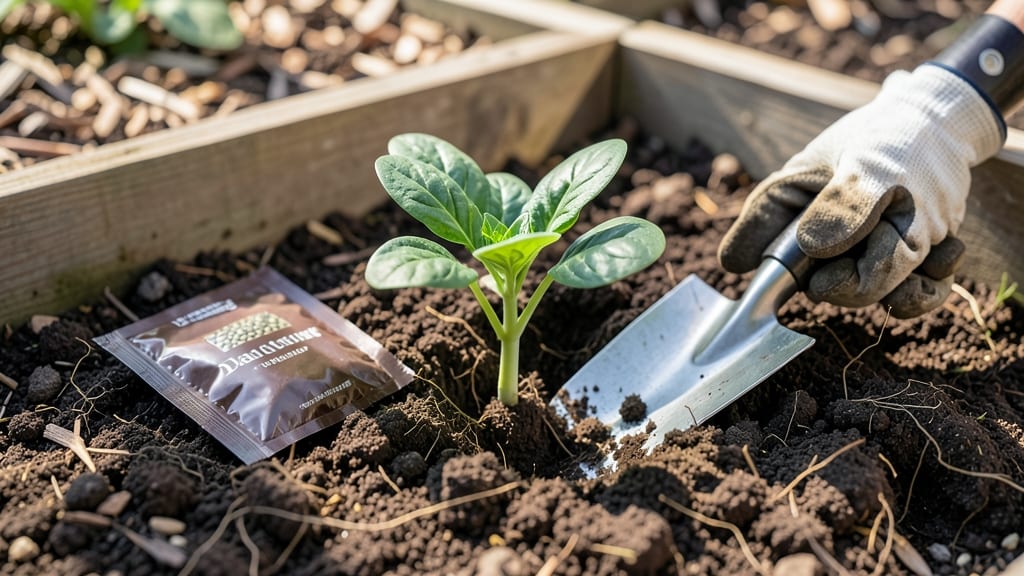
To plant spinach in Virginia, aim for early spring (March-April) or late summer (August-September) when soil temperatures stay cool 🍃 — timing this wrong means bitter leaves or wasted seeds.
Virginia’s mild winters and hot summers make spinach tricky, but the right window turns it into a garden superstar. Too early, and frost zaps tender seedlings; too late, and summer heat sends it bolting before you get a harvest.
This guide breaks down the best planting dates by USDA zone (6a-8a), how to stretch harvests with succession planting, and which varieties hold up in Virginia’s heat.
You’ll learn when to start seeds indoors, how to protect young plants from late frosts, and why a second fall crop often outperforms spring in Virginia’s climate.
Virginia spinach planting calendar by USDA Zone (7a-8b) for fall and spring success
Virginia’s USDA Zones 7a-8b offer two prime windows for growing spinach: early spring and late summer. Timing is critical—plant too early, and you risk bolting from heat; too late, and frost ruins tender leaves. Let’s break down the frost-free planting windows for each zone to maximize your harvest.
In Zone 7a (colder end), your last frost date typically falls around March 20-30, while Zone 8b (warmer) sees last frosts by March 1-15. These dates anchor your spring planting schedule, but fall crops depend on your first frost date, usually November 15-30 across the state.
For spring planting, aim to sow seeds 4-6 weeks before your last frost date. In Zone 7a, this means starting in early March, while Zone 8b gardeners can begin as early as mid-February.
Cool soil temperatures (40-50°F) are ideal for germination, and daytime highs below 70°F prevent bolting.
Fall planting requires more precision. Sow seeds 6-8 weeks before your first frost—typically August 1-15 in Zone 7a and July 20-31 in Zone 8b. The goal is to establish plants before late summer heat triggers bolting, but
How to extend Virginia spinach harvests: succession planting and cold protection tips
Virginia’s mild winters and variable frost dates create perfect conditions for extended spinach harvests. By using succession planting and cold protection, you can enjoy fresh spinach from late fall through early spring.
The key is strategic timing and smart microclimate choices to shield tender leaves from unexpected freezes.
Start with fall plantings—sow seeds 6-8 weeks before the first frost (typically mid-September to early October in Virginia). This gives plants time to mature before winter slows growth. For winter harvests, use row covers or low tunnels to protect crops from light freezes (down to 20°F).
Spring plantings should begin 4-6 weeks before last frost (usually early March).
📋 Step-by-Step Guide to Extending Your Spinach Harvest
- Step 1: Fall Planting – Sow seeds mid-September to October for October-November harvests. Choose cold-hardy varieties like 'Bloomsdale' or 'Tyee'.
- Step 2: Winter Protection – Use floating row covers or low tunnels to shield plants from 20-25°F freezes. Secure edges with bricks or soil to prevent wind damage.
- Step 3: Succession Plant – Sow new seeds every 2 weeks in fall and spring for continuous harvests. Space rows 12 inches apart to allow airflow.
- Step 4: Microclimate Selection – Plant near south-facing walls or under deciduous trees to trap heat. Avoid low-lying areas where cold air pools.
- Step 5: Spring Planting – Start seeds indoors 4-6 weeks before last frost (early March) or direct-sow outdoors in late March for May-June harvests.
- Step 6: Harvest Strategically – Pick outer leaves first to encourage regrowth. Avoid harvesting more than 1/3 of the plant at once to prevent stress.
For extra cold protection, add a thick mulch layer (straw or leaves) around plants to insulate roots. In Zone 7a, spinach can survive brief freezes down to 15°F with protection, while Zone 8b gardeners may even harvest through mild winters.
Always monitor weather forecasts and remove covers on warm days to prevent overheating.
Don’t let summer heat derail your plans! If you attempt late-spring plantings, use shade cloth (30-50%) to prevent bolting. Spinach thrives in cool weather, so avoid planting after May unless you’re using heat-tolerant varieties like 'Space' or 'Corvair'.
With these techniques, you’ll enjoy fresh spinach for months—from fall through spring—without the risk of wasted seeds or bolting. Happy gardening! 🌱