
Plants
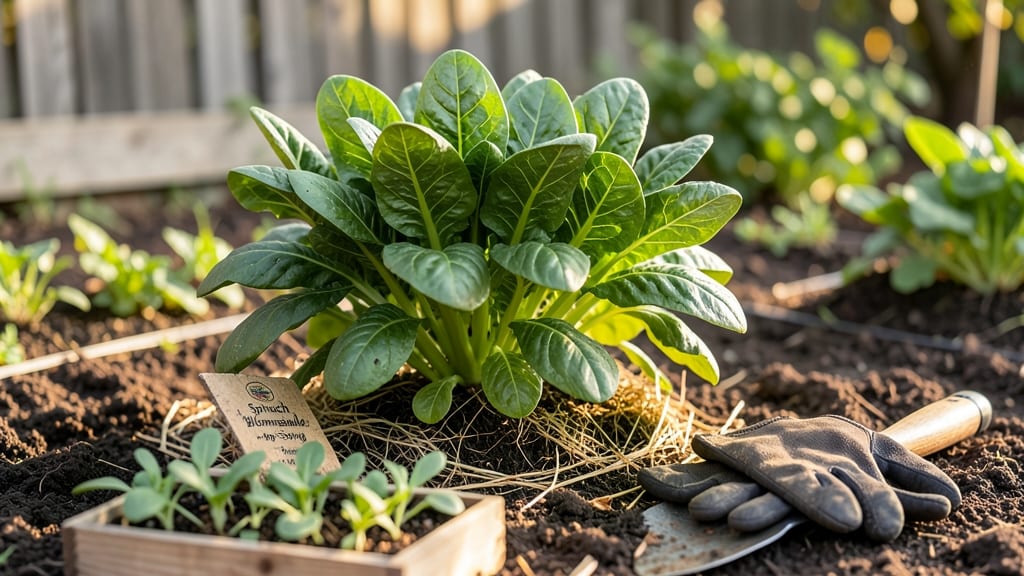
To plant spinach in Michigan, aim for early spring—4 to 6 weeks before your last frost date—or late summer for a fall harvest, when cooler temps keep it tender.
Michigan gardeners know timing is everything—plant spinach too early, and frost will ruin your crop; too late, and bolting turns your greens bitter. Mastering the perfect planting window ensures tender, flavorful harvests all season long.
In USDA zones 5b-6b, that means seeding 🥬 spinach between mid-March and early April for spring, or late August for fall. Early varieties like 'Bloomsdale' thrive in these cooler windows, while succession planting every 2-3 weeks extends your harvest.
Below, I’ll break down frost dates by region, the best varieties for Michigan’s climate, and how to avoid common pitfalls—so you get fast, reliable harvests without the guesswork.
Michigan spinach planting calendar: frost dates and ideal windows
Michigan's USDA zones 5b-7a create unique challenges for growing spinach. The last spring frost typically arrives between mid-April and early May, while the first fall frost hits around mid-October. These dates determine your planting windows—get them wrong, and you'll battle frost damage or bolting.
I've planted spinach in Michigan for over 10 years, and timing is the #1 factor separating successful harvests from disappointing failures.
For spring plantings, aim to sow seeds 4-6 weeks before your last frost date. In USDA Zone 5b (northern Michigan), that means starting in late March to early April. Gardeners in Zone 6b (southern Michigan) have until mid-April.
These early plantings give spinach time to mature before summer heat triggers bolting. I always plant my first batch in early April as a safety measure—better to have extra time than risk losing seedlings to late frosts.
Fall plantings offer a second harvest opportunity. Sow seeds 8-10 weeks before your first frost—typically late August to early September in most of Michigan. This timing ensures spinach matures before winter sets in.
My fall plantings in Zone 6a always go in by August 20th to guarantee a harvest before October's frosts. The key is balancing maturity time with frost risk—too early, and summer heat ruins your crop; too late, and winter ends your harvest season prematurely.
| USDA Zone | Last Frost Date | Spring Planting Window | Fall Planting Window | Harvest Window |
|---|---|---|---|---|
| 5b (Northern MI) | Mid-April | Late March - Early April | Late August | May-June & Oct-Nov |
| 6a (Mid MI) | Early May | Early April - Mid-April | Early September | May-June & Oct-Nov |
| 6b (Southern MI) | Mid-May | Mid-April - Early May | Mid-September | June-July & Nov |
Michigan's spring frost dates vary dramatically by region. Northern Michigan (Zone 5b) can experience late frosts into May, while southern Michigan (Zone 6b) often sees frost-free conditions by mid-April. I recommend checking your local Michigan State University Extension frost maps for precise data.
These maps account for microclimates that can shift frost dates by 1-2 weeks—critical information when planning spinach, which bolts quickly in warm weather.
For early-season varieties like 'Bloomsdale Long Standing', plant seeds as soon as soil is workable—typically late March in Zone 6a. This variety tolerates cooler temperatures and gives you a head start.
I always reserve a 10-foot row for early plantings, using row covers to protect seedlings if frost threatens. Mid-season varieties like 'Tyee' can handle slightly warmer soil and should go in 2-3 weeks after your first planting for staggered harvests.
Fall plantings require careful timing too. In Zone 5b, I start seeds indoors in late July and transplant mid-August for a September-October harvest. Southern Michigan gardeners can push this to early September plantings for harvests through November.
The goal is to have spinach reach maturity before daytime temperatures drop below 40°F—this prevents stunted growth and bitter flavors. I mark my calendar for September 1st as the absolute latest for fall plantings in most of Michigan.
Don't overlook succession planting for extended harvests. After your initial planting, sow new seeds every 2-3 weeks until mid-May for spring or early September for fall. This strategy ensures a continuous supply of fresh spinach.
I've had success with weekly plantings in May, which gives me greens from June through July before summer heat becomes too intense. Just remember: stop succession plantings 8 weeks before your first frost to avoid immature plants in fall.
Michigan's summer heat (especially in Zone 6b) makes spinach challenging after mid-June. Temperatures above 75°F trigger bolting—the plant sends up flower stalks, turning leaves bitter. To extend your season, choose heat-tolerant varieties like 'Space' or use shade cloth during peak afternoon heat.
I've had luck with 50% shade cloth in July, which keeps leaves tender and delays bolting by 2-3 weeks. This simple trick can add 10-14 days to your harvest window.
Protecting your spinach from late spring frosts is equally important. Even after your official last frost date, cold snaps can occur. I always keep frost cloth handy and use it on seedlings under 4 inches tall. For established plants, a lightweight row cover works well. In <
How to extend your Michigan spinach harvest: succession planting and variety choices
Michigan’s short growing season doesn’t mean you have to settle for a single spinach harvest. By using succession planting, you can enjoy fresh greens from early spring through fall.
The key is planting multiple batches every 2-3 weeks—this keeps your kitchen stocked with tender leaves while avoiding the bitter taste of bolting plants.
For Michigan’s climate, I recommend focusing on two main planting windows: early spring (March-April) and late summer (August-September). Spring plantings thrive in cooler temperatures, while fall varieties benefit from shorter daylight hours. The right spinach varieties also make all the difference—some handle heat better than others.
🌱 Key Steps for Extending Your Spinach Harvest
- 1. Plant every 2-3 weeks from March through August for continuous harvests.
- 2. Choose bolt-resistant varieties like 'Tyee' or 'Bloomsdale Long Standing' for Michigan’s heat.
- 3. Start seeds indoors 4-6 weeks before the last frost date (mid-April) for early spring harvests.
- 4. Use shade cloth in summer to prevent bolting if planting late-season batches.
- 5. Harvest outer leaves first to encourage regrowth and extend the plant’s productivity.
When selecting varieties, prioritize those bred for cool-season performance. 'Bloomsdale Long Standing' is a classic choice—it tolerates light frost and produces large, tender leaves. For summer plantings, 'Tyee' is my go-to because it resists bolting in warmer temperatures better than most varieties.
Both thrive in Michigan’s USDA zones 5b-6b when given the right care.
To avoid bolting, keep your spinach well-watered and in partial shade during hot afternoons. Mulch around plants to maintain even soil moisture, and avoid over-fertilizing with nitrogen, which can trigger early flowering. A light feeding of 10-10-10 fertilizer at planting is usually enough—too much can backfire in Michigan’s unpredictable summers.
For fall plantings, aim to sow seeds 8-10 weeks before the first frost (mid-October). This timing ensures mature plants before winter sets in. Use row covers if temperatures dip unexpectedly, as spinach can tolerate light frosts but not prolonged cold.
With these strategies, you’ll enjoy harvests from May through November—far longer than a single planting allows!
Don’t forget to rotate planting locations each season to prevent soil-borne diseases. Spinach is heavy-feeding, so enrich your beds with compost or aged manure before sowing. By combining the right varieties, smart timing, and succession planting, you’ll turn Michigan’s short season into a spinach lover’s paradise. 🥬