
Vegetables
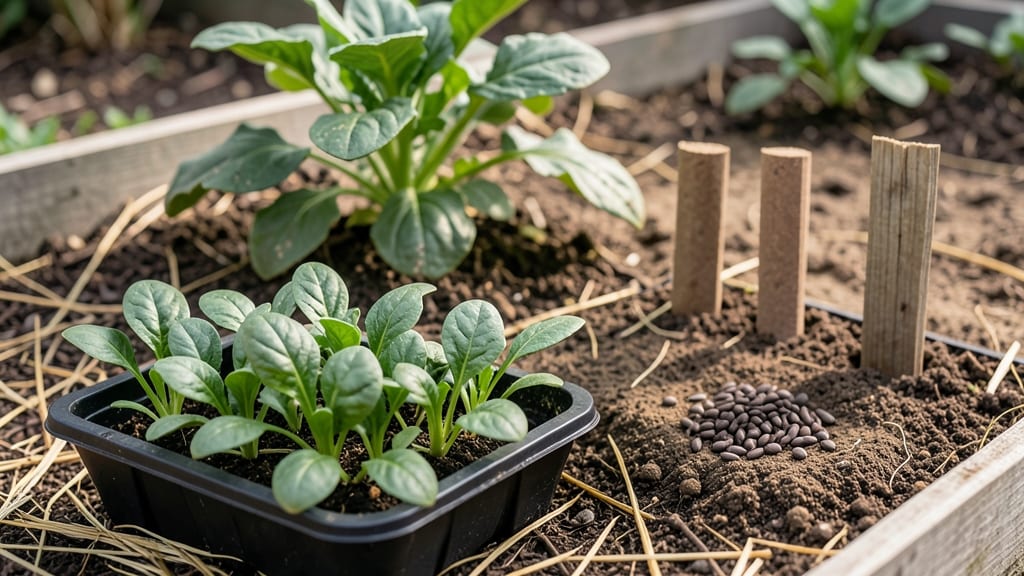
Planting spinach in Alabama at the right time means the difference between a fast, crisp harvest and a bitter, bolted mess.
Alabama’s mild winters and warm springs create the perfect window for growing crisp, homegrown spinach—but timing is everything to avoid bolting or stunted growth. Plant too early, and frost will damage tender leaves; too late, and the heat will send your spinach to seed.
In USDA zones 7b-8b, the best windows are late winter (February-March) and early fall (August-September). These months give spinach just enough cool weather to thrive before Alabama’s heat sets in.
Below, I break down the exact dates, soil prep tips, and how to stretch your harvest season—so you can enjoy fresh 🍃 spinach all the way from April to November.
Best planting dates for spinach in Alabama’s climate zones
Alabama’s diverse climate zones—from the cooler Appalachian highlands to the warmer Gulf Coast—create unique opportunities for growing spinach. The key is planting during the coolest months when temperatures stay between 50°F and 75°F to prevent bolting.
In USDA Zones 7b-8b, spinach thrives in early spring and fall, but exact timing varies by region.
Northern Alabama (Zones 7a-7b) has earlier frost dates than the southern Gulf Coast (Zone 8a), so gardeners there must act faster. For example, Huntsville gardeners should sow seeds by late February for spring harvests, while Mobile gardeners can wait until early March without risking frost damage.
Here’s a breakdown of the optimal planting windows for each of Alabama’s 7 climate zones, including frost-free adjustments to maximize your harvest.
| Climate Zone | Spring Planting Window | Fall Planting Window | Last Frost Date | First Frost Date | Key Tip |
|---|---|---|---|---|---|
| North (7a-7b: Huntsville, Decatur) | Late February - Early March | Mid-August - Early September | Mid-March | Mid-November | Use row covers for early starts |
| North-Central (7b: Birmingham, Anniston) | Early March - Mid-March | Late August - Early September | Late March | Late November | Plant heat-tolerant varieties |
| Central (7b-8a: Montgomery, Auburn) | Mid-March - Early April | Early September - Mid-September | Early April | Early December | Extend fall season with shade cloth |
| South-Central (8a: Selma, Dothan) | Early April - Mid-April | Mid-September - Late September | Mid-April | Mid-December | Water deeply in summer heat |
| Southeast (8a: Tuscaloosa, Gadsden) | Late March - Early April | Late August - Early September | Late March | Late November | Use mulch to retain moisture |
| Southwest (8a-8b: Mobile, Pensacola) | Early April - Mid-April | Mid-September - Late September | Early April | Early December | Choose bolt-resistant varieties |
For spring plantings, aim to sow seeds 4-6 weeks before your area’s last frost date. In Alabama, this typically means late February to early April, depending on your zone. For example, Mobile gardeners can start as late as mid-April without frost concerns, while
How to avoid common spinach planting mistakes in Alabama
Alabama’s humid climate and unpredictable weather make spinach a finicky crop if you’re not careful. One wrong move—like planting at the wrong time or ignoring soil prep—and you’ll end up with bitter, bolting plants instead of tender, homegrown greens.
The key is avoiding three critical mistakes: heat-induced bolting, soil-borne diseases, and poor spacing. Let’s tackle these head-on so your spinach thrives from seed to harvest.
First, bolting is your biggest enemy in Alabama’s heat. Spinach is a cool-season crop, and when temperatures climb above 75°F, it bolts—sending up flower stalks and turning bitter. This happens fast here, especially in USDA zones 7b-8b.
The solution? Plant early fall (August-September) or late winter (February-March) to keep temps ideal. Use shade cloth if summer heat sneaks in unexpectedly.
⚠️ WARNING: Timing is Everything! ⚠️
Next, Alabama’s high humidity creates the perfect storm for soil-borne diseases like downy mildew and fusarium wilt. These pathogens thrive in soggy soil and crowded plants. To prevent them, rotate crops annually—never plant spinach where nightshades (tomatoes, peppers) grew the year before.
Disinfect tools between uses, and amend your soil with compost to improve drainage. A 50/50 mix of garden soil and compost works wonders for disease resistance.
Improper spacing is another silent killer of spinach yields. Crowded plants compete for nutrients and air circulation, leading to weak growth and disease. In Alabama, space seeds 1 inch apart in rows 12 inches apart.
Thin seedlings to 4-6 inches apart once they’re 2-3 inches tall—this might sound harsh, but it ensures your spinach gets the room it needs to grow bold, crisp leaves instead of leggy stems. Pro tip: Harvest the thinned seedlings for salads or pesto!
To extend your spinach season, try these Alabama-specific tricks. For fall planting, use row covers to protect young plants from unexpected light frosts in October. In spring, plant a second crop in early February under a cold frame or low tunnel to jumpstart growth.
And don’t forget: succession planting every 2 weeks ensures a steady supply of fresh spinach from March through May.
Finally, water wisely—spinach needs consistent moisture, but Alabama’s heat can turn your garden into a swamp if you’re not careful. Water deeply in the morning to keep leaves dry and prevent fungal issues.
Mulch with straw or shredded leaves to retain moisture and suppress weeds. Avoid overhead watering in the evening, as damp foliage invites downy mildew to party in your spinach patch.