
Vegetables
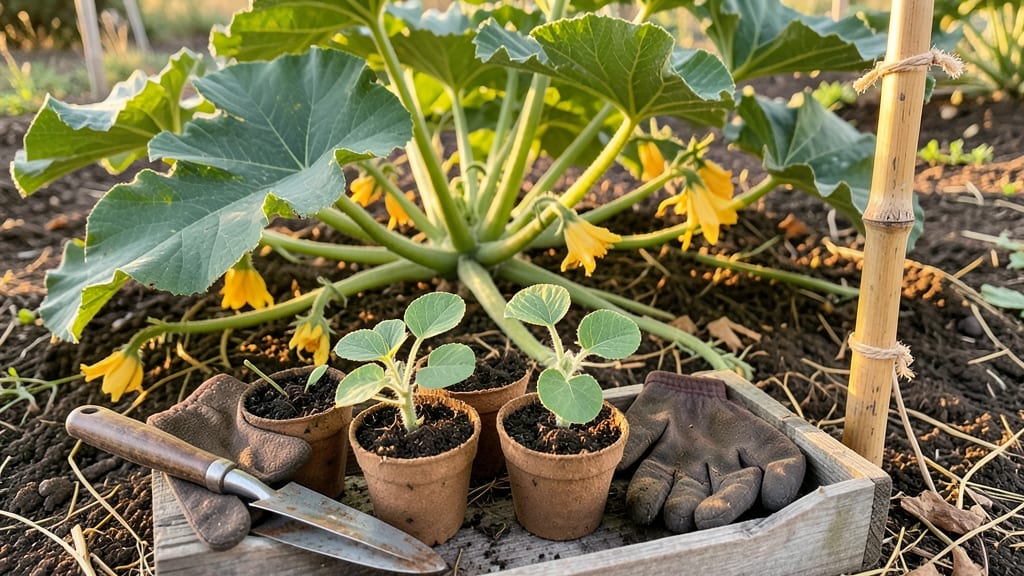
Plant pumpkins in Iowa after your last frost date—typically mid-May in 4a-5b zones—when soil temperatures hit 60°F or warmer for consistent germination.
If you’ve ever watched your pumpkin seeds rot in cold soil or your vines wilt under a late frost, you know timing is everything. Iowa’s unpredictable spring means waiting too long can shrink your harvest, while planting too early risks losing everything to frost.
This guide breaks down the exact frost-free windows for each Iowa zone, soil prep tricks to speed up warming, and the best pumpkin varieties for your 90-day growing season—so you can avoid the common mistakes that leave gardeners with nothing but empty vines.
You’ll learn how to adjust for Iowa’s heatwaves, droughts, and late frosts, plus the one soil hack that adds 10 extra days to your pumpkin’s growing window. Ready to turn your patch into a bountiful harvest?
Iowa pumpkin planting timeline by USDA hardiness zones (4-5)
Iowa’s USDA zones 4a-5b create unique challenges for pumpkin growers, with last frost dates ranging from mid-April in northern zones to early May in southern areas. Pumpkins thrive when planted after soil warms to 60°F+, but Iowa’s unpredictable spring weather demands precise timing.
Whether you’re growing Jack Be Little or Howden varieties, knowing your exact zone’s frost-free window ensures a successful harvest.
For direct-sown seeds, wait until mid-May to early June in most of Iowa, while transplanting starter plants can begin 2-3 weeks earlier once nighttime temperatures stay above 50°F. Backup dates are critical—late frosts in May can still occur, especially in zone 4a.
Let’s break down the exact planting windows for each zone to help you avoid common mistakes.
In zone 4a, where frosts linger longer, I always recommend starting with transplants if your growing season feels tight. These areas benefit from early-maturing varieties like ‘Small Sugar’, which can reach harvest in just 75 days.
For zone 5b, you have more flexibility—direct sowing as early as late April works well, especially if you use black plastic mulch to warm the soil faster.
Soil temperature is the most critical factor for pumpkin success. Use a soil thermometer to confirm 60°F+ before planting—cold soil delays germination and invites rot. In my experience, zone 4b gardeners often rush planting in May and face late frost damage.
I’ve learned to wait until June 1 as a safety net, even if the weather looks promising earlier.
For transplanting starter plants, harden them off for 7-10 days before moving outdoors. In Iowa, this means mid-April transplants
How to adjust pumpkin planting for Iowa’s unpredictable weather patterns
Iowa’s late frosts and sudden heatwaves can turn your pumpkin patch into a gamble if you’re not prepared. The key to success? Flexibility in your planting strategy.
Unlike more predictable climates, Iowa’s USDA zones 4a-5b demand proactive adjustments—like using frost cloth or emergency transplanting—to protect your vines when Mother Nature throws curveballs.
I’ve grown pumpkins in Iowa for years, and let me tell you: the soil temperature is your best friend here. Pumpkin seeds need 60°F+ soil to germinate, but if a late frost hits in May, you’ll need to cover seedlings immediately.
Even worse? A drought in July can stunt growth, while a sudden downpour can rot vines. The solution? Layered strategies to extend your growing season and safeguard your plants.
- 🌱 Use frost cloth until soil reaches 60°F—lay it over seedlings at night if late frosts threaten (even in June!).
- 💧 Mulch heavily with straw or black plastic to retain moisture during Iowa heatwaves (prevents soil from drying out).
- 🌿 Plant companion crops like bush beans or nasturtiums to deter pests and improve soil structure.
- ⏰ Transplant emergency seedlings if early frosts kill direct-sown seeds—use biodegradable pots to minimize root shock.
- ☀️ Choose fast-maturing varieties (e.g., ‘Jack Be Little’) for shorter seasons or ‘Howden’ for longer harvests.
One of my biggest mistakes? Skipping the frost cloth in early June because the forecast looked clear. A 50°F night wiped out half my seedlings overnight. Now, I keep a lightweight frost blanket on hand and cover plants by dusk if temperatures dip below 55°F.
For soil moisture, I’ve switched to drip irrigation—it delivers water directly to roots, reducing waste and preventing fungal diseases that thrive in Iowa’s humid summers.
Don’t overlook companion planting, either. I pair pumpkins with marigolds to repel squash vine borers (a nightmare in Iowa) and radishes to improve soil aeration. The radishes act as a trap crop, luring pests away from your pumpkins.
Plus, their shallow roots don’t compete for nutrients. For drought-prone years, I’ve had success with container growing—pumpkins in 5-gallon buckets with self-watering reservoirs can be moved to shadier spots if heat stress hits.
If all else fails, emergency transplanting saves the day. Last year, a May frost killed my direct-sown seeds, but I rushed to transplant 3-week-old starter plants from a greenhouse. The trick? Hardening off seedlings for a week beforehand and watering deeply the day before transplanting.
I also buried the stems halfway up to encourage root growth. By mid-June, those pumpkins were thriving—proof that adaptability beats rigid schedules.
Remember: Iowa’s growing season is short but intense. Start with early varieties, protect against late frosts, and stay vigilant about soil moisture. With these adjustments, you’ll turn Iowa’s unpredictability into your pumpkin patch’s advantage. Happy growing! 🎃