
Plants
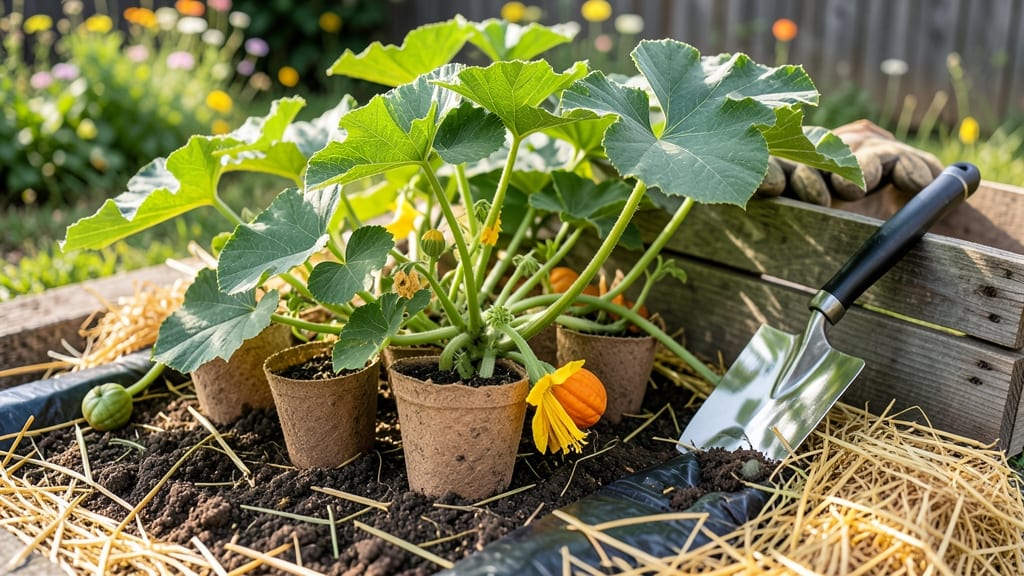
Planting pumpkins in Alabama after your last frost date—typically mid-March—sets you up for a 90-day growing season that ends just before the first frost in November.
Picture this: you’re staring at a patch of warm soil in April, wondering if you’ve waited too long, only to realize your pumpkins need consistent heat to thrive. Alabama’s 7a-8b zones give you flexibility, but timing is critical—plant too early, and frost can still nip those tender seedlings.
Here’s the secret: direct-sow your pumpkins after soil hits 70°F, usually late February to early April for spring varieties or July-August for fall harvests. Black plastic mulch can shave weeks off that wait, warming the soil faster and giving your vines a head start.
Below, I’ll break down the exact planting windows by zone, how to adjust for Alabama’s microclimates, and the best varieties that handle our heat. Ready to grow bigger, sweeter pumpkins this fall?
Alabama pumpkin planting timeline by hardiness Zone (7a-8b)
Alabama’s USDA zones 7a-8b offer ideal conditions for growing pumpkins, but precise timing ensures your vines thrive. Since frost rarely threatens after March 15, we focus on soil warmth and daylength for peak germination.
In Zone 7a, cooler nights mean slower soil warming, while Zone 8b gardeners enjoy earlier starts. Both zones benefit from a 90-120 day growing window to reach harvest before November 15.
For Alabama gardeners, the best planting window spans from late February to early April for spring crops or July to August for fall harvests. Direct sowing is preferred, but transplants can work if started indoors with black plastic mulch to warm soil faster.
Always wait until soil temperatures hit 70°F—a critical threshold for pumpkin seeds to sprout reliably.
Here’s your zone-specific planting timeline, including soil prep tips and frost-free dates to maximize your harvest:
In Zone 7a, cooler springs mean waiting until April 15–May 1 for direct sowing. Start seeds indoors by March 15 if using transplants, but harden them off carefully—Alabama’s humid air can stress young vines.
For Zone 8b, you can plant as early as February 15, but soil may still be too cool for germination. Use a soil thermometer to confirm 70°F+ for Zone 7a or 68°F+ for warmer zones.
For a fall harvest, Alabama gardeners often plant a second crop in July–August. This works because vines mature quickly in Alabama’s heat, and you’ll avoid early September diseases that plague spring-planted pumpkins.
Choose shorter-season varieties like ‘Jack Be Little’ (75 days) to ensure harvests before the November 15 frost date.
One common mistake is planting too early in Zone 7a and risking cold soil, which delays germination by weeks. Test your soil with a thermometer—if it’s below 65°F, wait.
Another tip: Raise beds warm up faster and improve drainage, critical for Alabama’s clay-heavy soils. Add compost to boost fertility, as pumpkins are heavy feeders.
If you’re growing giant pumpkins, prioritize Zone 8b’s longer growing season. Plant by February 15 and use drip irrigation to maintain consistent moisture—critical for fruit development. For smaller varieties, succession planting every 2 weeks in spring or summer can stretch your harvest window.
Remember: Pumpkins need space. Allocate 50–100 sq ft per plant to prevent competition. In Alabama’s heat, morning watering reduces fungal risks like powdery mildew. Mulch with straw to retain moisture and suppress weeds—Alabama’s summer storms can wash away soil nutrients quickly.
For urban gardeners in Birmingham or Huntsville, microclimates matter. South-facing walls can add 2–3 weeks to your growing season. Use this to your advantage by planting transplants slightly earlier in these spots. Just monitor for pests like squash bugs, which thrive in Alabama’s humidity.
Final pro tip: Mark your calendar for 90 days after planting—this is your harvest window. In Alabama, that typically lands in late September to October. Use a hardness test (press your fingernail—if it doesn’t dent, it’s ready!) and watch for stem shrinkage as key signs.
How to adjust pumpkin planting for Alabama’s microclimates and soil conditions
Alabama’s diverse microclimates and soil types can dramatically impact your pumpkin harvest. From the rich, fertile black soil of the Black Belt region to the sandy loam of coastal areas, each environment demands unique adjustments.
Even within cities, urban heat islands can create microclimates where pumpkins thrive weeks earlier than rural areas. Understanding these variations ensures your pumpkins grow strong and healthy.
One of the biggest challenges is soil temperature and moisture retention. Sandy soils warm up faster in spring but drain too quickly, while clay-heavy soils stay cold longer but retain moisture. Both extremes require different planting strategies.
For example, in North Alabama’s frost pockets (like Huntsville), you might need to wait until mid-April for safe planting, while South Alabama’s Gulf Coast can start as early as late February.
⚠️ callout-warning
Don’t let early warm spells fool you! Spring frost pockets in Alabama can still hit after March 15, even in Zone 8a. Use frost cloth for early plantings or wait until soil reaches 70°F (test with a soil thermometer). Urban heat islands may feel warmer, but nighttime temps can drop sharply—monitor local weather forecasts for frost advisories.
To adapt your planting schedule, start by testing your soil type. Amend sandy soils with compost or peat moss to improve moisture retention, while clay soils benefit from sand or perlite for better drainage.
For urban gardens, consider raised beds filled with a mix of both to balance conditions. These adjustments help pumpkins establish roots quickly, especially in Alabama’s hot, humid summers.
Companion planting can also mitigate microclimate challenges. Pair pumpkins with bush beans or corn to improve soil nitrogen, while marigolds deter pests like squash bugs. In coastal areas with higher humidity, interplanting with basil can reduce fungal diseases.
For dry inland regions, mulch heavily with straw to conserve moisture and keep roots cool during Alabama’s intense summer heat.
If you’re in a frost-prone valley, opt for earlier-maturing varieties like ‘Jack Be Little’ (75 days) or ‘Sugar Pie’ (85 days) to avoid late-season risks. In heat-stressed urban areas, use shade cloth during peak afternoon sun to protect young plants.
For sandy soils, extend the growing season by planting a second crop in July—this gives pumpkins time to mature before November’s first frost.
Finally, pay attention to localized wind patterns. Coastal areas may experience salty winds that stress pumpkins, while inland regions can suffer from drought winds. Use windbreaks like tall sunflowers or cornstalks to protect vulnerable vines.
By tailoring your approach to Alabama’s unique growing conditions, you’ll maximize your pumpkin yield—whether you’re in Montgomery’s clay soil or Birmingham’s urban heat island.