
Vegetables
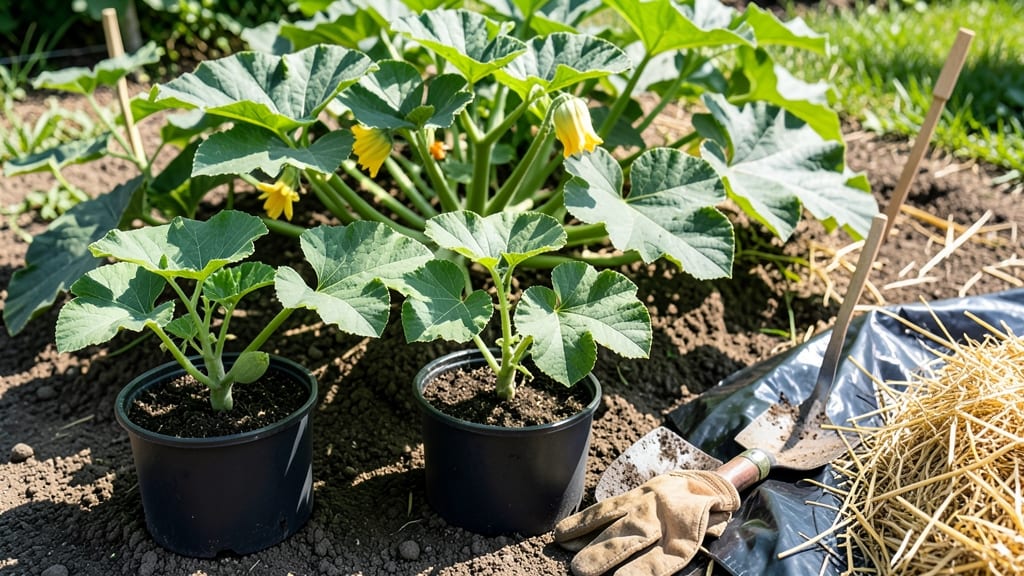
To plant pumpkins in Colorado, aim for mid-April to mid-June after the last frost — timing that varies wildly from the Front Range to the high country.
Colorado’s diverse elevations and unpredictable frost dates can turn pumpkin planting into a high-stakes guessing game—but timing it right ensures your vines thrive and your harvest explodes with size. Skip the trial-and-error and plant at the perfect moment for your specific zone.
At lower elevations like Denver, soil warms fast, giving you a longer window (late April to early June), while mountain gardens near 7,000 feet need to wait until late May or even June. Get it wrong, and you risk frost-nipped seedlings or vines that bolt before fruiting.
Below, I break down the exact frost-free timeline by elevation, plus three pro tips to adjust for Colorado’s microclimates—so you can go from seed to pumpkin patch without the stress.
Colorado pumpkin planting calendar by elevation: frost-free dates & ideal start times
Colorado’s three distinct elevation zones create wildly different planting windows for pumpkins. At 3,500–5,000 ft on the High Plains, you’ll have a longer season, while 7,000–9,000 ft gardens in the Mountain West face shorter growing windows.
Even within the same county, microclimates can shift planting by 2–3 weeks. The key? Soil temperature thresholds of 60°F+ and knowing your last frost averages.
For Front Range gardeners (5,000–7,000 ft), the sweet spot is mid-May after the last frost (typically April 20–May 5). But at 7,000+ ft, you’ll need to start seeds indoors by early April or choose early-maturing varieties.
The High Plains (3,500–5,000 ft) can plant as early as late March, but watch for late spring frosts that can linger until May 10.
Here’s your elevation-specific planting calendar, including soil temp checks and frost-free timelines to maximize your 90–120-day pumpkin varieties.
Use a soil thermometer to confirm readiness—cold soil stunts growth, even if air temps are warm. In the High Plains, I’ve seen pumpkins bolt (flower prematurely) if planted too early, while Front Range gardens often struggle with late May frosts that nip young vines.
For high elevations, opt for ‘Jack Be Little’ (75 days) or ‘Cinderella’ (80 days) to beat the clock.
Pro tip: Black plastic mulch warms soil faster, letting you plant 1–2 weeks earlier in all zones. I’ve added it in early April on the Front Range and seen 10°F warmer soil by planting time. Pair it with row covers for extra frost protection if late frosts threaten.
If you’re in Zone 5 (high elevations), aim to have pumpkins fully mature by October 1. Use ‘Howden’ (90 days) for larger varieties or ‘Sugar Pie’ (85 days) for smaller, faster harvests.
In Zone 7 (lower elevations), you can push to ‘Atlantic Giant’ (120 days), but start seeds indoors by mid-March for a jumpstart.
Watch for Colorado’s unpredictable late frosts—even in June! I’ve lost entire pumpkin patches in 2013 and 2020 when 50°F temps hit after vines were established. Use frost cloth or a cloche for young plants until they’re 4–6 inches tall.
For extra insurance, plant two successions: one in early May and another in late May.
Remember: Pumpkins need 90–120 frost-free days to mature. If your zone only offers 100 days, stick to smaller varieties or plan to harvest before full size. In my 7,000-ft garden, I’ve had to pick ‘Jack Be Little’ at 6 inches for a reliable harvest—still perfect for pies!
🎃
How to adjust planting for Colorado’s microclimates: heat tolerance & early varieties
Colorado’s microclimates create unique challenges for pumpkin growers. High-altitude gardens face shorter growing seasons and cooler soils, while lower elevations battle intense summer heat and early frost risks. The key? Choosing the right pumpkin varieties and adjusting your planting timeline to match your specific elevation zone.
At 5,000–7,000 feet (Front Range), you’ll need early-maturing varieties to beat frost, while 7,000–9,000 feet (Mountain West) demands even faster growth. Meanwhile, 3,500–5,000 feet (High Plains) can push pumpkins to ripen faster but requires shade protection during heatwaves. Let’s break down how to adapt your approach.
🌱 PROS-CONS BOX: WHEN TO PLANT PUMPKINS IN COLORADO MICROCLIMATES
- ✅ Longer daylight speeds growth
- ✅ Cooler nights reduce heat stress
- ✅ Early varieties like ‘Jack Be Little’ thrive
- ❌ Shorter season (90–110 frost-free days)
- ❌ Cold soils delay germination
- ❌ Late frosts risk in June
- ✅ Longer growing season (120–150 days)
- ✅ Warmer soils faster germination
- ✅ Bigger pumpkins with heat-loving varieties
- ❌ Intense heat can scorch vines
- ❌ Early frosts in September
- ❌ Water stress in drought years
For high-altitude gardens, prioritize compact, cold-hardy varieties like ‘Howden’ (75-day maturity) or ‘Cinderella’ (80 days). These tolerate cooler soils and produce smaller but reliable pumpkins. Plant seeds 2–3 weeks earlier than your typical calendar suggests, using row covers until soil reaches 60°F.
At lower elevations, opt for heat-tolerant varieties like ‘Jack Be Little’ (85 days) or ‘Autumn Gold’ (90 days). These handle hot afternoons better and ripen before early September frosts.
Space vines 6–8 feet apart to improve airflow and reduce fungal diseases like powdery mildew, which thrives in humid heat.
One game-changer for Colorado gardens? Succession planting. If your first batch of seeds fails due to late frost, sow a second round in late May (high altitude) or early June (lower elevations).
Choose smaller varieties for this backup—‘Baby Boo’ (70 days) or ‘Minnesota Golden’ (85 days)—to ensure they mature before frost.
Finally, monitor your local microclimate. A south-facing slope warms up faster than a north-facing valley, so adjust planting dates accordingly. Use a soil thermometer to confirm 60°F+ soil temps before planting—this is your green light for germination success.