
Plants
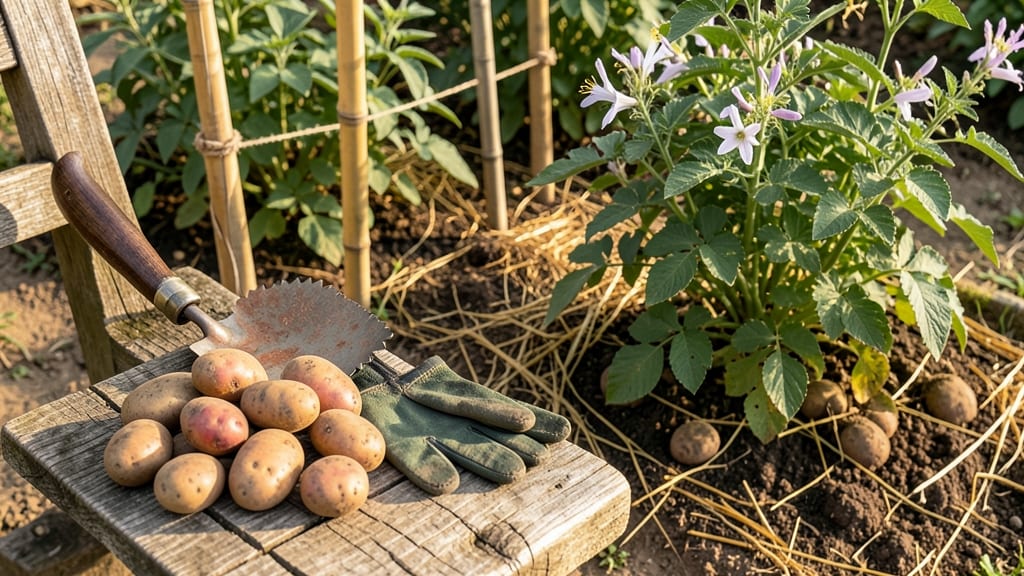
Plant potatoes in Wisconsin after the last frost, when soil temperatures hit 45°F—typically mid-April to early May for most of the state.
Wisconsin gardeners know timing is everything—plant potatoes too early, and frost will ruin your crop; too late, and you’ll miss peak harvest season. Mastering the frost-free window by zone ensures bumper yields of crisp, homegrown spuds.
In USDA zones 4b-5b, the average last frost date lands in mid-May, but soil warms faster in southern Wisconsin (like Milwaukee) than in cooler areas (like Eau Claire). That’s why checking soil temps—not just calendar dates—is the key to success.
Below, I break down the best planting windows by region, how to prep your soil for maximum yield, and the simple tricks to extend your harvest into early fall.
Wisconsin potato planting timeline by hardiness Zone (with frost date maps)
Wisconsin’s USDA Zones 3-5 create distinct planting windows for potatoes, where a late frost can wipe out young plants overnight. I’ve grown potatoes in both Zone 4b (Milwaukee) and Zone 5a (Eau Claire), and the difference in timing is critical.
The key? Planting after the last frost date and when soil temperatures hit 45°F—any earlier, and your tubers rot in the cold.
Northern Wisconsin (Zones 3-4) has a shorter growing season, while southern areas (Zone 5) can push harvests later. For example, Madison’s last frost averages May 15, while Green Bay’s is May 22.
Use these soil temperature thresholds as your guide: 45°F for planting, 55°F for optimal growth. A soil thermometer is your best friend here.
🌱 Pro Tip: Start seed potatoes indoors in March for a head start, especially in northern WI. Use a paper towel germination method to speed up sprouting before transplanting outdoors.
| Zone | Last Frost Date | Planting Window | Soil Temp Threshold | Harvest Window | Regional Example |
|---|---|---|---|---|---|
| Zone 3 (North) | May 20–25 | Late April–May 10 | 45°F+ (soil) | Late July–early Sept | Eau Claire, Superior |
| Zone 4 (Central) | May 10–15 | Mid-April–May 5 | 45°F+ (soil) | Mid-July–early Oct | Madison, Wausau |
| Zone 5 (South) | April 25–May 5 | Early April–April 30 | 45°F+ (soil) | Late June–mid-Oct | Milwaukee, Janesville |
📌 Note: Check Harvest Weather for real-time frost alerts.
For northern Wisconsin (Zone 3), prioritize early-maturing varieties like ‘Yukon Gold’ (90 days) or ‘Red Norland’ (85 days). These can escape early frosts and still yield 2–3 lbs per plant.
In Zone 5, you can afford slightly later varieties like ‘Kennebec’ (110 days) or ‘Russet’ (120 days), but plant them by May 1 to avoid heat stress.
Soil prep is non-negotiable. Test your soil’s pH (5.0–6.5 ideal) and amend with compost or aged manure—potatoes are heavy feeders. I once planted in clay-heavy soil in Eau Claire and ended up with deformed tubers because of poor drainage.
Amend with sand or peat moss if needed, and avoid fresh manure (it burns roots).
Spacing matters too. Plant seed potatoes 4 inches deep, 12 inches apart in rows 30 inches apart. This gives tubers room to grow and reduces blight risk by improving airflow.
In containers, use 5-gallon buckets with drainage holes—just be ready to harvest earlier (by June 15 in most zones).
🌡️ Watch for: A 3-day forecast of 50°F+ nights before planting. Sudden cold snaps in May are common, especially in northern WI. Use row covers or straw mulch to protect young plants if frost threatens. I’ve saved entire rows this
5 Signs your Wisconsin potato planting time is perfect (and 3 mistakes to avoid)
Timing your potato planting in Wisconsin means the difference between a bountiful harvest and wasted seed potatoes. The last frost date isn’t the only factor—soil temperature, plant readiness, and weather forecasts all play critical roles.
I’ve learned that even a week too early can expose your crop to frost damage, while planting too late cuts your harvest window short.
Mastering these 5 key signs ensures your potatoes thrive from sprouting to harvest. But first, let’s tackle the 3 common mistakes that Wisconsin gardeners make—mistakes that can turn your garden dreams into disappointment. Avoiding these pitfalls starts with understanding when your plants and soil are truly ready.
- 1 Soil temperature hits 45°F – Use a soil thermometer to confirm. Cold soil delays sprouting and invites rot. In Wisconsin, this typically aligns with mid-April to early May, but northern zones (like Zone 3) may wait until late May.
- 2 Seed potatoes sprout ½-inch – Healthy eyes (sprouts) indicate readiness. If your seed potatoes haven’t sprouted by planting time, soak them in water for 12 hours to jumpstart growth. Avoid planting green or shriveled potatoes—they won’t thrive.
- 3 Weather forecast shows 3+ frost-free days – Check the National Weather Service or Wisconsin State Climatology Office for your local last frost date. A sudden cold snap can kill young plants. Pro tip: Plant early varieties first if frost is still a risk.
- 4 Soil is crumbly and drains well – Press a handful of soil; it should break apart easily without clumping. Wisconsin’s clay-heavy soils (common in the north) need compost or sand to improve drainage. Waterlogged soil leads to rotten tubers.
- 5 No more nighttime frosts predicted – Young potato plants are frost-sensitive. Even a light frost can stunt growth. Use row covers or wait until the forecast confirms consistent warmth before planting.
Now that you know the perfect signs, let’s address the 3 mistakes that can sabotage your potato patch. First, planting too deep (deeper than 4 inches) forces tubers to grow upward, resulting in small, misshapen potatoes.
Second, ignoring soil moisture—either overwatering or letting the soil dry out—leads to blight or stunted growth. Finally, skipping hilling (piling soil around stems) exposes tubers to sunlight, turning them green and toxic.
To avoid these errors, I recommend testing your soil a week before planting and keeping a gardening journal to track soil temperature and moisture. In Wisconsin, where unpredictable spring weather is the norm, flexibility is key.
If your plants show yellowing leaves or stunted growth after planting, it’s often a sign of cold soil or poor drainage—not a failed crop.
Remember, the ideal planting window in Wisconsin spans from mid-April to early May, but your local microclimate matters. Urban areas like Milwaukee (Zone 5b) can plant earlier than rural Eau Claire (Zone 4a).
When in doubt, plant early varieties first—they mature faster and give you a safety net if late frosts hit.
With these signs and tips, you’re ready to plant potatoes with confidence. Happy gardening—your future harvest of crisp, homegrown spuds starts now! 🥔