
Plants
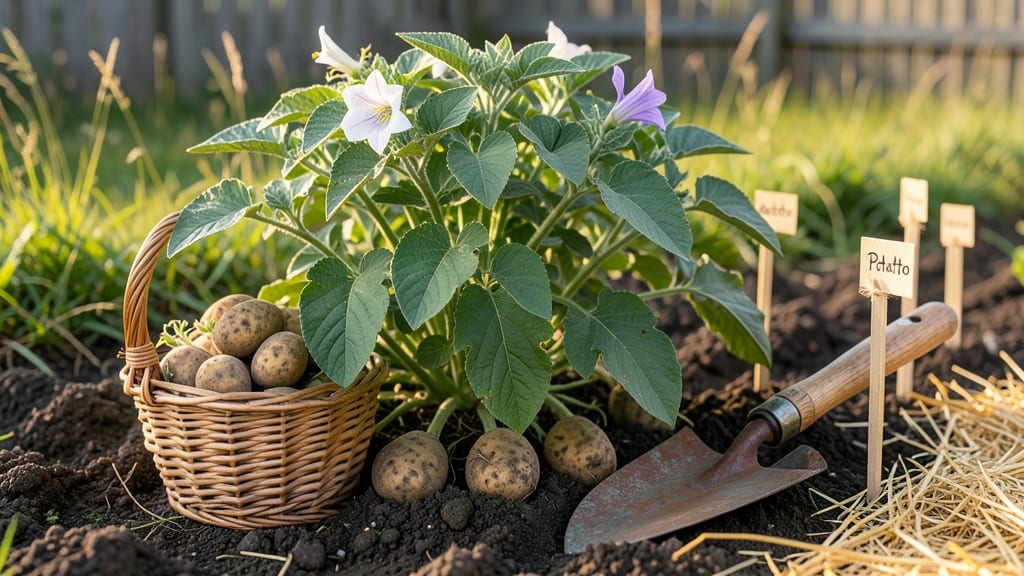
Planting potatoes in Oklahoma at the right time means the difference between a bountiful harvest and a wasted season—and the clock starts ticking as soon as the soil warms.
Oklahoma’s unpredictable weather can make or break your potato harvest—plant too early and risk frost damage; too late and miss peak yields. Timing is everything for thriving spuds in the Sooner State.
With USDA Zones 6b-8a stretching from the Panhandle to the Arkansas border, your planting window varies by 100 miles. Northern Oklahoma gardeners should aim for early March, while southern growers can start as early as February for early varieties.
In this guide, I’ll break down the exact frost-free timeline for your region, the best varieties for Oklahoma’s heat and drought, and how to adjust for late frosts or early heatwaves—so you can grow more potatoes with less guesswork.
Oklahoma’s frost-free planting windows for potatoes by region
Oklahoma’s diverse climate means your potato planting window depends heavily on where you live. Northern regions like Tulsa and Oklahoma City face later frosts, while Southern areas like Lawton and Ardmore enjoy earlier warm-ups.
Getting the timing right ensures healthy tubers and avoids frost damage or stunted growth. Let’s break down the best planting dates for each region, including heat-tolerant varieties that thrive in Oklahoma’s summer heat.
Potatoes need 45°F soil temperatures and frost-free conditions to sprout properly. In Oklahoma, this typically means waiting until mid-March to early April for most areas, but exact dates vary by USDA Zone and microclimate.
For example, the panhandle region can plant as early as late February, while the Arkansas River Valley often waits until early April. Understanding these differences is key to maximizing your yield.
Here’s a side-by-side comparison of frost-free planting windows for Oklahoma’s three key regions, including last-frost averages and recommended varieties for each zone. Use this as your guide to plan your potato harvest for a bountiful summer.
For Northern Oklahoma, where frosts linger until mid-April, focus on early-maturing varieties like Yukon Gold. These spuds tolerate cooler soils and still deliver a 60-90 day harvest before summer heat sets in.
Plant your seed potatoes in late March to avoid frost damage while giving plants time to establish roots before the heat arrives.
In Central Oklahoma, including Stillwater, you can start planting as early as late February for heat-tolerant varieties like Red LaSoda. These potatoes thrive in warmer soils and produce high yields even when temperatures climb.
Aim to have your crop in the ground by March 25 to avoid late-spring heat stress, which can reduce tuber quality.
Southern Oklahoma’s earlier frost-free dates (as early as mid-March) allow for a longer growing season. Varieties like Russian Banana excel here, producing long, slender tubers perfect for baking. Plant in late February for an early harvest or early March for a main crop.
Just be mindful of summer droughts—these areas often need additional irrigation to maintain soil moisture.
Regardless of your region, always chit your seed potatoes (sprout them indoors) 4-6 weeks before planting. This gives your tubers a head start and ensures uniform germination once they’re in the ground.
For container growing, use heat-tolerant varieties like Purple Viking and plant in black pots to absorb and retain heat.
Pro tip: If you’re in a transition zone (like the Oklahoma City metro area), consider planting a successive crop. Start with early varieties in March and follow up with main crop varieties in mid-April to extend your harvest window.
This strategy helps you beat Oklahoma’s unpredictable weather and ensures a steady supply of fresh potatoes.
Finally, always monitor your local frost forecasts in the weeks leading up to planting. Oklahoma’s microclimates can create drastic differences even within a few miles. Use a frost cloth for early plantings if late frosts are forecasted, and consider raised beds to warm the
How to adjust planting for Oklahoma’s unpredictable weather patterns
Oklahoma’s sudden temperature swings and late frosts can turn your potato patch into a gamble. One week you’re shivering through March freezes, the next you’re dodging May heatwaves.
The key to success? Flexibility. I’ve learned to adapt my planting strategy based on soil warmth, frost alerts, and drought risks—not just the calendar.
Start by monitoring your local frost dates. In northern Oklahoma, a late frost can hit April 15, while southern regions might be safe by March 20. Use frost-protective fabrics or row covers to shield young plants if frost warnings appear.
These lightweight barriers trap heat without smothering your potatoes—just remove them once daytime temps stay above 50°F.
🌱 5 Proactive Strategies for Oklahoma’s Weather
- 🌡️ 1. Soil Warming: Use black plastic mulch or straw bales 2 weeks before planting to raise soil temps to 45°F+. Test with a soil thermometer—potatoes won’t sprout in cold soil!
- 🧥 2. Frost Cloth Alternatives: Try floating row covers or old bedsheets secured with bricks. Remove by 10 AM to prevent overheating.
- 💧 3. Drip Irrigation: Install soaker hoses at planting to deliver 1-1.5 inches of water weekly. Oklahoma’s dry winds evaporate moisture fast!
- 🌿 4. Drought-Resistant Varieties: Choose Yukon Gold or Red Pontiac—they tolerate heat better than Russets. Avoid fingerlings in dry spells.
- ☀️ 5. Shade Cloth: For June heatwaves, drape 30% shade cloth over plants. This prevents blossom-end rot and keeps tubers from cooking in the soil.
Don’t ignore early heatwaves either. If temps soar above 90°F before your potatoes are established, their growth stalls. I’ve had success with succession planting: sow half my seed potatoes in March and the rest in late April. This spreads out your harvest and reduces risk from extreme weather.
For drought-prone areas, focus on moisture retention. Amend your soil with compost and aged manure before planting—this improves water-holding capacity. Mulch heavily with straw or grass clippings to lock in moisture. In my western Oklahoma garden, this trick adds 3-5 extra days between waterings during dry spells.
Finally, keep an eye on weather forecasts and adjust your schedule. If a cold snap is predicted, delay planting until after April 15 in northern zones. For early varieties, use grow lights indoors in February to get a head start—just transplant outdoors after the last frost.
Every little advantage counts in Oklahoma’s unpredictable climate!
With these strategies, you’ll turn Oklahoma’s weather quirks into opportunities—not obstacles. Your potatoes will thank you with bigger yields and fewer surprises at harvest time. 🥔