
Plants
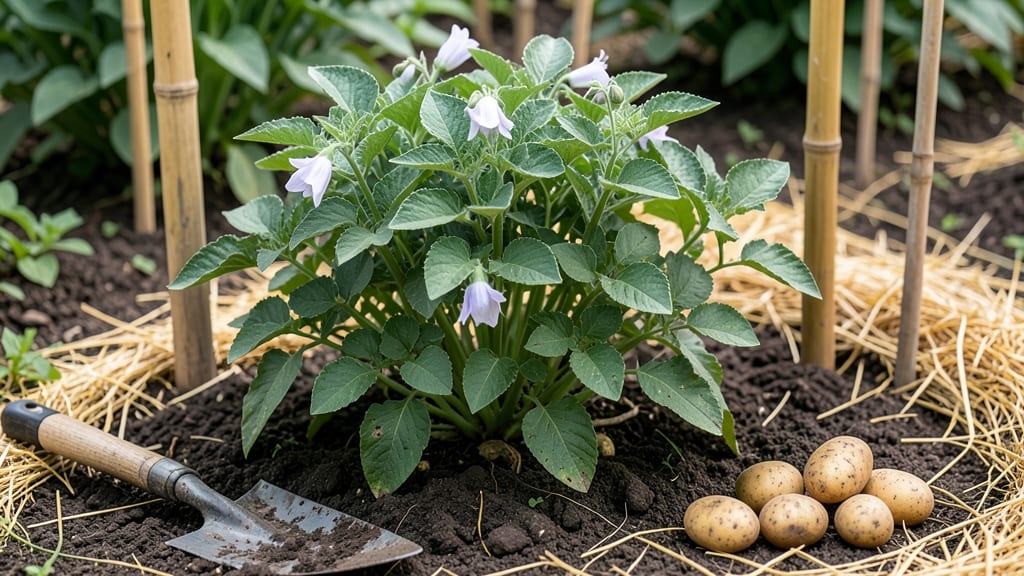
Planting potatoes in Utah means timing your 🥔 harvest around frost-free windows that shift wildly from desert lowlands to mountain valleys.
Miss the window by even a week, and you risk stunted tubers or blighted plants—especially in USDA Zones 5a-7b, where late frosts linger into May. The key? Knowing exactly when to plant depends on your elevation, soil temperature, and whether you’re growing early varieties or fall crops.
Here’s the breakdown: Mid-April to early May is prime for spring plantings, but high-altitude gardeners in places like Park City should wait until early May. Fall plantings? Late August to early September gives tubers time to mature before the first frost hits.
We’ll cover frost dates by elevation, soil prep tricks for Utah’s alkaline soils, and the best cold-hardy varieties to maximize your yield—no guesswork, just data-driven timing.
Utah’s ideal potato planting windows by elevation zone
Utah’s dramatic elevation shifts—from the Great Salt Lake’s lowlands to the Wasatch Mountains’ peaks—create wildly different growing seasons for potatoes.
In lowland areas (2,000–4,000 ft), like St. George, you can plant as early as mid-March, while highland zones (6,000+ ft), like Park City, may not see frost-free conditions until late May.
These differences mean your planting window could span a full month depending on where you live.
To succeed, focus on three key factors: soil temperature (potatoes need 45°F+ to sprout), last-frost dates (varies by USDA Zone 5b–8a), and daylength. Utah’s high desert climate also means dry soil warms faster than moist soil, so timing matters more than in humid regions.
Let’s break down the best planting windows for each elevation zone.
Pro Tip: Use row covers to extend your season by 2–3 weeks in cooler zones, or plant cold-hardy varieties like Yukon Gold or Red Pontiac for earlier harvests. These adaptations can add critical growing days in Utah’s short season.
For lowland Utahans (USDA Zones 7a–8a), like those in St. George or Cedar City, the spring planting window opens in mid-March—but only if your soil stays above 45°F. Test soil temperature with a soil thermometer; potatoes won’t sprout in colder conditions.
In these zones, you can also squeeze in a fall planting as late as mid-September, giving tubers time to mature before first frost (mid-October).
Mid-elevation gardeners in Salt Lake City or Provo (Zones 6a–7a) should wait until late April to early May to plant. These areas experience later frosts and cooler nights, so row covers are almost essential for early starts.
If you’re in a high-altitude zone (6,000+ ft), like Park City or Heber Valley, hold off until late May—soil may still be too cold, and first frost arrives as early as mid-September.
Key Insight: Utah’s high desert climate means soil warms faster than humid regions, but it also dries out quickly. Plant 2–3 weeks before your last frost date to account for slow sprouting in cooler soil. For example, in Zone 7a (Salt Lake City), plant by April 15 even if frost isn’t expected until May 1.
Don’t overlook fall planting, which can yield sweeter, smaller potatoes in Utah’s cooler months. In lowland zones, aim for late August; in highland zones, plant by early September to ensure tubers mature before first frost.
Use early-maturing varieties like ‘Red LaSoda’ (60 days) or ‘Kennebec’ (80 days) for fall harvests.
One common mistake is planting too deep in cold soil, which delays sprouting. Bury seed potatoes 4 inches deep in warm soil (50°F+) and 6 inches deep in cooler conditions.
Also, hilling soil around stems as plants grow improves tuber formation—critical in Utah’s alkaline soils, which can stunt growth if not amended with compost or sulfur.
How to adjust planting dates for Utah’s microclimates
Utah’s microclimates can shift potato planting windows by weeks—even between Salt Lake City and Park City, just 50 miles apart!
High-altitude areas like Park City (6,000+ ft) often wait until May 1 for safe planting, while lowland zones (2,000–4,000 ft) near St. George can start as early as March 15. The key is matching your last frost date with soil temperatures above 45°F.
For cold-hardy varieties like Yukon Gold or Red Pontiac, use row covers to push planting dates earlier by 2–3 weeks. These varieties tolerate light frosts (down to 28°F) and thrive in Utah’s short growing season.
In high-altitude zones, focus on early-maturing varieties (90-day harvest) to avoid first frost in September.
- Salt Lake City (4,200 ft): Plant April 15–May 1 after last frost (avg. April 10). Use row covers for March 20 starts with cold-hardy varieties.
- Park City (6,500+ ft): Wait until May 1–15 for soil temps > 50°F. Early-maturing varieties (e.g., Red LaSoda) are best for 90-day harvests before first frost (Sept 15).
- St. George (2,800 ft): Start March 1–15 for longer growing seasons. Fall planting possible August 1–15 for harvest before winter rains.
- Row covers extend season by 2–4 weeks in high-altitude zones. Remove when tuber formation begins (flowers fade).
- Soil prep tip: Amend alkaline Utah soils with peat moss or compost to lower pH to 5.0–6.5 for optimal tuber growth.
In urban areas like Salt Lake City, container gardening lets you start indoors in February and transplant after last frost. Choose compact varieties like ‘Red Norland’ (10-inch tubers) for pots. For rural areas, prioritize soil drainage—Utah’s clay-heavy soils need raised beds or sandy amendments to prevent rot.
Extend your season with succession planting: After harvesting early varieties in June, replant fast-maturing types (e.g., ‘Goldrush’) for a late-summer crop. In high-desert zones, mulch heavily with straw to retain moisture and protect tubers from temperature swings.
Pro tip: Check USU Extension’s frost maps for real-time updates—Utah’s microclimates can shift frost dates by 2+ weeks year to year. For fall planting, aim for August 15–September 1 to harvest before first frost.
With these adjustments, you’ll maximize your Utah potato harvest—whether you’re in a mountain valley or desert lowland. Happy planting! 🌱