
Vegetables
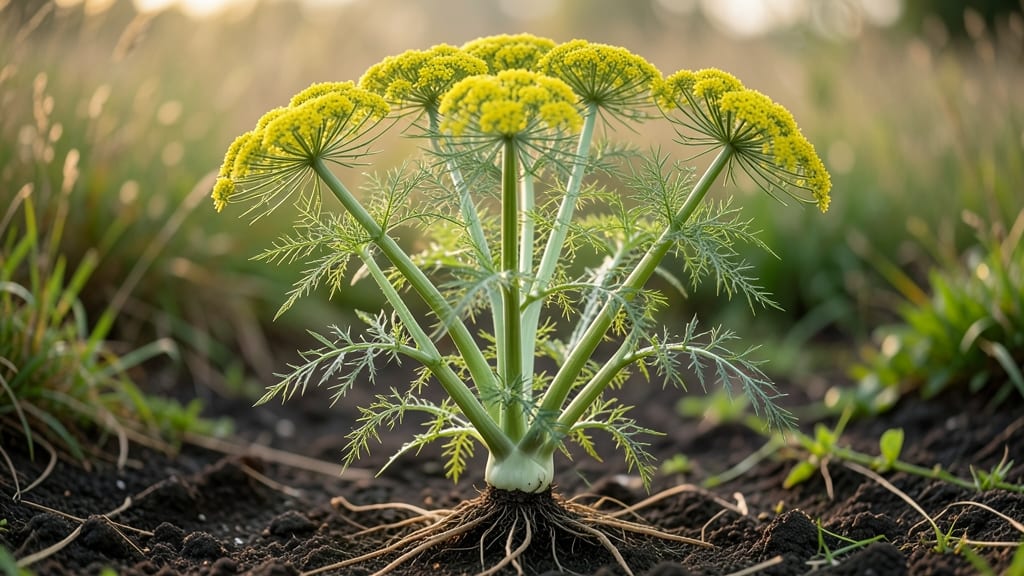
Growing fennel can mean dealing with a plant that towers over your garden bed—how tall does fennel grow when left unchecked, sometimes stretching up to 6 feet or more?
Wondering how much space to allocate for fennel in your garden? This aromatic herb can reach surprising heights—sometimes towering over your other plants if left unchecked.
Understanding fennel’s growth habits is key to maximizing yield while keeping your garden organized. Whether you’re growing it for its feathery fronds or the bulb, knowing the right spacing and pruning techniques can make all the difference.
Below, I’ll break down how tall fennel grows under different conditions, how to control its height, and when to harvest for the best flavor and yield.


Fennel plant height: how tall it grows under different conditions
Fennel is one of those plants that can surprise you with its height and growth speed. Whether you're growing bulb fennel for its edible base or frond fennel for its feathery leaves, understanding its mature size helps you plan your garden layout.
Without proper spacing, fennel can quickly outgrow its neighbors, reaching heights that may dominate your herb bed or vegetable patch.
Most gardeners focus on two main types: bulb fennel (like Foeniculum vulgare 'Azur') and florence fennel (the variety with swollen bases). The fronds, however, are the real height champions, often towering over 5 feet tall in ideal conditions.
Your local climate, soil quality, and even your watering habits can push those stems even higher—or keep them more manageable.
🌱 Did You Know? Fennel's height isn't just about genetics—it's also about how you care for it. A well-fed plant in full sun will grow taller than one struggling in partial shade or poor soil. Let's break down what to expect based on your growing conditions.
If you're growing bulb fennel, the swollen base rarely exceeds 2 feet tall, but the feathery fronds can add another 1–2 feet of height. This makes it a great choice for smaller gardens or containers, as long as you're okay with the top-heavy look.
The key to keeping bulb fennel manageable is harvesting the bulbs early—once they reach 2–3 inches in diameter—before they divert energy upward.
For frond fennel, height is less about the bulb and more about the airy stems and leaves. Left unchecked, these can shoot up to 5 feet or more, especially in warm climates like USDA Zones 8–10.
In cooler regions (Zones 3–6), growth may slow slightly, but with proper care, you can still expect 3–4 feet of height. The secret to controlling frond fennel's height is regular pruning—cutting back by one-third encourages bushier growth and prevents toppling.
Your local climate plays a huge role in fennel's height. In humid Southern gardens, fennel may grow taller but weaker stems, while dry Western climates can stunt growth if not watered consistently.
In the Northeast or Midwest, where summers are hot but winters are cold, fennel often matures faster, reaching its full height by mid-summer. If you're in a cooler coastal area, growth may be slower, but the plants tend to be more sturdy.
Soil quality also impacts height—poor, rocky soil will result in shorter, less vigorous plants, while rich, well-amended soil can push fennel to its maximum potential. I always recommend adding compost or aged manure before planting to give your fennel the nutrients it needs to grow tall and strong.
A pH between 6.0–7.0 is ideal, so test your soil if you notice stunted growth.
Sunlight is another critical factor. Fennel needs at least 6 hours of full sun daily to reach its full height. In partial shade, expect plants to grow 1–2 feet shorter than their sun-loving counterparts.
If you're growing fennel in containers, place them in the sunniest spot on your patio or balcony—even a few hours of morning sun can make a difference in height and flavor.
Finally, don’t forget that pruning and harvesting can influence how tall your fennel grows. Regularly harvesting outer fronds encourages new growth and keeps the plant from becoming too top-heavy.
For bulb fennel, removing the flower stalks redirect energy to the bulb, resulting in a larger base rather than a taller plant. If you're growing fennel for its seeds, however, let it flower and mature—this will push the height even higher.
With these tips in mind, you can now confidently plan your garden layout to accommodate fennel’s
Optimal garden spacing for fennel to prevent overcrowding
Fennel’s impressive height—especially frond fennel—means spacing can make or break your harvest. If planted too closely, these tall, feathery plants compete for nutrients, leading to stunted growth and poor bulb development.
I’ve learned the hard way that cramming fennel into tight spaces results in leggy, weak stems and bitter flavors. The key is giving each plant enough room to thrive while keeping your garden layout functional.
First, identify whether you’re growing bulb fennel (like ‘Mammoth’ or ‘Dwarf’ varieties) or frond fennel (the leafy herb type). Bulb fennel typically matures at 1–2 feet tall and benefits from closer spacing, while frond fennel can soar to 5–6 feet and needs generous room.
Misjudging this can turn your fennel patch into a tangled mess of oversized leaves and undersized harvests.
🌱 Fennel Spacing Essentials
- 📏 Bulb fennel: Space 12–18 inches apart in rows 24 inches apart to prevent bulb competition.
- 🌿 Frond fennel: Allow 24–36 inches apart in rows 36 inches apart for full leaf development.
- 🪴 Container gardening: Use 1 large pot (12"+ diameter) per plant or 3 plants in a 20"+ pot with excellent drainage.
- 🌡️ Climate adjustments: Add 4–6 extra inches of spacing in hot, humid climates to reduce fungal risks.
- ✂️ Pruning tip: Thin seedlings to strongest 2–3 plants per spot to avoid overcrowding early.
Companion planting is another trick I swear by to maximize space and health. Pair fennel with carrots, onions, or bush beans, which benefit from its pest-repelling properties. Avoid planting near dill or coriander, as they can cross-pollinate and affect flavor.
In my raised beds, I’ve found that interplanting fennel with shallots or lettuce works beautifully—the shallots thrive in the fennel’s dappled shade, while the lettuce stays cool under its towering leaves.
For container gardening, fennel’s height becomes a double-edged sword. While it’s possible to grow frond fennel in pots, you’ll need deep containers (at least 12 inches deep) to accommodate those long taproots.
I’ve had success with fabric grow bags for bulb fennel, spacing them 18 inches apart in a 5-gallon container. The key is monitoring soil moisture—containers dry out faster, and fennel hates soggy roots, so mulch heavily with straw to retain moisture.
A common mistake I see (even among experienced gardeners) is assuming that more fennel = better harvest. Overcrowding leads to yellowing leaves, small bulbs, and even bolting (premature flowering).
To fix this, I now mark my planting grid with wooden stakes before sowing seeds, ensuring I stick to the spacing guidelines. If you’ve already planted too closely, thin aggressively—keep only the healthiest, most central plants and use the thinnings in salads or pest traps.
Finally, adjust your spacing based on your harvest goals. If you’re growing fennel for bulbs, prioritize tighter spacing to encourage bulb development. For feathery fronds, give them room to spread and focus on pruning outer leaves to maintain air circulation.
With the right spacing, your fennel will reward you with bold flavors and lush greenery—without taking over your garden like an uninvited giant. 🌿