
Plants
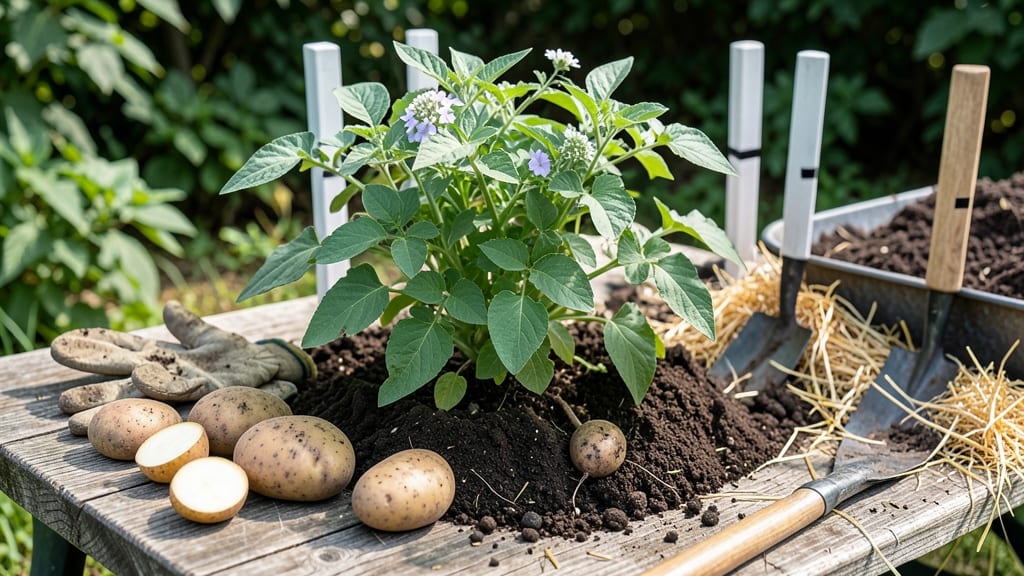
Plant potatoes in Kansas when soil temperatures hit 45–50°F—typically mid-March to mid-April for spring harvests, or late July for fall crops.
Kansas gardeners know timing is everything—plant potatoes too early, and frost will ruin your crop; too late, and blight steals your harvest. Mastering the perfect window means healthier tubers and bigger yields, all thanks to soil temperature secrets.
Most 🥔 varieties thrive when planted 4–6 weeks before your last frost date, but Kansas’ varied microclimates mean eastern regions can start earlier than the western plains. Early potatoes like Yukon Gold need that head start, while late varieties like Red Pontiac can wait until April.
Below, I’ll break down the exact soil temp tests, regional adjustments for USDA Zones 5b–7a, and the one trick that adds 2 extra weeks to your growing season without risking frost damage.
Ideal Kansas potato planting dates based on soil temperature
Getting your potatoes in the ground at the right time in Kansas means the difference between a bumper crop and wasted seed potatoes.
The key? Soil temperature—potatoes thrive when the soil reaches 45-55°F, signaling the ground is warm enough for root development without inviting frost damage or disease pressure. In Kansas, where USDA Zones 5-7 create microclimates, timing varies by region, variety, and even elevation.
Eastern Kansas (Zone 6-7) typically warms up faster than western (Zone 5-6), but both regions face unique risks. Early varieties like Yukon Gold need planting 4-6 weeks before last frost, while late varieties like Red Pontiac can wait until soil hits 50°F consistently.
Let’s break down the perfect planting windows to avoid common pitfalls like blackleg disease or frost-heaved tubers.
🌱
| Region | USDA Zone | Ideal Planting Window | Soil Temp Threshold | Best Varieties | Last Frost Date |
|---|---|---|---|---|---|
| Eastern Kansas | 6-7 | Mid-March to early April | 45-50°F (steady) | Yukon Gold, Kennebec | April 10-15 |
| Central Kansas | 5b-6 | Late March to mid-April | 48-52°F (steady) | Red Pontiac, Russet | April 15-20 |
| Western Kansas | 5a-5b | Late April to early May | 50-55°F (steady) | Fingerling, Purple Viking | April 25-May 5 |
| All Regions (Fall) | 5-7 | Late July to early August | 55-60°F (daytime) | Early varieties only | N/A |
In eastern Kansas, where springs arrive earlier, you can start planting seed potatoes as early as mid-March if the soil hits 45°F. This region’s warmer microclimate suits early varieties like Yukon Gold, which mature in 90 days and avoid the late-spring blight that plagues slower growers.
Use a soil thermometer to confirm readiness—planting too soon risks frost damage to emerging sprouts.
Central Kansas gardeners should wait until late March to mid-April, aiming for 48-52°F soil. This USDA Zone 5b-6 area balances frost risk with disease pressure, making it ideal for mid-season varieties like Red Pontiac.
Pro tip: Chit your seed potatoes 4-6 weeks before planting to jumpstart growth in cooler soils.
Western Kansas (Zone 5a-5b) demands patience—wait until late April to early May when soil reaches 50-55°F. The delayed planting window reduces early blight risks but extends the growing season for longer-day varieties.
If you’re tempted to plant earlier, use black plastic mulch to warm the soil faster and protect tender sprouts.
For a fall harvest, Kansas gardeners can plant early varieties like Red LaSoda in late July to early August, targeting a 90-day maturity before the first frost.
Soil should be 55-60°F during the day to ensure tubers develop properly. This strategy works best in Zone 6-7 areas where summers are long enough for a second crop.
Regardless of region, always test soil temperature at 6 AM (when it’s coolest) to avoid overestimating warmth. If temperatures fluctuate, delay planting by 1-2 weeks—better to wait than risk rotten tubers from inconsistent soil conditions. With these soil temperature guidelines, you’ll maximize your potato yield
How to test soil temperature for perfect potato planting timing
Potatoes thrive when planted in soil that's warmed to 45–55°F, but Kansas' unpredictable springs make timing tricky. A soil thermometer is your best tool to avoid frost damage or blight risks. Without one? I'll show you DIY methods that work just as well—like using peas as nature's thermometer!
Morning is the ideal time to test soil temperature because overnight cooling gives you the most accurate reading. For best results, measure 4–6 inches deep—this matches where your seed potatoes will sit. If your thermometer shows below 45°F, wait a few days before planting.
How to Test Soil Temperature for Potatoes
- Gather your tools: Soil thermometer (or DIY alternative), garden trowel, notebook.
- Choose your spot: Select the exact location where you’ll plant potatoes—don’t test random soil!
- Test in the morning: Insert the thermometer 4–6 inches deep (where seed potatoes will sit) and wait 2–3 minutes for an accurate reading.
- Check the temperature: Aim for 45–55°F. Below 45°F? Wait 3–5 days and retest.
- DIY alternative: Plant peas or radishes in test pots. If they sprout in 7–10 days, your soil is warm enough for potatoes!
- Adjust for late frosts: If your area has a history of late frosts, plant 2–3 weeks earlier in well-draining soil to compensate.
For cool springs, like those in western Kansas, consider using black plastic mulch to warm the soil faster. Lay it down 1–2 weeks before planting to raise temperatures by 5–10°F.
In eastern Kansas, where springs warm quicker, you might plant as early as mid-March if soil temps hit 50°F.
If you’re planting late varieties like Red Pontiac, wait until soil reaches 50–55°F to avoid tuber rot. Early varieties like Yukon Gold can handle slightly cooler soil (45–50°F), but never plant when frost is forecasted within 24 hours—even hardened tubers can’t survive.
Pro tip: Keep a garden journal to track soil temps year after year. Over time, you’ll spot patterns—like why your south-facing plot warms faster than the north side. Share your notes with fellow Kansas gardeners to build a community-wide planting guide!