
Vegetables
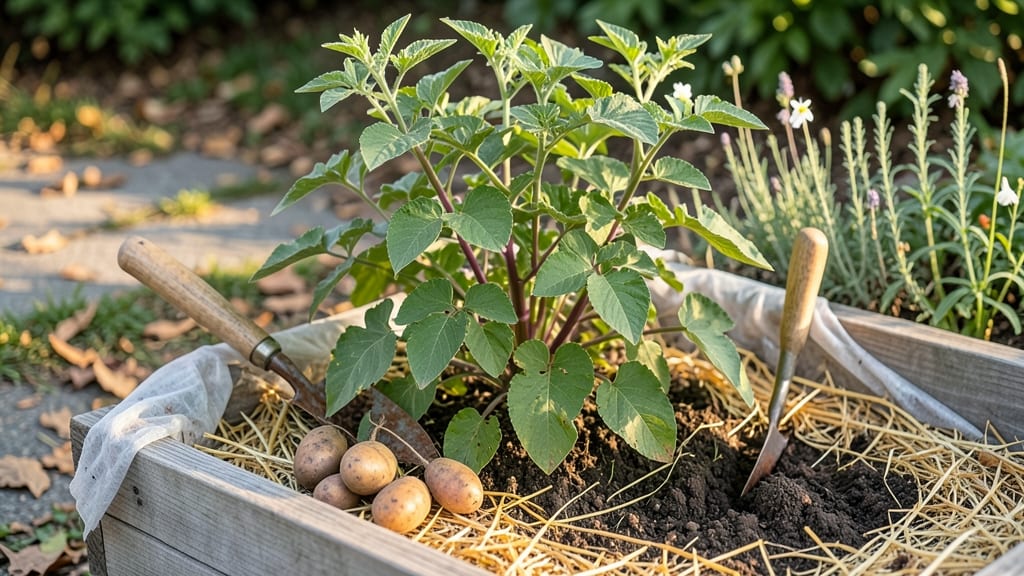
To plant potatoes in Michigan, aim for mid-April to early May after the last frost when soil warms to 45°F+ — timing that avoids both early freezes and late-season blight.
Michigan gardeners know timing is everything—plant potatoes too early, and frost will ruin them; too late, and your harvest shrinks. Whether you're in Detroit's urban gardens or the Upper Peninsula's cooler zones, nailing the frost-free window is the key to bountiful spuds.
This guide breaks down Michigan's planting zones (4a–6b), soil temperature thresholds, and variety-specific schedules to help you avoid common mistakes like blackened stems or stunted growth.
You'll learn how to adjust planting dates for early vs. late varieties, use chitting for a head start, and leverage Michigan State University Extension data to maximize your yield.
Michigan potato planting calendar by hardiness Zone (with frost dates)
Michigan’s diverse climate means your potato planting window varies dramatically from the Upper Peninsula (Zone 4a) to southern Zone 6b.
Getting the timing right ensures your tubers form properly—plant too early and frost will blacken your seed pieces, while late planting risks stunted growth before first frost arrives. Let’s break down the ideal planting dates by zone, using MSU Extension frost data and soil temperature thresholds.
Potatoes thrive when soil temperatures consistently stay above 45°F. This threshold signals the moment to plant, regardless of calendar dates. In cooler northern zones, you might need to chit your seed potatoes (pre-sprout indoors) to jumpstart growth.
Southern Michigan gardeners can plant earlier, but watch for late spring frosts—they’re common even in Zone 6a.
Here’s your zone-by-zone planting calendar, including historical frost dates from 2024 MSU data for Zones 4b, 5a, and 6a. Use these as guidelines, but always check your local frost-free date for precision.
For Zone 4a gardeners, patience is key—wait until late May when soil finally warms. In contrast, Zone 6b gardeners can start as early as March if using black plastic mulch or row covers.
Always test soil temperature with a soil thermometer (or your finger—it should feel warm, not cold).
Pro tip: If your area has unpredictable frosts (like northern Michigan), plant a mix of early, mid-season, and late varieties to stagger your harvest. For example, Red LaSoda (60 days) pairs well with Kennebec (90 days) in the same bed.
This way, you’ll have new potatoes in June and storage spuds by October.
Michigan State University Extension recommends adding compost or aged manure to your planting bed before potatoes go in. This boosts soil fertility and helps tuber formation. Work the amendment into the top 6–8 inches of soil, where most of your potatoes will grow.
Avoid fresh manure—it can burn roots and attract pests like colorado potato beetles.
One common mistake? Planting too shallow. Bury seed potatoes just 4 inches deep—deeper means fewer tubers near the surface, while shallower planting exposes them to light, turning them green and toxic. Use a planting basket or hill soil around stems
How to adjust planting time for early vs late varieties in Michigan’s climate
Michigan’s short growing season demands precision when planting potatoes—especially with early, mid-season, and late varieties. Each type thrives at different temperatures, so aligning planting dates with your zone and variety prevents blight and maximizes yield.
For example, red potatoes (early) need a head start, while russets (late) can wait until soil warms.
The key is staggering your harvest by planting early varieties first, then mid-season, and finally late varieties. This way, you avoid overcrowding in your garden and enjoy fresh potatoes all summer.
In Zone 4b (northern Michigan), start early varieties indoors 4–6 weeks before your last frost date, while in Zone 6a (southern Michigan), you can plant directly into warmed soil.
- Early Varieties (Red Potatoes): Start chitting seeds indoors 2–3 weeks before last frost (mid-April for most zones). Plant outdoors when soil reaches 45°F+ and frost risk drops below 10%. Harvest in 60–75 days.
- Mid-Season (Yukon Gold): Plant directly into soil when it’s 50°F+ (late April–early May). Use black plastic mulch to warm soil faster in cooler zones. Harvest in 75–90 days.
- Late Varieties (Russets): Wait until soil is 55°F+ (mid-May) and plant after early varieties. Use row covers for extra warmth. Harvest in 90–110 days.
For a 2–3 week head start, try chitting your seed potatoes. Place them in a bright, cool spot (50–60°F) with their eyes facing up. After 2–3 weeks, you’ll see 1-inch sprouts, which jumpstart growth.
This is especially critical for early varieties in northern Michigan, where the season is shorter.
In cooler zones like the Upper Peninsula, extend your season with soil warming hacks. Lay down black plastic mulch 1–2 weeks before planting to raise soil temps by 5–10°F. Alternatively, plant in raised beds, which warm up faster than in-ground soil.
For containers, use grow lights or move pots to a sunnier spot during cooler mornings.
Staggering harvests also reduces disease risk. Late blight thrives in crowded, humid conditions, so spacing out plantings ensures some tubers mature before others become vulnerable.
For example, if you plant red potatoes in early May and russets in late May, you’ll avoid a single massive harvest window that invites pests.
Pro tip: Keep a planting journal to track which varieties thrive in your microclimate. Note soil temps, frost dates, and harvest yields to refine your schedule each year.
Over time, you’ll master the perfect timing for your garden’s unique conditions—whether it’s Detroit’s urban heat islands or the UP’s cooler breezes. 🌱