
Plants
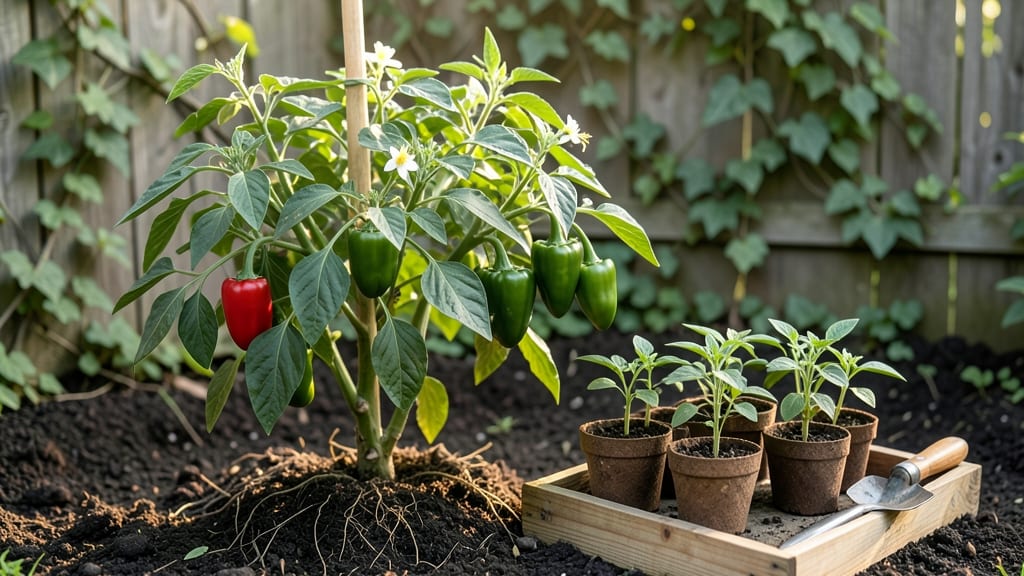
Planting peppers in Oklahoma after the last frost—typically between April 15 and May 30—sets the stage for a bountiful harvest of 🌶️ bell peppers, jalapeños, and beyond.
But here’s the catch: Oklahoma’s varied microclimates mean a two-week difference between planting in the Panhandle and eastern Oklahoma can spell the difference between thriving plants and stunted growth.
Whether you’re transplanting seedlings or direct sowing, soil temperature and frost-free days are the real game-changers. Skip the guesswork and plant when the ground hits 60°F—that’s the magic number for strong roots and steady growth.
In this guide, I’ll break down the exact frost-free timeline by county, plus tips for extending your season in cooler zones and avoiding common pitfalls that rob Oklahoma gardeners of their harvests.
Oklahoma pepper planting timeline by county: frost-free dates for optimal growth
Timing your pepper planting in Oklahoma depends heavily on your county’s last frost date, which can vary by 3-4 weeks across the state.
In the Panhandle (Zone 7b-8a), you might start as early as March 15, while northern counties like Major County (Zone 6b) often wait until April 30. Understanding these microclimate differences ensures your bell peppers, jalapeños, and heirloom varieties thrive without frost damage.
Peppers are heat-loving plants that need soil temperatures above 60°F (15°C) to germinate properly. If you plant too early in cooler zones, seedlings may rot or fail to establish roots.
Meanwhile, southern Oklahoma’s longer growing season (up to 220 frost-free days) allows for fall planting of quick-maturing varieties like ‘Early Cal Wonder’ or ‘Carolina Wonder’ for late-season harvests.
For urban gardeners in cities like Oklahoma City or Tulsa, microclimates can create 5-10°F warmer pockets near buildings or pavement. Use these areas to extend your planting window by 1-2 weeks.
Conversely, rural areas with higher elevations (like Major County) may experience later frosts, so err on the side of caution and wait until May 1.
Peppers thrive in well-draining soil with a pH of 6.0–6.8. Before planting, amend your soil with compost or aged manure to improve fertility.
In sandy soils (common in western Oklahoma), mix in peat moss or coconut coir to retain moisture. Clay-heavy soils in eastern regions benefit from gypsum or perlite to prevent compaction.
If you’re growing hot peppers like jalapeños or habaneros, prioritize late spring planting (May 1–15) to avoid bolting (premature flowering) from heat stress. These varieties need consistent warmth and may struggle if planted too early.
For bell peppers, which are more frost-tolerant, you can start as early as April 1 in southern counties.
Succession planting is key for a continuous harvest. In southern Oklahoma, sow new seeds every 2 weeks from April through June to keep peppers producing until October’s first frost. In northern regions, limit succession to May and early June to avoid <
How to adjust pepper planting for Oklahoma’s microclimates: heat zones and soil prep tips
Oklahoma’s diverse microclimates mean your pepper planting strategy should vary by region. Northern counties like Oklahoma City and Tulsa experience later last frosts (around April 15), while southern areas like Lawton or Norman can start planting as early as March 20.
Understanding these variations helps you avoid frost damage or stunted growth during temperature swings.
For cooler zones, soil temperature is just as critical as air temperature. Peppers need soil temps above 60°F (15°C) to germinate properly. Use a soil thermometer to check—if it’s cooler, delay planting or use black plastic mulch to warm the soil faster.
This is especially helpful in high-altitude areas like the Ozark Mountains region.
- 1. Northern OK (e.g., Oklahoma City, Tulsa): Wait until April 20-May 5 for transplanting seedlings or direct sowing after last frost. Use row covers for early starts.
- 2. Central OK (e.g., Norman, Stillwater): Plant March 25-April 15 when soil hits 60°F+. Add compost to improve drainage in clay-heavy soils.
- 3. Southern OK (e.g., Lawton, Altus): Start March 10-20 for early varieties. Use black plastic mulch to retain heat and moisture.
- 4. Panhandle (Amarillo area): Delay until May 1 due to dry winds. Mulch heavily to prevent soil drying.
To extend your pepper-growing season in cooler zones, row covers are a game-changer. These lightweight fabrics protect seedlings from late frosts (common in May) and temperature swings. Install them in early spring, then remove when flowers appear to allow pollination.
For soil warmth, lay down black plastic mulch 2-3 weeks before planting—it raises soil temps by 5-10°F and suppresses weeds.
Don’t overlook soil amendments to create ideal conditions. Peppers thrive in well-draining, slightly acidic soil (pH 6.0–6.8). Mix in compost or aged manure before planting to boost organic matter.
In clay-heavy soils (common in eastern OK), add sand or perlite to improve aeration. A 5-10-10 fertilizer at planting time provides the phosphorus needed for root development.
If you’re in a high-altitude microclimate, like the Arbuckle Mountains, consider container gardening. Pots warm up faster and can be moved to sheltered spots during cold snaps.
Use a heat mat under containers to jumpstart germination in cool springs. For late-spring planting, choose fast-maturing varieties (like ‘Early Jalapeño’) to ensure a harvest before fall frosts.
Finally, monitor weather forecasts closely. Oklahoma’s unpredictable spring weather can bring sudden cold fronts even after the average last frost. Have emergency row covers ready to protect young plants. With these adjustments, you’ll turn Oklahoma’s microclimate challenges into bigger, healthier pepper harvests all season long. 🌱