
Plants
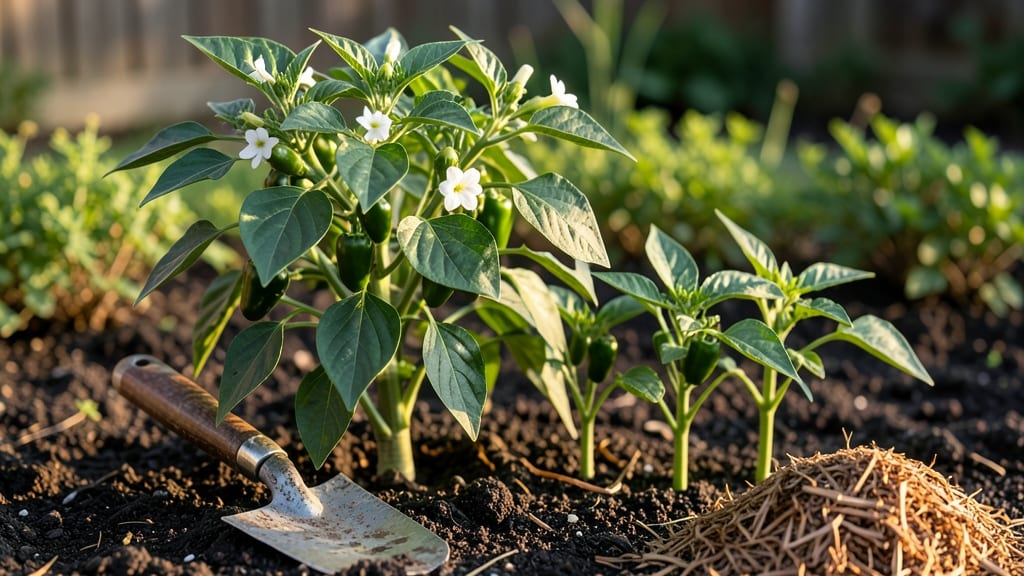
Planting peppers in New York requires timing them perfectly to avoid frost and maximize your summer harvest—and the wrong window can mean wilted seedlings or stunted plants.
New York’s unpredictable spring weather can turn your pepper plants into a gamble—unless you know the exact frost-free planting windows for your zone. Get the timing right, and you’ll enjoy a bumper crop of juicy bell peppers, spicy jalapeños, or fiery habaneros this summer.
Upstate gardens in zones 5-6 can start peppers outdoors around late May, while NYC’s warmer zone 7 often sees safe planting by early May. But soil temperature matters more than the calendar—peppers need 60°F+ to thrive, and a cold snap can undo weeks of progress.
In this guide, I’ll break down the best planting dates by region, how to extend your growing season with mulch and indoor starts, and the top varieties that handle New York’s short summers. Avoid these common mistakes, and you’ll be harvesting 🌶️ peppers until fall.
New York planting Zones & exact frost-free dates for peppers
New York spans USDA Hardiness Zones 5 through 8, creating wildly different planting conditions from the Adirondacks (Zone 5) to Long Island (Zone 8). Peppers are heat-lovers that need soil temperatures above 60°F (15°C) to thrive—so timing is everything.
Miss the window, and you’ll end up with stunted plants or no harvest at all.
Cornell Cooperative Extension and NOAA data show that last frost dates vary by 3+ weeks across the state. For example, Albany (Zone 6a) typically sees its last frost around May 15, while Buffalo (Zone 6b) averages May 22.
Meanwhile, New York City (Zone 7b) often hits May 10, and Long Island (Zone 8a) can be frost-free by April 25.
Here’s the critical rule: Wait until soil temperatures consistently stay above 60°F (15°C)—not just air temperatures. A soil thermometer is your best friend here. If you plant too early, your peppers will linger in the cold, stressing out and failing to produce fruit.
Use black plastic mulch to warm soil faster if you’re eager to get started.
🌱
| Zone | Last Frost Date (Avg.) | Ideal Planting Window | Soil Temp Requirement | Notes |
|---|---|---|---|---|
| Zone 5 (Adirondacks, Catskills) | May 25 - June 5 | June 10 - June 20 | 60°F+ (use mulch) | Start seeds indoors 8-10 weeks before last frost. |
| Zone 6 (Albany, Syracuse, Rochester) | May 10 - May 20 | May 25 - June 5 | 60°F+ (test with thermometer) | Transplant seedlings after soil warms; use row covers for early starts. |
| Zone 7 (NYC, Hudson Valley) | April 25 - May 10 | May 15 - May 25 | 60°F+ (urban areas warm faster) | Direct sow after last frost; succession plant every 2 weeks. |
| Zone 8 (Long Island, Lower Hudson) | April 10 - April 20 | April 25 - May 10 | 60°F+ (earliest in NY) | Plant heat-tolerant varieties like 'Jupiter' or 'Carolina Wonder'. |
To pinpoint your exact planting window, check the NOAA Climate Data for your county or use Cornell’s NY Garden Planner. These tools provide hyper-local frost dates based on your specific microclimate.
For example, a valley location in Zone 6 might warm up 2 weeks earlier than a hilltop garden in the same zone.
If you’re unsure about your zone, enter your ZIP code here to generate a custom heat map. Look for areas marked in red or orange, which indicate soil temperatures above 60°F.
These are your sweet spots for pepper planting. Pro tip: South-facing garden beds warm up fastest, so prioritize them for your pepper patch.
For northern NY (Zones 5-6), consider starting seeds indoors 8-10 weeks before your last frost date. Use grow lights to keep seedlings strong until soil warms.
In Zones 7-8, you can often direct-sow seeds as early as mid-April, but always confirm with a soil thermometer—55°F soil is a no-go for peppers.
🌿
Don’t let late-spring frosts catch you off guard. Even in Zone 8, a random April frost can wipe out young plants. Use frost cloth or row covers for the first 2 weeks after transplanting.
And if you’re in Zone 5 or 6, wait until June 1 to plant outdoors—rushing leads to disappointment.
Once your peppers are in the ground, monitor soil moisture closely. Peppers need 1-2 inches of water per week, but overwatering causes blossom-end rot. Use drip irrigation to keep leaves dry and roots happy.
And here’s a bonus tip: Side-dress with compost every 3-4 weeks to fuel those spicy fruit factories.
☀️
Remember, peppers are finicky but rewarding. By matching your planting schedule to your exact zone and soil temperature, you’ll avoid the heartbreak of wilted seedlings and enjoy a bountiful harvest of peppers from July through October.
Now grab your thermometer, check that heat map, and get ready to grow!
How to extend your pepper growing season in New York’s short summers
New York’s short growing season can feel like a race against time for pepper lovers, but with the right strategies, you can stretch your harvest well into fall.
The key is starting early and creating ideal growing conditions to compensate for cooler temperatures. Peppers thrive in warmth—they won’t germinate well in cold soil—and New York’s unpredictable spring often delays planting.
By planning ahead, you can enjoy juicy bell peppers, spicy jalapeños, or fiery habaneros long after your neighbors have given up.
One of the most effective ways to extend your pepper season is by starting seeds indoors.
This gives your plants a head start and ensures they’re ready to hit the garden as soon as the soil warms. Fast-maturing varieties are your best bet, as they can go from seed to harvest in as little as 30-50 days.
Varieties like ‘Early California Wonder’ or ‘Jupiter’ are perfect for New York’s climate, delivering flavorful peppers without requiring a long, hot summer.
- 1 Start seeds indoors 6-8 weeks before your last frost date. Use seed trays with a heating mat to ensure germination in cool conditions.
- 2 Use black plastic mulch to warm soil and retain moisture. Lay it down 2-3 weeks before planting to raise soil temperatures by 10-15°F.
- 3 Choose fast-maturing varieties like ‘Early California Wonder’ (50 days) or ‘Jupiter’ (60 days). These thrive in shorter seasons and deliver harvests before fall frosts.
- 4 Plant in containers for mobility. Move pots to sunny spots or bring them indoors if frost threatens, extending your harvest by 2-4 weeks.
- 5 Use row covers in early spring to protect young plants from late frosts. Remove covers when flowers appear to prevent heat stress.
Another game-changer is black plastic mulch, which warms the soil and suppresses weeds. Lay it down a few weeks before planting to give the ground a head start. This method can raise soil temperatures by 10-15°F, creating the ideal conditions for pepper roots to thrive.
Pair this with fast-maturing varieties, and you’ll have peppers ready to harvest long before the first frost arrives.
If you’re worried about late-spring frosts, consider using row covers or even cold frames to protect your plants. These simple tools can buy you extra time and ensure your peppers aren’t nipped by unexpected cold snaps.
For even more flexibility, grow your peppers in containers. This way, you can move them to sunnier spots or bring them indoors if frost is forecasted, extending your harvest by 2-4 weeks.
Don’t forget to succession plant every 2-3 weeks after your initial planting. This ensures a steady supply of peppers throughout the season, even as older plants finish producing. With these strategies, you’ll turn New York’s short summers into a pepper lover’s paradise—no gamble required! 🌱