
Plants
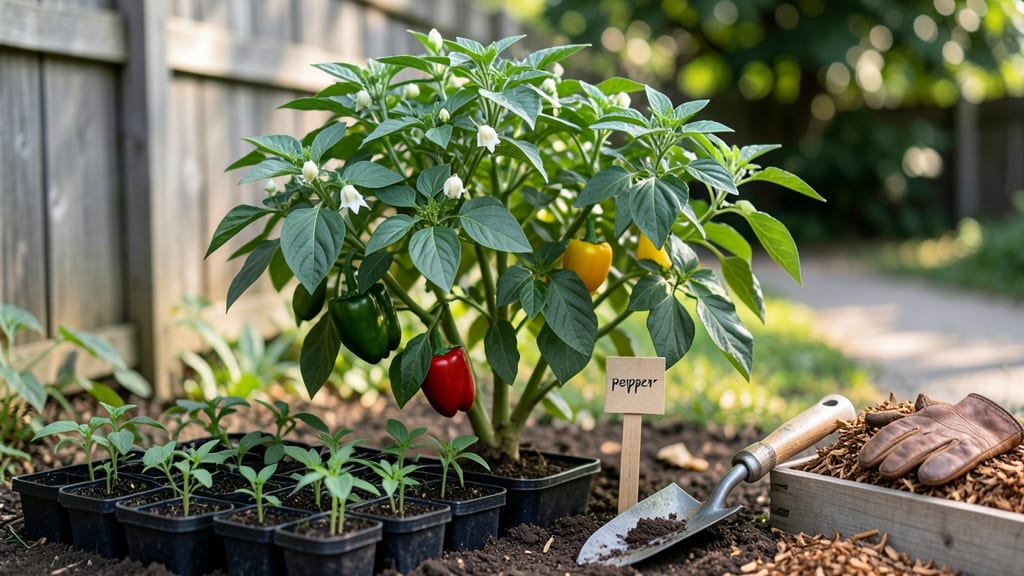
Planting peppers in Michigan after the last frost date — typically mid-April in most zones — is the key to avoiding chilly soil and stunted growth.
Michigan gardeners know timing is everything — plant peppers too early, and frost will ruin your dreams of homegrown salsa. Too late, and your harvest shrinks to nothing. Mastering the perfect planting window ensures juicy, productive 🌶️ peppers all season long.
In zones 5b-6b, soil temperatures must reach at least 60°F before transplanting seedlings outdoors. Starting seeds indoors 4-6 weeks before your last frost gives you a head start, while direct-sown peppers need warmer soil to thrive.
Below, I’ll break down the best planting dates by region, how to extend your growing season with row covers, and the fastest-maturing varieties for Michigan’s short summers.
Michigan pepper planting calendar: frost-free dates by USDA Zone
Michigan's diverse climate—spanning USDA Zones 4-6—means pepper planting times vary dramatically. In the Lower Peninsula (Zones 5b-6a), you can start peppers outdoors as early as late April to early May, while the Upper Peninsula (Zones 4a-5a) waits until mid-May to early June.
The key? Soil temperature must reach at least 60°F (15.5°C) for seeds to germinate, and 70°F (21°C) for healthy growth. Without this warmth, your peppers will languish or fail entirely.
Peppers are frost-sensitive, so timing is critical. A late frost in Zone 4 areas (like Marquette) can wipe out seedlings, while Zone 6 regions (like Detroit) may have a longer window.
Always check your local last frost date—typically May 15 in southern Michigan and June 1 in the UP—and wait 2 weeks after that date to plant outdoors. This buffer ensures your peppers aren’t caught off guard by unexpected cold snaps.
For seed starting indoors, begin 8-10 weeks before your last frost date. This means early March for Zone 6 and late March for Zone 5. Use grow lights or a sunny windowsill to give seedlings the 14+ hours of light they need daily.
Harden off seedlings 1 week before transplanting to acclimate them to outdoor conditions.
Regional microclimates add another layer of complexity. Lakeside areas (like Traverse City) may experience later frosts due to lake breezes, while urban heat islands (like Grand Rapids) can warm up faster.
Observe your garden’s unique patterns—note where frost lingers longest—and adjust your planting schedule accordingly. A frost-free tracker or local gardening group can provide invaluable insights.
| USDA Zone | Last Frost Date | Outdoor Planting Window | Soil Temp Requirement | Indoor Start Date | Notes |
|---|---|---|---|---|---|
| 4a (Upper Peninsula) | June 1 | Mid-May to early June | 70°F+ | Late March | Use row covers for extra warmth |
| 5a (Northern Lower Peninsula) | May 15 | Late April to early May | 65°F+ | Early March | Black plastic mulch helps warm soil |
| 5b (Central Michigan) | May 1 | Early to mid-April (with protection) | 60°F+ | Mid-February | Choose fast-maturing varieties |
| 6a (Southern Michigan) | April 15 | Late March to early April | 55°F+ | January | Longest growing season; try succession planting |
| 6b (Southwest Michigan) | April 1 | Early March to late March | 50°F+ | December (for early varieties) | Warmest zone; experiment with early starts |
If you’re in Zone 4 or 5, consider staggered planting to extend your harvest. Start a batch of seeds indoors in early March, transplant outdoors in late May, and follow up with another round in early June.
This technique ensures peppers mature at different times, giving you a steady supply from July through September. For Zone 6 gardeners, you can even squeeze in a second planting in early July for late-season peppers.
Don’t overlook soil preparation. Peppers thrive in well-draining, nutrient-rich soil with a pH of 6.0-6.8. Work in compost or aged manure 2-3 weeks before planting to improve fertility.
In cooler zones, use black plastic mulch to raise soil temperatures by 5-10°F, creating a microclimate that mimics warmer regions. This simple trick can mean the difference between germination success and failure.
For container gardening, choose compact varieties like ‘Shishito’ or ‘Jalapeño M’ and plant in 5-gallon pots filled with lightweight potting mix. Containers warm up faster than garden beds, so you can plant 1-2 weeks earlier than in-ground peppers.
How to extend your pepper growing season in Michigan’s short summers
Michigan’s short growing season can make pepper gardening challenging, but with the right strategies, you can enjoy a longer harvest of sweet bell peppers and spicy jalapeños. The key is to start early and protect your plants from late frosts and cool nights.
By combining indoor starting, season extension tools, and fast-maturing varieties, you can push your pepper season well into fall.
Peppers are heat-loving plants that thrive in warm soil and air temperatures. In Michigan, where average last frost dates range from mid-April to late May, you’ll need to give them a head start indoors or use protective measures to keep them growing.
The good news? With a little planning, you can enjoy peppers from July through October, even in cooler climates.
Another trick is to use containers with wheels for peppers. If frost threatens, simply move pots to a sunny garage or porch during cold nights. This works especially well for smaller varieties like ‘Shishito’ or ‘Cherry Peppers’, which thrive in containers and can be brought indoors when temperatures drop.
Don’t forget to harden off seedlings before transplanting outdoors. Gradually expose them to outdoor conditions over 7-10 days to prevent shock. Once planted, keep peppers well-watered and mulched with straw to retain moisture and warmth in the soil.
With these strategies, you can turn Michigan’s short summers into a pepper lover’s paradise. Whether you’re growing spicy jalapeños or sweet bell peppers, extending your season means more homegrown flavor on your table—no frost required! 🌱🌿