
Plants
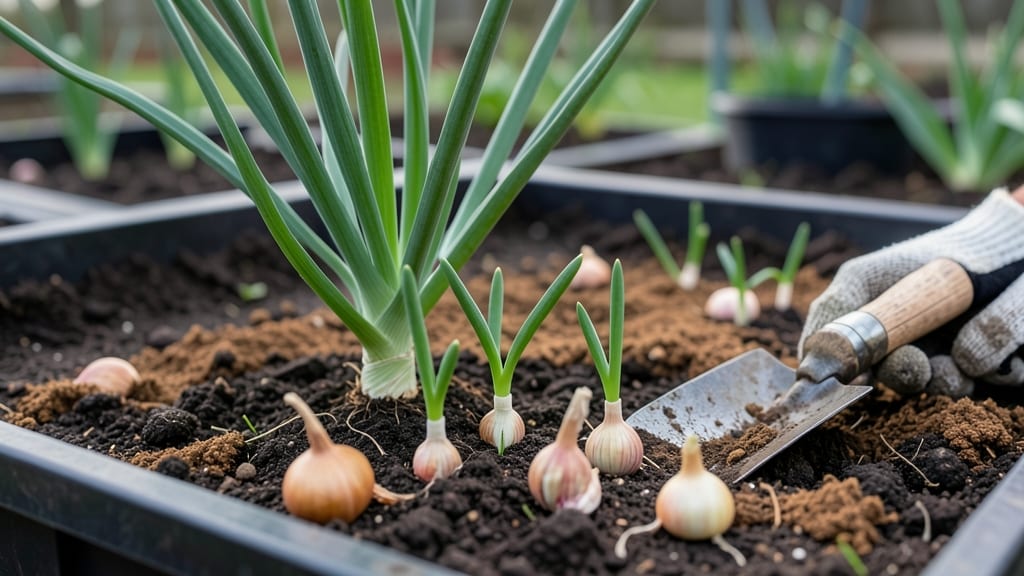
Plant onions in Louisiana between late summer and early fall or early spring to avoid bolting in the heat.
Louisiana’s humid climate and long growing season can be tricky for onion cultivation—but timing is everything for sweet, plump bulbs that thrive without bolting too early.
Miss the window, and you’ll end up with bitter, pungent onions or worse—nothing at all. The key is planting 4-6 weeks before the first frost for a fall crop or 2-3 months before the last frost for spring.
Here’s how to nail the timing, pick the right varieties, and keep your 🧅 growing strong in Louisiana’s heat and humidity.
Best planting months for onions in Louisiana: climate-specific guide
Louisiana’s humid subtropical climate creates unique challenges for growing onions, especially avoiding premature bolting during hot summers. The key to success lies in timing your plantings around temperature shifts and regional microclimates. New Orleans’ coastal influence differs from Shreveport’s inland heat—both require precise scheduling for bulb development.
Onions in Louisiana thrive in USDA Zones 8a-9b, where frost dates vary dramatically. Coastal areas like New Orleans (Zone 9a) have later frosts, while northern regions like Shreveport (Zone 8a) face earlier cold snaps.
Understanding these differences helps determine whether fall or spring planting will yield the best results for your specific location.
For fall planting, aim to sow seeds or sets 6-8 weeks before your first frost—typically August through early October in most of Louisiana. This gives bulbs time to mature before winter while avoiding the intense summer heat that triggers bolting.
Spring plantings should occur February to early March, allowing bulbs to develop before summer’s peak temperatures arrive.
Here’s how Louisiana’s microclimates affect planting windows:
The short-day onion varieties (like 'Candy') are ideal for Louisiana’s fall plantings because they require fewer daylight hours to bulb properly. These varieties thrive when planted in late summer, taking advantage of shortening days before winter.
For spring plantings, day-neutral or long-day onions (such as 'Texas Early White') perform best, as they tolerate Louisiana’s longer daylight periods without bolting prematurely.
Soil temperature plays a critical role in onion germination. Seeds need soil temps between 55-70°F to sprout consistently. In Louisiana’s heat, fall plantings benefit from cooler soil after summer’s peak, while spring plantings should wait until soil warms sufficiently—usually after mid-February in most regions.
Use a soil thermometer to verify conditions before planting.
Regional humidity also affects onion growth. Coastal areas like New Orleans experience higher moisture levels, increasing the risk of fungal diseases like downy mildew. To combat this, plant in raised beds with excellent drainage and avoid overhead watering.
Inland areas like Shreveport face less humidity but more intense heat, making shade cloth essential during summer months to prevent bolting.
For fall-harvested onions, aim to plant by September 1st in most of Louisiana. This timing allows bulbs to mature before winter sets in, typically yielding harvests in late April to May.
Spring plantings should be completed by March 15th for summer harvests, though late plantings may produce smaller bulbs due to heat stress.
Pro tip: Mulch heavily around onion plants after germination to maintain even soil moisture and suppress weeds. Use straw or pine needles, keeping them 2-3 inches away from the stems to prevent rot.
This technique is especially valuable in Louisiana’s hot, humid summers where moisture fluctuations can stress onion plants.
Remember, Louisiana’s microclimates mean your neighbor’s success might not match your own. Monitor local weather patterns, adjust planting dates as needed, and choose onion varieties that align with your specific USDA zone.
With the right timing and care, you’ll enjoy homegrown onions that rival store-bought in flavor—and none of the chemical treatments found in commercial bulbs!
How to adjust onion planting for Louisiana’s heat and humidity
Louisiana’s sweltering summers and high humidity create unique challenges for growing onions. Without adjustments, your plants may bolt prematurely or succumb to fungal diseases like downy mildew.
The key is to extend the growing season, manage moisture, and choose the right varieties that tolerate heat better than standard types.
Start by selecting short-day onion varieties—these are bred to mature in Louisiana’s climate. Varieties like ‘Candy’ or ‘Texas Early White’ handle heat better than long-day onions, which typically struggle in our USDA Zones 8a-9b.
Pair this with shade strategies and mulching techniques to keep soil temperatures stable and reduce stress on your plants.
⚠️ callout-warning ⚠️
Louisiana’s summer temperatures (often exceeding 90°F) can cause onions to bolt immediately. Plant spring onions in February-March and fall onions in August-September—never in May-July. For transplants, use shade cloth (30-50%) during the hottest months to delay bolting.
Use drip irrigation instead of overhead watering to prevent fungal spores from splashing onto leaves. Water early in the morning to allow foliage to dry quickly, reducing the risk of downy mildew and botrytis.
Keep soil consistently moist but not soggy, as onions are sensitive to both drought stress and waterlogging. A 2-3 inch layer of straw mulch helps retain moisture and regulates soil temperature.
For extended growing seasons, consider seasonal succession planting. Start a spring crop in February, a fall crop in August, and even a winter crop under row covers if temperatures dip below 40°F.
Use black plastic mulch in summer to raise soil temperatures slightly, which can help short-day onions mature faster. Just remember to remove it before harvest time to avoid soil contamination.
Monitor your onions for signs of stress, like yellowing leaves or stunted growth, which may indicate heat stress or nutrient deficiencies. A balanced fertilizer (10-10-10) applied lightly every 4-6 weeks supports healthy growth.
If you notice purple hues on leaves, it’s a sign of phosphorus deficiency—add bone meal to the soil to correct it.
Finally, harvest onions promptly once tops yellow and fall over. Leave them in the soil for 1-2 weeks after yellowing to develop a thicker neck, but don’t wait too long or they’ll split or rot in Louisiana’s humidity.
Cure harvested onions in a dry, shaded area for 2-3 weeks before storing. With these adjustments, you’ll enjoy plump, flavorful onions all year long!