
Vegetables
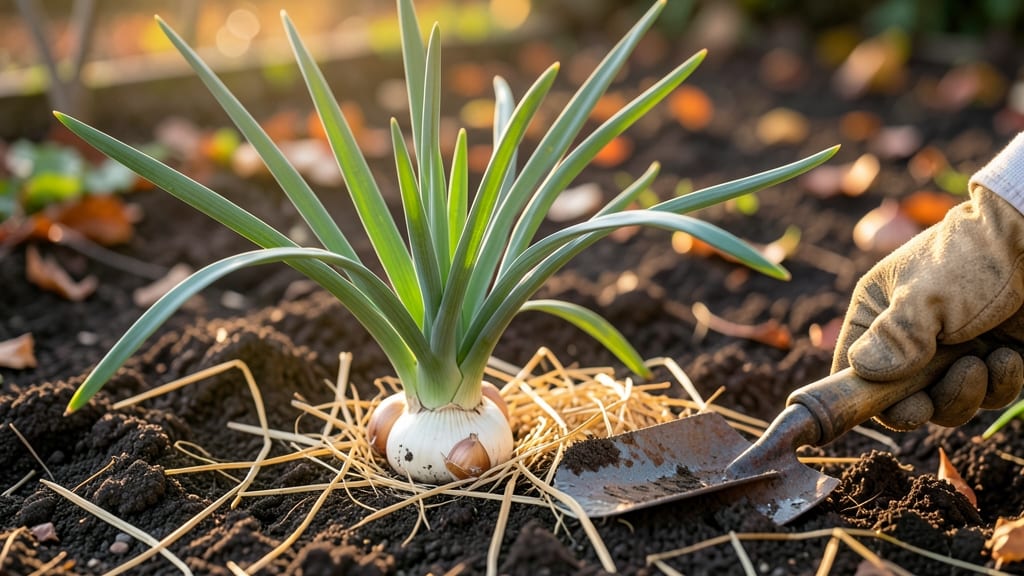
Plant garlic in Oregon between October and November for the best bulbs—this fall window ensures strong roots before winter dormancy, and it’s the secret to avoiding weak or moldy harvests.
Oregon’s mild winters and diverse microclimates make it a garlic gardener’s paradise—but planting at the wrong time can mean weak bulbs or total failure. Timing matters more than you think, especially when choosing between hardneck and softneck varieties.
Hardneck garlic thrives in Oregon’s 8a-9a zones, while softneck prefers milder coastal areas. Miss the planting window, and you risk stunted growth or even rot from Oregon’s wet winters.
In this guide, I’ll break down the exact months to plant, how to prep your soil for Oregon’s climate, and the one mistake that ruins more garlic crops here than anywhere else.
Best planting months for garlic in Oregon by variety
Oregon’s diverse microclimates create ideal conditions for growing garlic, but the timing depends heavily on whether you’re planting hardneck or softneck varieties. Hardnecks thrive in Oregon’s colder inland regions, while softnecks prefer milder coastal areas. Getting the timing right ensures robust bulbs and avoids weak growth or rot.
Most Oregon gardeners plant garlic between mid-October and November, but coastal areas like Astoria or Brookings can extend planting into early December. Inland areas like Bend or La Grande should plant by late October to avoid winter freezes.
The key is planting 4-6 weeks before ground freezes—typically when soil temps drop to 40-50°F.
Hardneck garlic (like German White or Rocambole) needs cold stratification to form bulbs, making fall planting critical. Softneck varieties (such as Silverskin or Artichoke) are more flexible but still benefit from early fall planting. Both types require well-draining soil and full sun to thrive.
Here’s how Oregon’s USDA zones 7-9 break down for planting:
| Variety Type | Best Planting Window | Coastal Adjustment | Inland Adjustment | Deadline (Zone 8) |
|---|---|---|---|---|
| Hardneck | Mid-October to November 15 | Extend to December 1 | Plant by October 31 | November 15 |
| Softneck | Late September to November 1 | Extend to December 10 | Plant by October 15 | November 1 |
| Organic Seed Garlic | October 1 to November 10 | Extend to November 20 | Plant by October 20 | November 10 |
For coastal Oregon (zones 8-9), milder winters mean you can plant later. Areas like Portland or Eugene often see fewer than 20 frost-free days in winter, so garlic planted in early December can still thrive.
In contrast, high-desert regions (like Bend or Prineville) experience colder snaps, requiring earlier planting by late September.
Soil temperature is your best guide—wait until it drops to 40-50°F before planting. Use a soil thermometer to monitor conditions. In Zone 7 areas (e.g., The Dalles), plant by October 15 to avoid winter freezes.
In Zone 9 coastal areas (e.g., Medford), you can push planting to early December.
One common mistake is planting too early, which can lead to premature sprouting and weak bulbs. Conversely, planting too late risks frost damage before roots establish. Aim for 6-8 weeks before first frost—check your local Oregon State University Extension frost dates for precision.
Hardneck varieties like Chesnok Red or Music need 40-60 days of cold to form bulbs, so inland gardeners should prioritize early planting. Softnecks like California Early are more forgiving but still benefit from cool fall temperatures. Mulch with straw or leaves after planting to insulate bulbs during winter.
Harvest timing varies slightly by variety but typically falls between late June and July. Hardnecks mature first, followed by softnecks. Watch for lower leaves turning brown and bulbs forming—this signals it’s time to dig. In coastal areas, harvest may stretch into early August due to milder summers.
Pro tip: Mark your planting dates with garden stakes or a journal to track progress. Oregon’s variable weather means adjustments year to year, but consistency in timing leads to bigger, healthier bulbs every season. 🧄
How to adjust your planting schedule for Oregon’s unique climate zones
Oregon’s climate varies dramatically from the coastal regions to the high desert, with the Willamette Valley sitting right in between. These differences mean your garlic planting schedule should shift based on where you live.
For example, coastal areas like Astoria can plant later than Bend in the high desert. Understanding your microclimate is key to avoiding weak bulbs or failed crops.
First, check your last frost date. Coastal Oregon typically sees frost by mid-November, while inland areas like the Columbia Gorge can freeze as early as late October.
High desert regions often experience frost by mid-October. Planting garlic 4-6 weeks before your first frost ensures roots establish before winter sets in.
- 🌱 Coastal Oregon (e.g., Portland, Astoria): Plant mid-October to November 1st. Softer winters mean you can push the deadline slightly later.
- 🌿 Willamette Valley (e.g., Eugene, Salem): Aim for late September to October 15th. Moderate frost risk requires earlier planting.
- ❄️ High Desert (e.g., Bend, La Pine): Plant by September 15th to avoid early frosts. Soil temps drop faster here.
Soil temperature is another critical factor. Garlic cloves need soil temps below 50°F (10°C) for about 6-8 weeks to form bulbs properly. Use a soil thermometer to monitor—ideal temps for planting are 40-50°F (4-10°C).
In the Willamette Valley, this usually aligns with late September, while coastal areas may wait until early October.
Adjust for rainfall patterns too. Coastal Oregon’s wet winters mean garlic thrives with consistent moisture, but high desert areas need well-draining soil to prevent rot.
Amend your soil with compost or sand if needed, and consider raised beds in waterlogged spots. Mulching with straw helps retain moisture in drier regions.
Don’t forget to choose the right garlic variety. Hardneck garlic (like ‘German White’) thrives in Oregon’s cooler climates and produces scape stems for extra harvests. Softneck varieties (like ‘Artichoke’) store longer but need slightly warmer winters.
Coastal gardeners can experiment with both, while high desert growers should stick to hardnecks.
Finally, mark your calendar for harvest time, which typically falls in late June to July. Coastal garlic may mature slightly later due to milder springs, while high desert garlic often ripens a few weeks earlier.
Watch for lower leaves turning brown—this is your cue to dig! Adjust your planting schedule now, and you’ll enjoy plump, flavorful garlic bulbs all season long. 🧄