
Vegetables
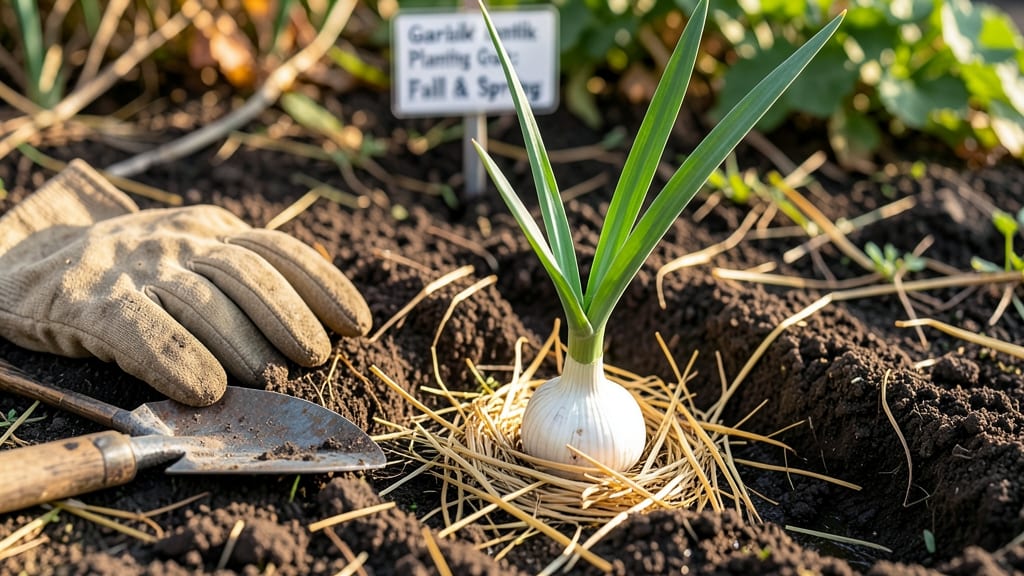
Planting garlic in Massachusetts between mid-October and early November sets you up for plump bulbs and bold flavor—timing that avoids winter’s freeze while giving roots time to establish.
Miss that window, and you’ll end up with small, weak cloves that struggle to mature. But get it right, and you’ll harvest hardneck varieties like German White or Music next summer, their papery skins crackling with New England’s crispness.
Here’s the frost-date math for zones 5b-6b: aim for soil temps between 40°F and 50°F, which in most of Massachusetts means late October. Too early, and the cloves rot; too late, and the cold stunts growth.
Below, I break down the exact planting window, soil prep secrets, and how to adjust for early freezes—so you can grow garlic that rivals the best at farmers’ markets.
Massachusetts frost-date planting window for hardneck garlic success
Understanding Massachusetts' frost-date window is the secret to growing hardneck garlic with large bulbs and bold flavor. Unlike spring planting, fall planting leverages winter's chill to trigger bulb formation.
In USDA zones 5b-6b, this means planting between mid-October and early November, when soil temps hover between 40°F and 50°F—ideal for root establishment before dormancy.
Massachusetts' first hard frost typically arrives in mid-October, but your planting window starts 4-6 weeks earlier. This timing ensures garlic cloves establish roots before the ground freezes solid.
If you plant too late, your crop may not develop properly, while planting too early can lead to premature sprouting or rot from excess moisture.
| Planting Factor | Massachusetts Specification | Key Notes |
|---|---|---|
| Ideal Planting Window | Mid-October to early November | 4-6 weeks before first hard frost |
| Soil Temperature Threshold | 40°F - 50°F | Cooler temps prevent premature sprouting |
| USDA Zone Adjustments | 5b-6b (Western MA: 5b, Eastern MA: 6b) | Earlier frost in higher elevations (e.g., Berkshires) |
| Ground Freeze Timing | Late November to January | Garlic enters dormancy but roots stay alive |
| Bulb Formation Trigger | 10-12 weeks of cold temps below 50°F | Critical for hardneck garlic bulb development |
| Late Planting Risk | Small bulbs or no harvest | Avoid planting after November 15 |
Massachusetts' microclimates create variations in frost dates. For example, Boston (Zone 6b) typically has a later frost than North Adams (Zone 5b). Use a frost calendar from your local Cooperative Extension Service to pinpoint your exact window.
Pro tip: Plant German White or Music varieties—they thrive in our cold winters and produce large, flavorful bulbs.
Soil temperature is just as critical as air temperature. Use a soil thermometer to confirm your garden bed is between 40°F and 50°F before planting. If temps are too warm, cloves may sprout too early and rot.
Conversely, if soil is too cold, roots won’t establish properly. Aim for consistent moisture but well-draining soil to prevent waterlogged conditions that invite rot.
Adjust your planting date based on elevation. Higher elevations (like the Berkshires) freeze earlier, so plant by late September to avoid missed windows. Coastal areas (like Cape Cod) may have slightly later frosts, giving you until mid-November.
Always account for 3-4 weeks of buffer time before the first expected frost.
Hardneck garlic needs 10-12 weeks of cold temperatures below 50°F to form bulbs properly. This chilling period is non-negotiable for hardneck varieties. If you’re in a warmer microclimate (like Nantucket), consider using row covers to extend the cold period or plant in shadier spots that cool down faster.
One common mistake is planting garlic too deep. Bury cloves 2 inches deep with the pointy end up. Deeper planting can lead to smaller bulbs, while shallow planting exposes cloves to frost heave (when soil freezes and thaws, pushing plants out).
Mulch with straw or leaves after planting to insulate the soil and protect cloves from temperature fluctuations.
Monitor your garlic through winter. If you notice green shoots in late winter, they’re harmless—just a sign the plant is waking up. However, if you see mold or rot, adjust your watering practices or improve drainage.
Spring rains can turn your garden into a soggy mess, so ensure your soil has good aeration.
By mastering Massachusetts' frost-date window, you’ll grow hardneck garlic with bold flavor and large bulbs that outshine store-bought varieties. The key is patience—let winter do the work while you prepare your soil and protect your cloves.
With this timing down, you’re on your way to a bountiful harvest next summer. 🌱
Hardneck vs. softneck garlic: why Massachusetts gardeners prefer hardneck varieties
Massachusetts gardeners know that hardneck garlic isn’t just another crop—it’s a winter-hardy powerhouse that thrives in our USDA zones 5b-6b. The cold winters here actually improve bulb quality, making hardnecks like 'German White' and 'Music' the top choice.
Unlike softnecks, which store better but lack that bold, complex flavor, hardnecks deliver larger cloves and more robust scapes—perfect for braiding or selling at farmers' markets.
One key reason hardnecks dominate is their planting timing flexibility. While softnecks can sometimes be planted in early spring, hardnecks demand fall planting (October-November) to take full advantage of our cold winters.
This timing forces the bulbs to mature slowly, creating those prized plump, flavorful cloves Massachusetts gardeners love. Softnecks, on the other hand, rush to maturity in warmer climates, sacrificing size and depth of flavor.
Hardneck Garlic
- ✅ Cold-hardy to -20°F
- ✅ Larger bulbs (8-12 cloves)
- ✅ Bold flavor and scape production
- ✅ Fall planting (Oct-Nov) required
Softneck Garlic
- ❌ Less cold-tolerant (-10°F max)
- ❌ Smaller bulbs (6-10 cloves)
- ❌ Milder flavor, fewer scapes
- ❌ Spring planting possible but risky in MA
For Massachusetts gardeners, the climate adaptability of hardnecks is a game-changer. Our long, cold winters actually enhance bulb development, while softnecks struggle to establish roots before the ground freezes.
Top hardneck varieties like 'German White' and 'Music' are MA-tested favorites because they recover quickly in spring and produce consistently large bulbs. Softnecks, meanwhile, often bolt prematurely or produce smaller yields in our climate.
Another advantage? Hardnecks produce edible scapes—those curly green stems that appear in late spring. These aren’t just a bonus; they’re a harvestable crop that can be sold or used in cooking. Softnecks rarely produce scapes, making hardnecks the more versatile choice for home gardeners and market growers alike.
Plus, hardneck scapes are rich in nutrients and add a garlicky punch to stir-fries or pesto.
If you’re planting garlic in Massachusetts this fall, stick with hardnecks. Their superior bulb size, bold flavor, and climate resilience make them the clear winner for our region.
For softnecks, you’d need to plant in spring—but even then, you’ll miss out on the full potential that hardnecks unlock with our cold winters. Try 'German White' or 'Music' for the best results!
Pro tip: Break apart hardneck bulbs into individual cloves and plant them pointy-end up, 2 inches deep in well-draining soil. Mulch heavily with straw or leaves to protect them through winter.
By July-August, you’ll have plump, flavorful bulbs ready for harvest—far superior to anything softneck garlic can offer in our climate. 🌱