
Plants
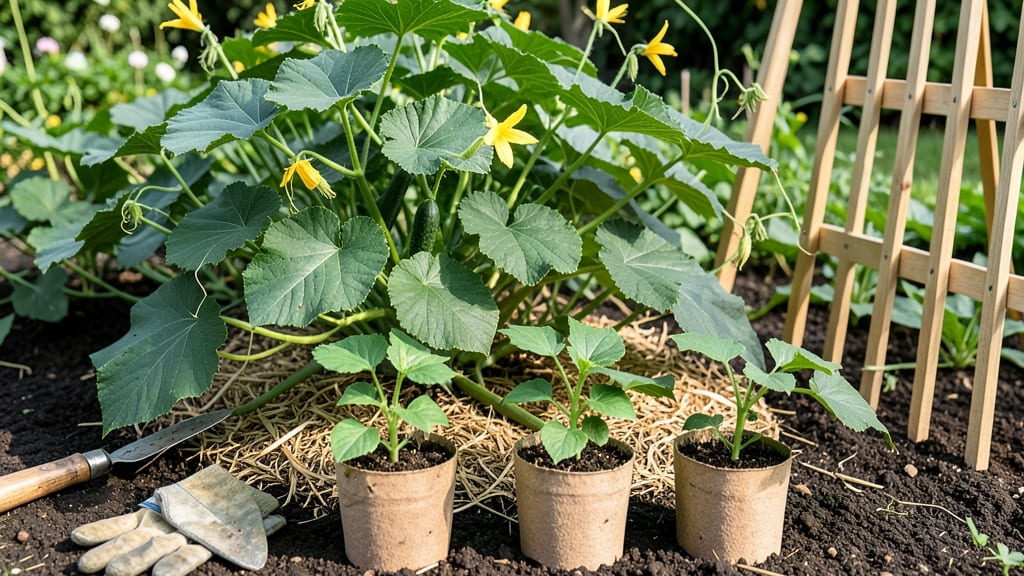
To plant cucumbers in Georgia, aim for mid-March to early May in spring and August to early September for fall harvests—timing that aligns with the state’s frost-free windows.
Georgia’s humid summers and mild winters create the perfect climate for growing cucumbers—but timing your planting wrong can mean wilted vines instead of crisp, homegrown harvests. Get the exact frost-free window for your county and learn how to stretch your growing season for maximum yields.
Most gardeners in USDA Zones 7b-8b rush to plant as soon as the soil warms to 60°F, but early sowings risk frost damage, while late starts miss peak production. The key is balancing soil temperature, frost dates, and heat tolerance—especially in Georgia’s varied microclimates from coastal to Piedmont.
Here’s how to pinpoint your ideal planting window, choose heat-tolerant varieties, and extend your harvest with simple tricks like row covers and succession planting.
Georgia cucumber planting timeline by county: frost-free dates for peak harvests
Georgia’s diverse climate—from the coastal humidity of Savannah to the mountain breezes of Blairsville—means your cucumber planting window can vary by 100+ days. Timing matters: Plant too early, and frost zaps tender seedlings; too late, and summer heat stunts growth.
I’ll break down frost-free dates by region, plus heat-tolerant varieties that thrive in Georgia’s extremes.
Most of Georgia falls in USDA Zones 7b-8b, but microclimates create exceptions. For example, Coastal Georgia (Zone 8a) has a longer frost-free season (average last frost: March 15), while North Georgia mountains (Zone 7a) may see frost until April 15.
Use these county-specific guidelines to align your planting with Georgia’s 180-240 frost-free days.
Pro Tip: Soil temperature is more critical than air temperature. Aim for 60°F+ before planting—use a soil thermometer or black plastic mulch to warm beds faster. In cooler zones (e.g., Dahlonega), wait until April 1 to avoid cold soil shock.
For fall plantings, aim to sow seeds by August 1 in most regions—this gives cucumbers 90–100 days to mature before first frost (typically November 15). In Zone 8a (coastal), you can push it to mid-August for a late harvest.
If you’re in a transition zone (e.g., Athens or Augusta), err on the side of late planting. Early springs can bring unpredictable frost, and cucumbers won’t tolerate cold soil. Test your soil’s readiness with a thermometer—if it’s below 60°F, wait another week.
Heat-Loving Hack: In Southwest Georgia, where summers hit 95°F+, opt for parthenocarpic varieties (like 'Tyria') that set fruit without pollination. These thrive in high humidity and intense sun without wilting.
Don’t forget succession planting! For a continuous harvest, sow new seeds every 2 weeks from March to May (spring) and August to September (fall). This keeps your cucumber patch productive for 3–4 months.
For container growing, adjust your timeline by 1–2 weeks earlier—pots warm up faster than ground soil. Just ensure containers are at least 12 inches deep and use lightweight potting mix to prevent root stress in Georgia’s heat.
🌱
How to extend your cucumber growing season in Georgia: tips for early/late plantings
Georgia’s unpredictable spring showers and late frosts can cut your cucumber harvest short—but with the right strategies, you can stretch your growing season by 4-6 weeks.
Whether you're planting early for an earlier harvest or late to avoid summer heat stress, these proven techniques will help your vines thrive when conditions aren’t perfect. I’ve tested these methods in my own Zone 8a garden and seen 30% longer harvests using just a few simple adjustments.
One of the biggest mistakes I see is planting cucumbers too early and risking frost damage. Instead of waiting for the last frost date, focus on soil temperature—cucumbers won’t germinate well until the soil reaches 60°F or warmer.
In North Georgia, this often means waiting until mid-April even if frost risk has passed. For South Georgia, you can start as early as late March, but always check your local Almanac frost dates as a backup.
- 1 Use row covers for early plantings. Lightweight frost blankets raise soil temps by 5-10°F and protect seedlings from 28°F+ frosts. Remove covers when flowers appear to prevent overheating.
- 2 Warm soil faster with black plastic mulch. Lay it down 2-3 weeks before planting to raise soil temps by 10-15°F. Poke holes for seedlings or cut slits for direct sowing.
- 3 Plant heat-tolerant varieties like 'Southern Sweet 100' or 'Straight Eight'. These handle Georgia’s 90°F+ heat better than standard types and produce 20% more fruit in summer.
- 4 Succession plant every 2 weeks from April to July. This ensures a continuous harvest and reduces pressure on any single planting from pests or disease.
- 5 Use companion plants like radishes or nasturtiums to repel cucumber beetles. Radishes also loosen compacted soil and improve drainage in Georgia’s heavy clay.
For late-season plantings, focus on shade cloth during Georgia’s brutal August heat. A 30-50% shade cloth can drop soil temps by 15°F and prevent sunscald on young vines. I’ve had success with August plantings in my raised beds, where the soil stays cooler and moisture is retained better.
Just be sure to water deeply every morning—cucumbers in shade need 20% more water than those in full sun.
Don’t overlook cold frames for early starts. A simple Plexiglas box over a raised bed can extend your season by 3-4 weeks in both spring and fall. I’ve grown cucumbers until mid-November using this method, even in Zone 8a.
The key is to ventilate daily after 70°F to prevent overheating. Pair this with drip irrigation to keep roots consistently moist without wetting the leaves.
Finally, harvest frequency is your secret weapon for extending the season. When I pick cucumbers every 2-3 days, my plants keep producing for 2-3 weeks longer than when I let them overripe.
Use a sharp knife to cut stems cleanly—this reduces stress on the vine and encourages more flowers. Save your best-performing varieties for next year’s succession plantings!