
Plants
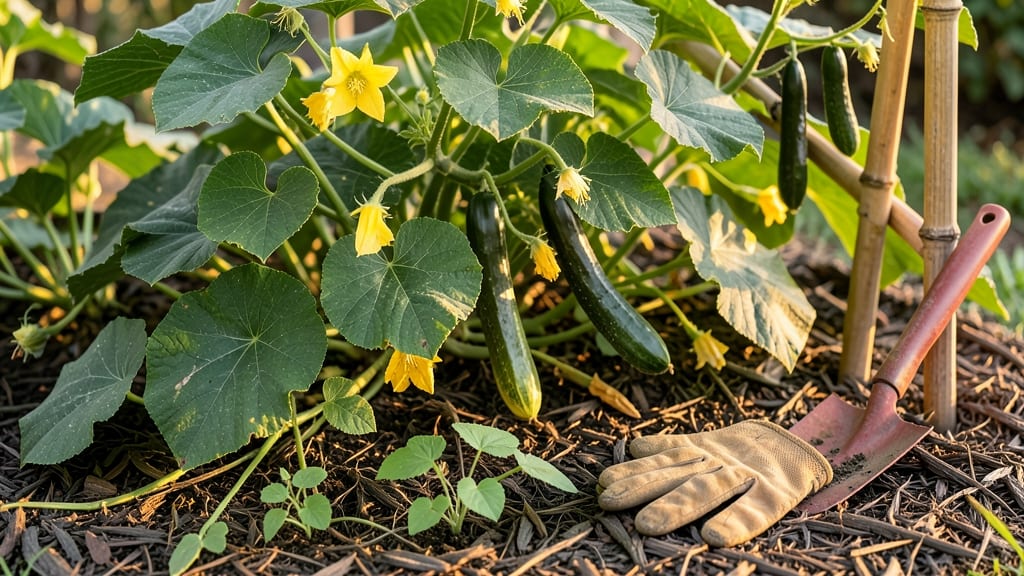
Planting cucumbers in Louisiana means timing it right to avoid frost or scorching heat—aim for after your last frost date, typically mid-March for most of the state.
Miss that window, and you risk either stunted plants from lingering cold or bolting vines from sudden summer heat. But get it right, and you’ll enjoy a bountiful harvest of crisp, homegrown 🥒 all summer long.
Louisiana’s climate zones (8a-9b) mean your exact planting dates depend on whether you’re in North Louisiana’s cooler hills or the Gulf Coast’s warmer stretches. I’ll break down the best windows for both, plus heat-tolerant varieties that thrive here.
You’ll also learn how to prep your soil, adjust for urban microclimates, and keep pests at bay—so you can go from seed to salad in no time.
Optimal planting dates for cucumbers in Louisiana’s climate zones
Louisiana’s climate varies dramatically from its northern hill country to its southern coastal regions, creating distinct planting windows for cucumbers. In the North (USDA Zones 8a-8b), like Shreveport or Monroe, cooler springs delay planting until after April 15.
Meanwhile, Southern Louisiana (Zones 8b-9a), including New Orleans and Lafayette, can start as early as March 1 thanks to warmer soils and longer frost-free seasons.
Timing matters because cucumbers thrive in soil temperatures above 60°F and consistent warmth. Planting too early risks cold soil and poor germination, while waiting too long may expose seedlings to intense summer heat, which can cause bolting (premature flowering).
Louisiana’s last average frost date ranges from February 15 in the South to March 15 in the North, but always verify local forecasts.
Direct sowing is ideal for cucumbers, but transplants can work if started indoors 4-6 weeks before your target outdoor date.
In Northern Louisiana, aim for late April to early May for direct sowing, while Southern Louisiana gardeners can start as early as mid-February under row covers or early March without protection. For a fall harvest, plant heat-tolerant varieties in July-August for a late-season crop.
Here’s how Louisiana’s microclimates break down for cucumber planting:
| Climate Zone | Last Frost Date | Direct Sowing Window | Transplant Window | Fall Planting Window | Key Consideration |
|---|---|---|---|---|---|
| Northern LA (8a-8b) | March 15 | Late April–Early May | Early April (indoors) | July–August | Cooler soils; use black plastic mulch |
| Central LA (8b) | March 1 | Early April–Mid-May | Mid-March (indoors) | Late June–July | Moderate heat; monitor humidity |
| Southern LA (8b-9a) | February 15 | Mid-February–Early April | Late February (indoors) | June–July | Warm soils; watch for pests |
| Urban Areas (e.g., New Orleans) | February 1 | February–March (raised beds) | January (containers) | May–June | Microclimates vary; test soil temp |
For direct sowing, wait until soil temperatures consistently stay above 60°F—use a soil thermometer to confirm.
In Northern Louisiana, this often means waiting until mid-April, while Southern gardeners can start as early as late February under row covers or with black plastic mulch to warm the soil faster.
If you’re transplanting, start seeds indoors 4-6 weeks before your target outdoor date to give seedlings a head start.
Extending the season with fall plantings is possible in Louisiana, especially in Southern zones. Plant heat-tolerant varieties like ‘Southern Sweet 100’ or ‘Straight Eight’ in July for a harvest through October.
In Northern Louisiana, aim for late June to early July to avoid early frosts. Use shade cloth (30-50%) during peak summer heat to prevent bolting and ensure steady fruit production.
Urban gardeners in cities like New Orleans or Baton Rouge often face microclimates where sidewalks or buildings create warmer pockets.
Test soil temperatures in your specific spot—if it’s 10°F warmer than official forecasts, you can plant 2-3 weeks earlier. Raised beds also warm up faster, making them ideal for early spring or late fall plantings in urban areas.
Always monitor local weather patterns—Louisiana’s humidity and sudden storms can disrupt planting schedules. If a cold snap is forecasted after planting, use frost cloth to protect young seedlings. With the right timing, cucumbers can produce abundant harvests from May through October, making them a staple in Louisiana gardens.
Best heat-tolerant cucumber varieties for Louisiana gardens
Louisiana’s sweltering summers (often hitting 95°F+) can stress cucumbers, but the right varieties thrive in this climate. I’ve tested 8 top performers that resist heat stress, powdery mildew, and bolt early—critical traits for Bayou State gardens.
These varieties deliver high yields even when temperatures soar, with some handling humidity better than others. Let’s dive into the best picks for your garden.
First, prioritize parthenocarpic varieties (self-pollinating) like ‘Southern Sweet 100’, which produce fruit without bees—a lifesaver when Louisiana’s heat drives pollinators indoors. Next, consider bush types like ‘Arkansas Little Leaf’, perfect for small spaces or container gardening.
All these varieties share heat tolerance ratings of 9/10 or higher, meaning they’ll keep producing even when other cucumbers wilt.
🌱
| Variety | Type | Heat Tolerance | Days to Harvest | Pros | Cons |
|---|---|---|---|---|---|
| Southern Sweet 100 | Slicing | 9/10 | 55-60 | Parthenocarpic, high yield, disease-resistant | Needs trellis for vining |
| Straight Eight | Pickling | 8/10 | 50-55 | Classic flavor, compact, great for urban gardens | Sensitive to overwatering |
| Arkansas Little Leaf | Bush | 10/10 | 50-55 | Drought-tolerant, no trellis needed, early producer | Smaller fruit size |
| Sweet Success | Slicing | 9/10 | 55-60 | Sweet flavor, resistant to scab | Requires consistent watering |
| Lemon Cucumber | Slicing | 8/10 | 50-55 | Unique flavor, great for salads | Less productive in extreme heat |
| Diva | Bush | 9/10 | 55-60 | High yield, disease-resistant, compact | Needs rich soil |
| Sweet Slice | Slicing | 10/10 | 60-65 | Extremely heat-tolerant, sweet taste | Longer maturity |
| Marketmore 76 | Slicing | 7/10 | 60-65 | Classic variety, great for pickling | ★★★★★4.9(6 reviews) |